Hardscaping 101: Paths Patios and Retaining Walls
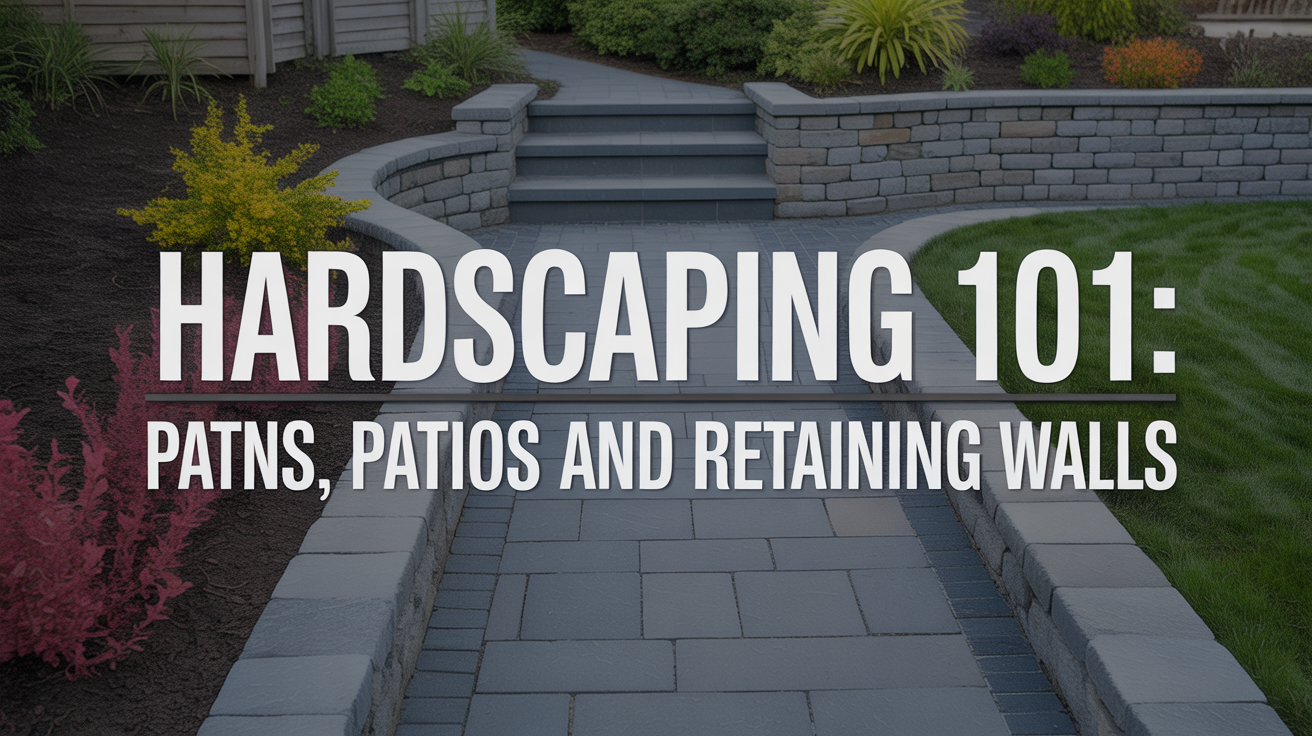
Hardscaping is the foundation of a well-designed outdoor space. Unlike plants and flowers which grow and change with the seasons, hardscaping elements provide structure and permanence. Paths patios and retaining walls are essential features that combine utility and beauty to elevate any yard or garden. With over 20 years of experience in outdoor design I have seen how the right hardscaping can transform ordinary landscapes into stunning functional spaces
1 Paths That Transform Your Yard
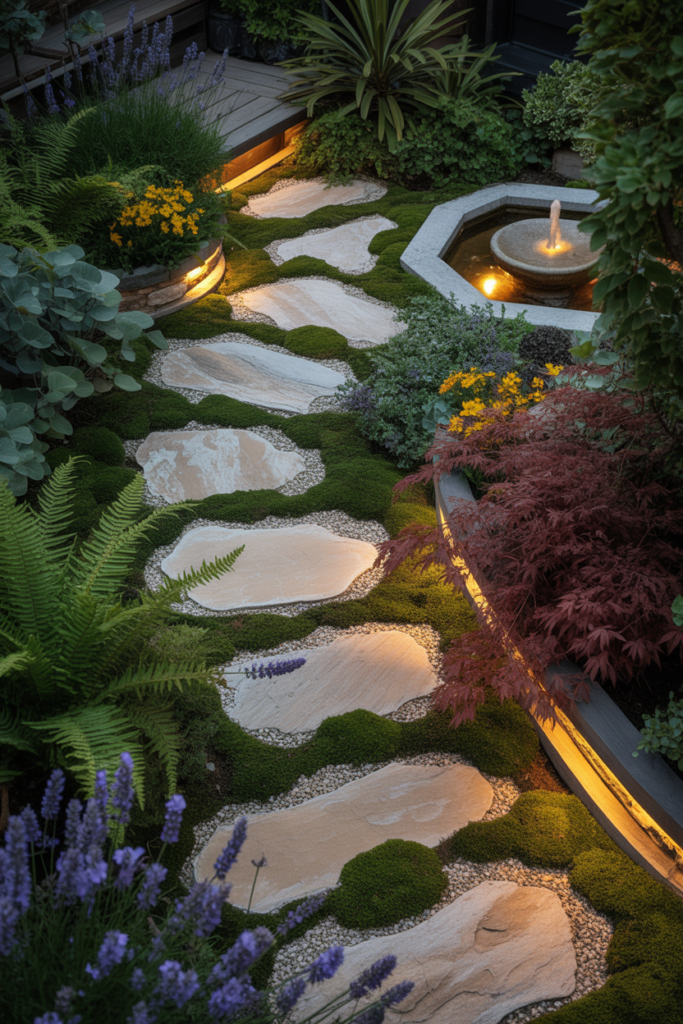
Paths are more than simple walkways. They guide movement define spaces and create visual interest. A well-planned path can lead visitors through a garden highlight special features and create a sense of flow. Materials for paths vary from natural stone to gravel and concrete each offering a different texture and feel. Stone paths give a classic timeless look while gravel paths offer a rustic informal charm
Designing a path begins with understanding how you want people to move through your space. A winding path can create a sense of exploration while straight paths convey formality and structure. Consider the scale of your yard and the placement of plants or water features along the way to enhance the overall experience. Proper base preparation ensures that paths remain stable and safe over time. A compacted base with edging prevents shifting and maintains the clean lines of your design
Lighting can add both safety and ambiance. Soft ground lights or lanterns placed along a path highlight textures and create a welcoming atmosphere. Maintenance is also important. Weed barriers and periodic cleaning keep paths looking fresh without sacrificing their natural charm. Every element from material choice to lighting contributes to making a path not just functional but a centerpiece in your outdoor space
2 Patios That Invite Relaxation
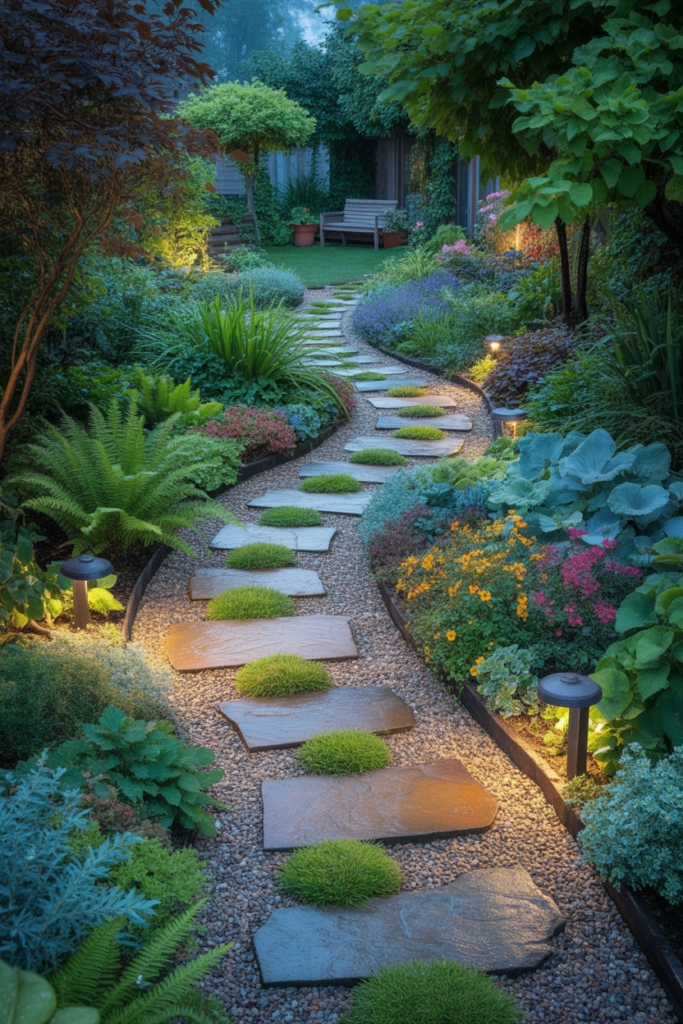
Patios are the heart of outdoor living providing a place for gathering dining or simply enjoying the environment. The choice of materials impacts the feel of your patio. Natural stone offers elegance while concrete gives versatility and durability. Wood decking can add warmth and comfort but requires more upkeep
Designing a patio begins with understanding its purpose. A dining patio needs enough space for tables and chairs while a lounging area may benefit from built-in seating and shaded areas. Shape and layout influence both function and flow. Curved patios feel organic and integrate with gardens while rectangular patios provide clear structure and define zones efficiently
Surface treatment adds personality. Textured stone or patterned pavers create visual interest and prevent slipping. Incorporating fire pits water features or outdoor kitchens elevates the patio from a simple floor area to a multifunctional entertainment hub. Landscaping around the patio enhances its appeal. Plants can soften edges provide privacy or create a natural backdrop for outdoor furniture
Proper drainage and base preparation are crucial to ensure longevity. A well-constructed patio remains level and resists cracking over years of use. Even small details like furniture arrangement and lighting impact comfort and aesthetics making the space inviting throughout the day and into the evening
3 Retaining Walls That Shape Your Landscape
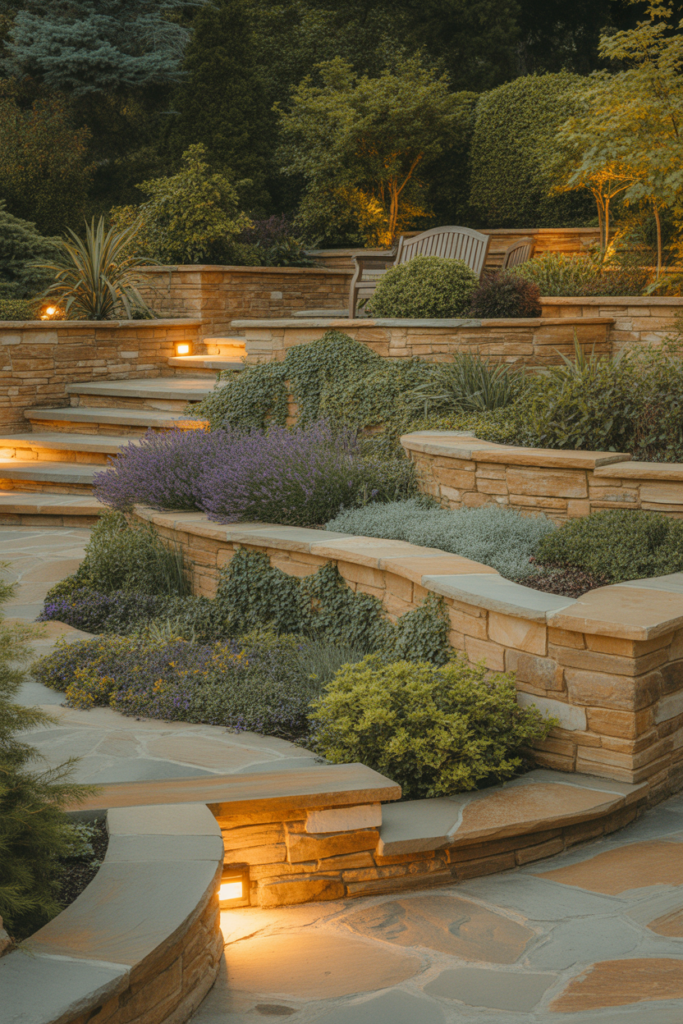
Retaining walls are both functional and decorative. They hold back soil prevent erosion and create level surfaces in sloped yards. Beyond functionality they add depth and dimension providing opportunities for planting terraces seating areas or pathways
Material selection is important. Natural stone conveys a timeless elegance while concrete blocks provide strength and consistency. Timber can create a warm organic feel but may require replacement over time. The scale of the wall must match the landscape to avoid overpowering the space. Taller walls require proper engineering and drainage systems to handle pressure and ensure safety
Retaining walls also create visual layering. By stepping walls you can add depth and interest creating pockets for plants or decorative features. Plantings along the top or front of walls soften hard edges and integrate them into the garden naturally. Lighting can highlight textures and provide safety along slopes or stairs
Maintenance is simple when walls are built with quality materials and proper drainage. Inspecting periodically for cracks or shifting prevents long-term damage. A well-designed retaining wall not only protects the landscape but enhances it adding structure beauty and opportunities for functional outdoor spaces
4 Combining Paths Patios and Retaining Walls
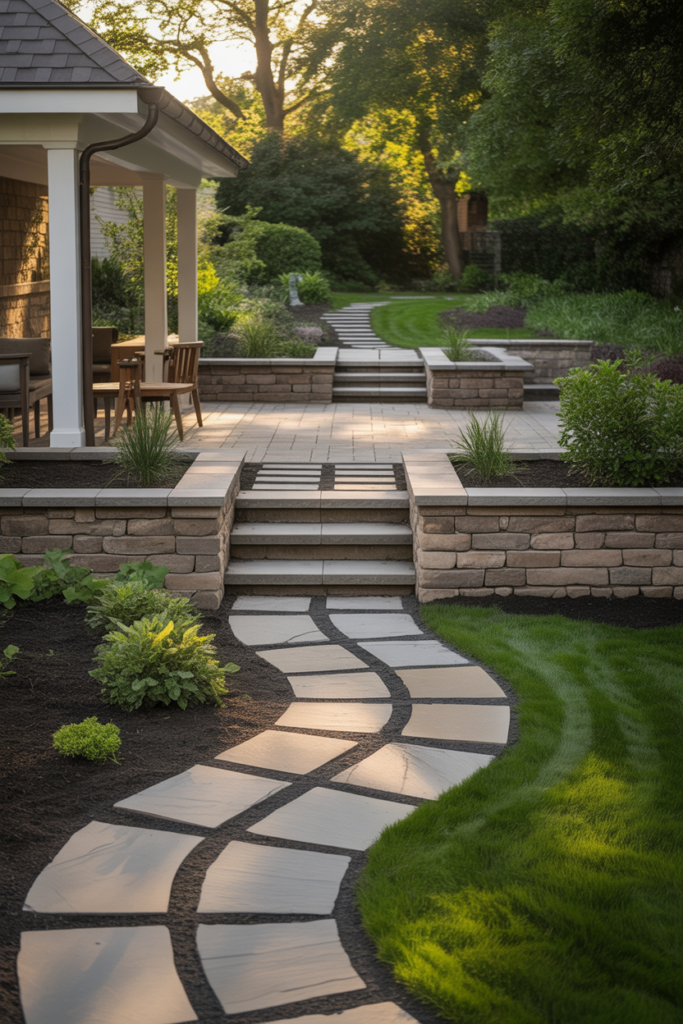
The true magic of hardscaping comes when paths patios and retaining walls work together. Paths can lead naturally to patios creating a welcoming journey. Retaining walls can frame paths or patios adding elegance and providing functional seating or planting spaces
Planning these elements as a cohesive system ensures balance and flow. Materials can be coordinated to create a unified look. For example stone used in a path can match a patio surface while retaining walls of similar texture tie the entire space together
Consider sight lines and focal points. A patio at the end of a winding path creates anticipation while walls guide the eye and provide backdrop for plants or sculptures. The integration of lighting ensures safety and enhances nighttime aesthetics making your yard enjoyable day and night
Combining these elements also supports practical needs. Retaining walls prevent erosion that could damage paths and patios. Proper grading ensures water flows away preventing puddles or erosion. Each element supports the others creating a resilient functional and beautiful landscape
5 Enhancing Hardscaping with Accessories
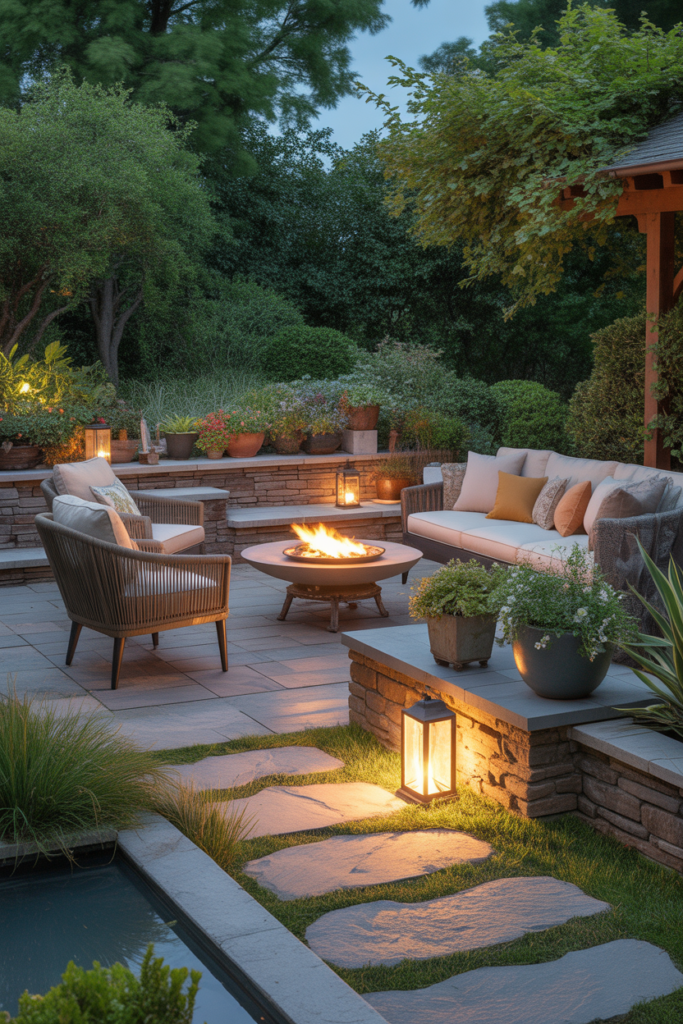
Hardscaping is the canvas and accessories bring it to life. Outdoor furniture fire features water elements and lighting all add comfort and visual interest. Choosing elements that complement materials and scale enhances the overall design rather than competing with it
Functional accessories like benches or built-in seating along retaining walls create gathering spaces. Planters integrated into walls or patios soften hard edges and provide seasonal interest. Outdoor lighting enhances both safety and ambiance highlighting textures and creating mood after sunset
Water features can be dramatic or subtle. A small fountain or pond along a path adds sound and movement making the space feel alive. Fire pits or built-in grills create social hubs on patios inviting friends and family to linger and enjoy
Every accessory should be carefully selected to support the overall vision. Balance scale and style with natural surroundings and architecture of the home for cohesive outdoor living
6 Materials and Maintenance Tips
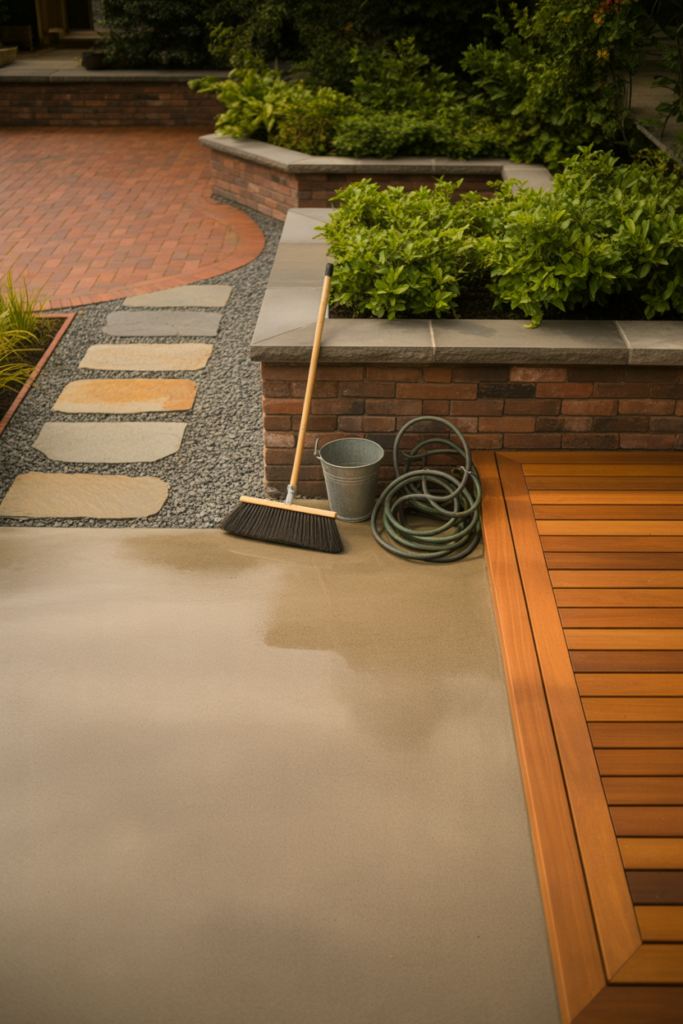
Materials define both appearance and longevity of paths patios and retaining walls. Stone brick concrete and timber each have advantages and considerations. Stone is durable and timeless but heavier and more expensive. Brick offers classic appeal and versatility. Concrete is affordable and versatile but may need sealing for protection. Timber is warm and natural but requires treatment to resist decay
Maintenance ensures hardscaping remains functional and attractive. Cleaning surfaces prevents buildup of dirt and moss. Sealing stone or concrete preserves appearance and resists weathering. Inspecting retaining walls ensures structural integrity over time. Simple maintenance routines extend lifespan and reduce long-term costs making hardscaping a wise investment
Consider environmental factors. Slopes drainage and local climate influence material choice and installation methods. Proper planning avoids common problems such as erosion cracking or uneven settling
7 Planning Your Hardscaping Project
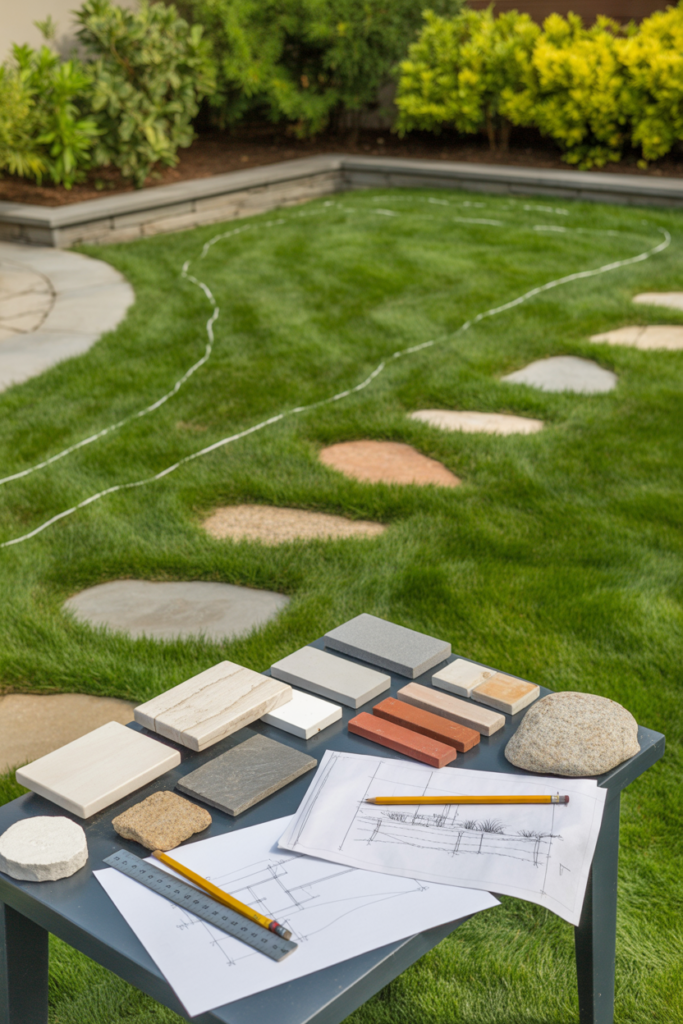
Successful hardscaping begins with planning. Understand your yard size slope and desired functionality. Determine how paths patios and retaining walls will interact to create cohesive design. Sketching layouts or using design software helps visualize flow and proportion
Consider the budget and long-term goals. Investing in quality materials and professional installation pays off with durability and beauty. DIY projects are possible for small elements but larger walls or patios often require expertise to ensure safety and performance
Timing and sequencing are important. Installing retaining walls before patios prevents damage and ensures proper grading. Paths can be laid to complement patio placement creating smooth transitions and logical connections throughout the yard
A well-planned project balances aesthetics functionality and maintenance creating outdoor spaces that are both beautiful and practical for years to come
Frequently Asked Questions
Final Thought
Paths patios and retaining walls are the backbone of a functional and beautiful yard. Thoughtful design careful material selection and proper maintenance create outdoor spaces that invite relaxation and enhance daily living. By integrating these elements with accessories lighting and landscaping you can create cohesive environments that are both practical and stunning. Hardscaping is an investment in beauty and function that stands the test of time providing enjoyment and value for decades