15+ Creative Concrete Basement Wall Painting Ideas
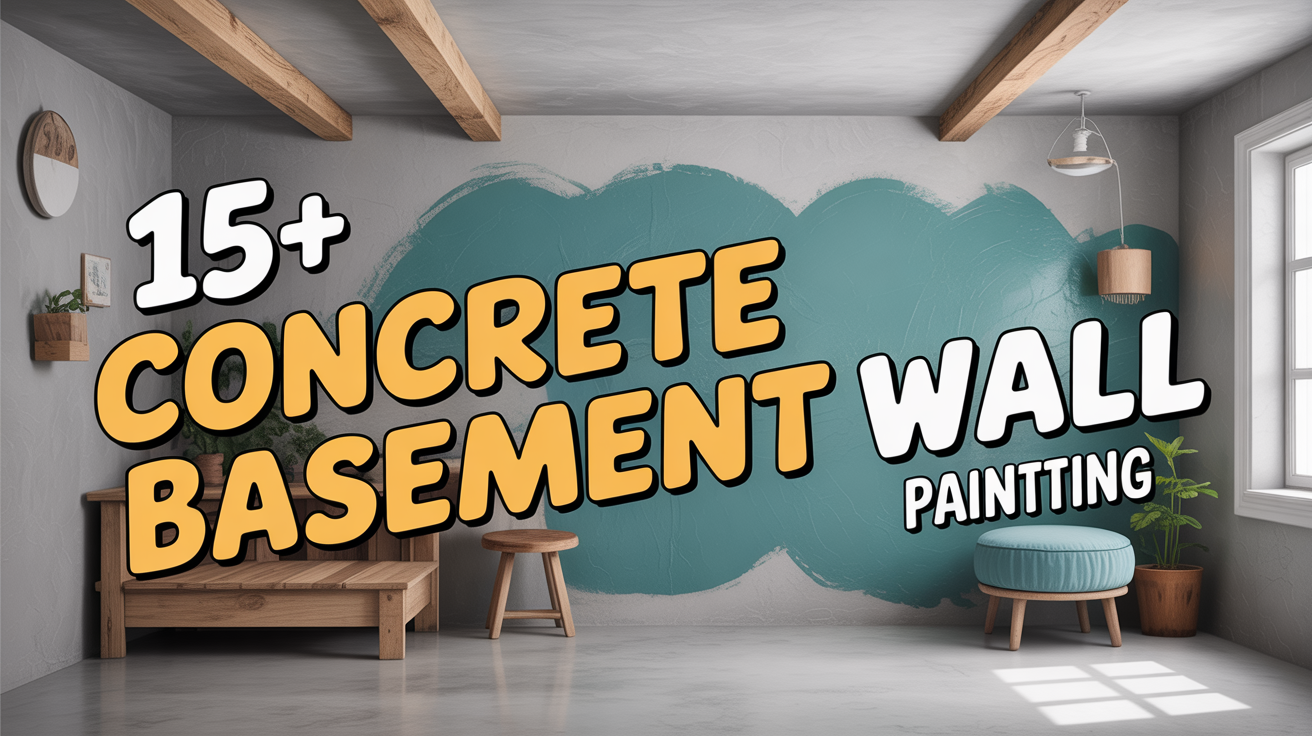
Concrete basement walls can often feel cold, dark, and uninviting. With the right painting approach, you can completely transform this space into a warm, stylish, and visually appealing area. Painting concrete requires understanding its texture, porosity, and the type of paint that works best. With over 20 years of experience in home improvement, I have seen how even the simplest painting technique can elevate a basement from dull to stunning.
1. Solid Color Transformation Ideas
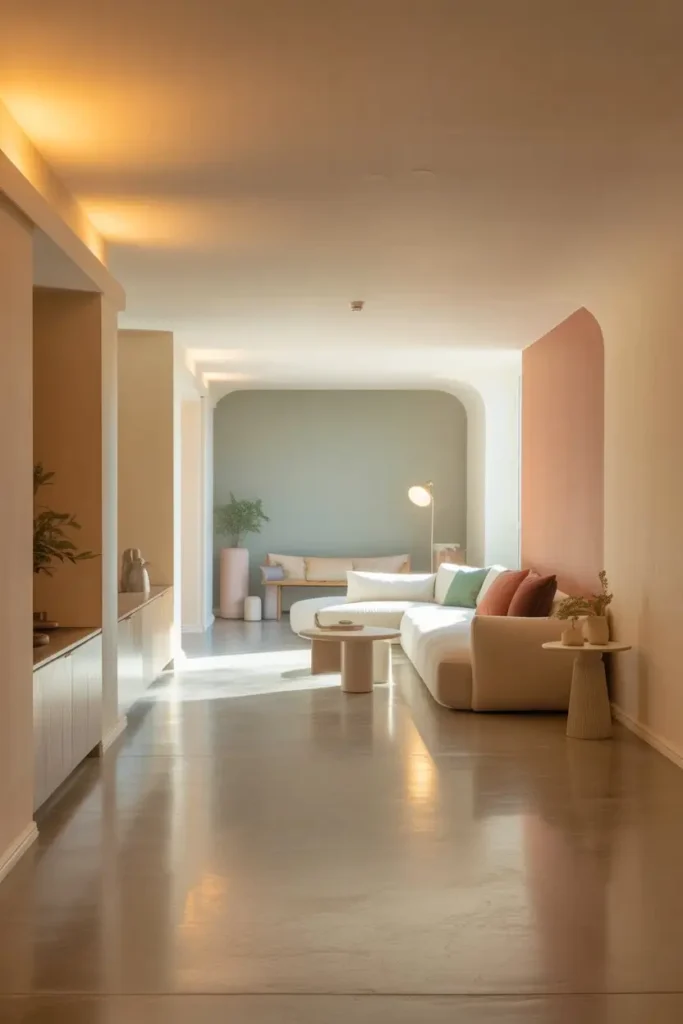
A solid color can make a basement feel more open and clean. Choosing lighter shades like soft cream, pale gray, or pastel tones instantly brightens the room. These colors reflect natural and artificial light, making even the smallest basements appear larger. For a modern twist, consider combining a soft color with a subtle accent wall. This approach is simple yet highly effective in creating a welcoming basement environment.
2. Ombre Painting Ideas
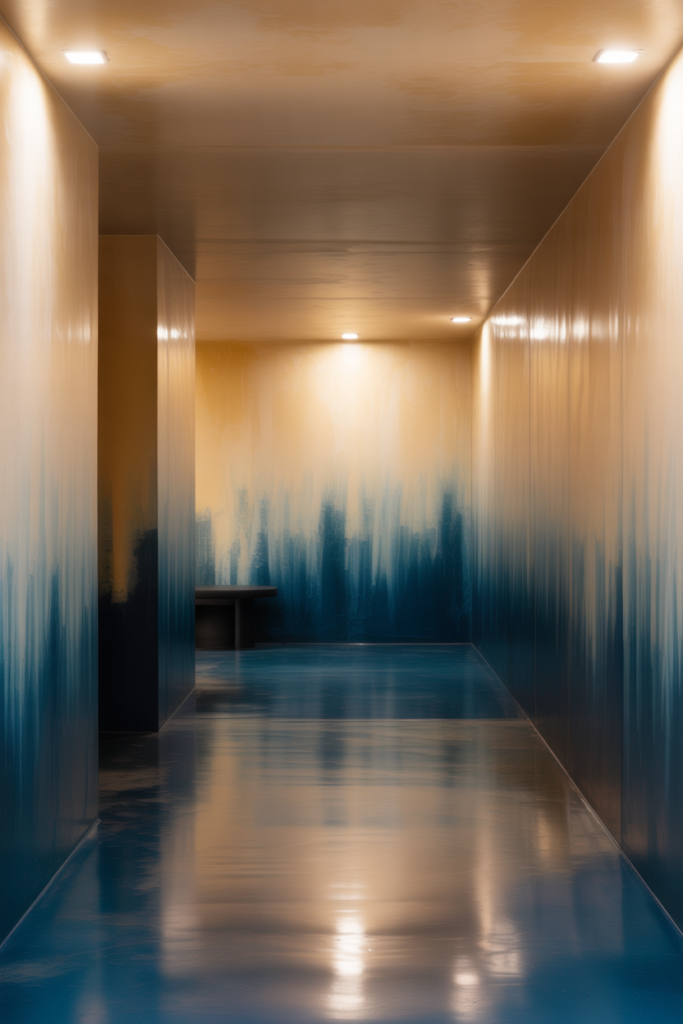
Ombre walls provide a gentle gradient that adds depth and visual interest to concrete walls. Begin with a darker shade at the bottom and gradually lighten it toward the ceiling. This technique creates an illusion of height and draws the eye upward, making the basement feel less confined. Ombre works well with blues, greens, and neutral shades, offering versatility to match various decor styles.
3. Stenciled Concrete Walls
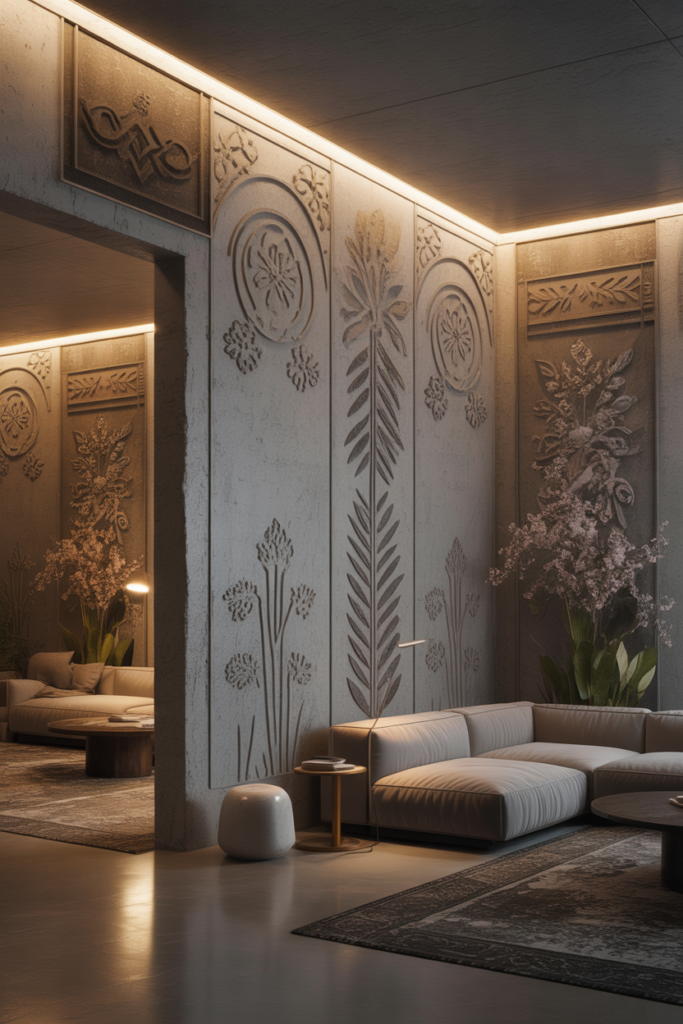
Using stencils is a creative way to add patterns to plain concrete walls. Geometric shapes, floral patterns, or abstract designs can bring personality and charm to your basement. Stenciling requires patience, but the results are highly rewarding. You can experiment with contrasting colors or use a single color tone for a subtle, elegant effect that transforms the space without overwhelming it.
4. Striped Wall Painting Ideas
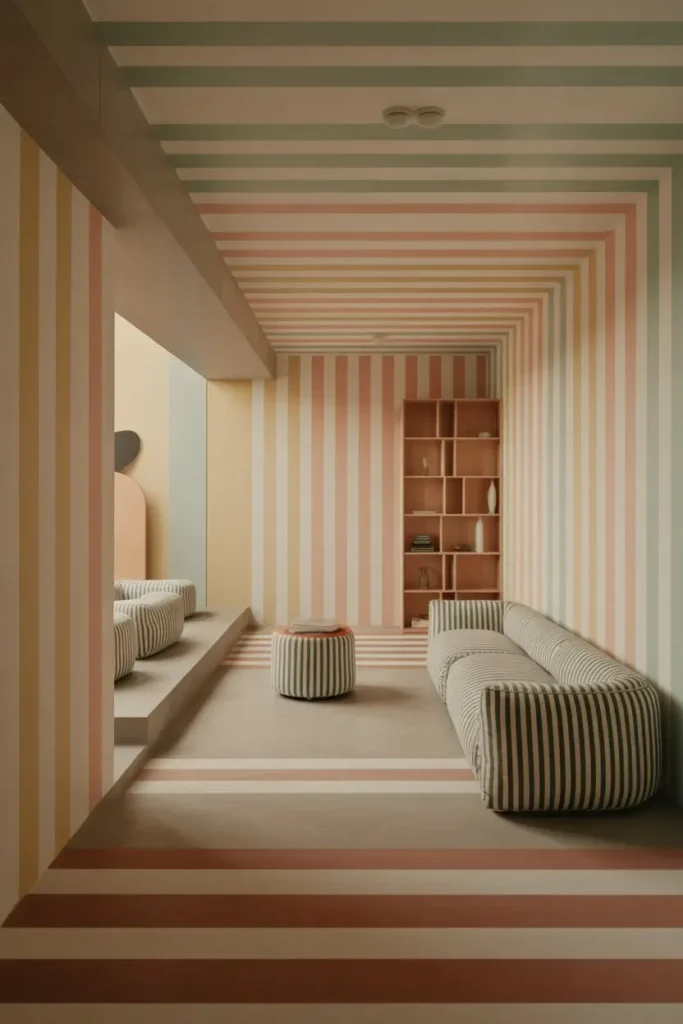
Stripes on concrete walls can add energy and structure to the basement. Vertical stripes make ceilings appear higher, while horizontal stripes visually widen the space. Play with contrasting colors or shades from the same palette to create a cohesive look. Striped walls work beautifully in recreational rooms, home gyms, or play areas where a dynamic feel is desired.
5. Textured Concrete Wall Effects
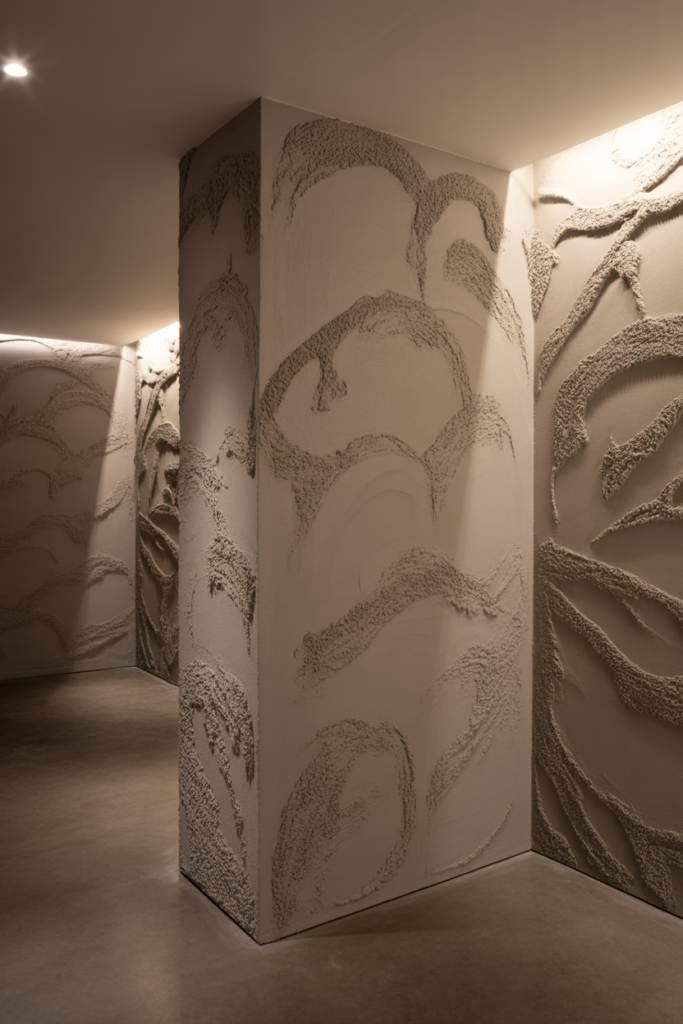
Adding texture before painting can turn ordinary concrete walls into a tactile and stylish feature. Techniques like sponging, rag rolling, or plaster texturing create depth and character. After applying the texture, a single paint color can be used to highlight the raised areas. This method gives the basement a sophisticated and unique look without the need for expensive materials.
6. Two-Tone Basement Walls
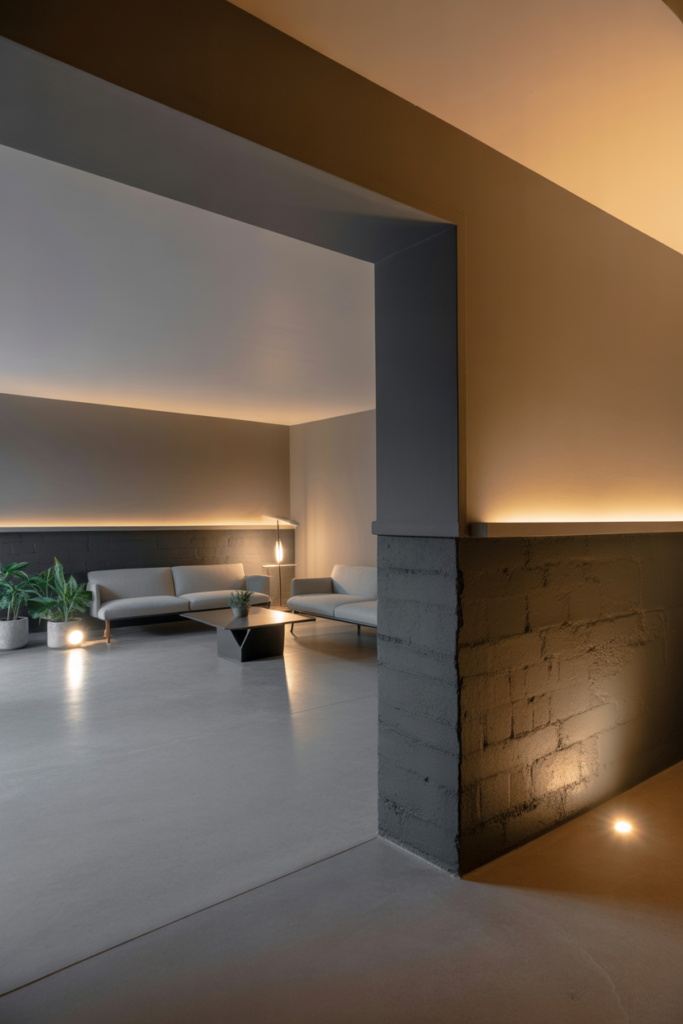
Two-tone walls offer a simple yet striking way to add dimension. Painting the lower half of the wall a darker shade and the upper half a lighter tone can make the basement feel grounded and balanced. This technique also hides scuffs and wear on the lower portion while keeping the overall space bright and inviting. It works well in basements with multiple functional areas or in homes with children.
7. Concrete Wall Murals
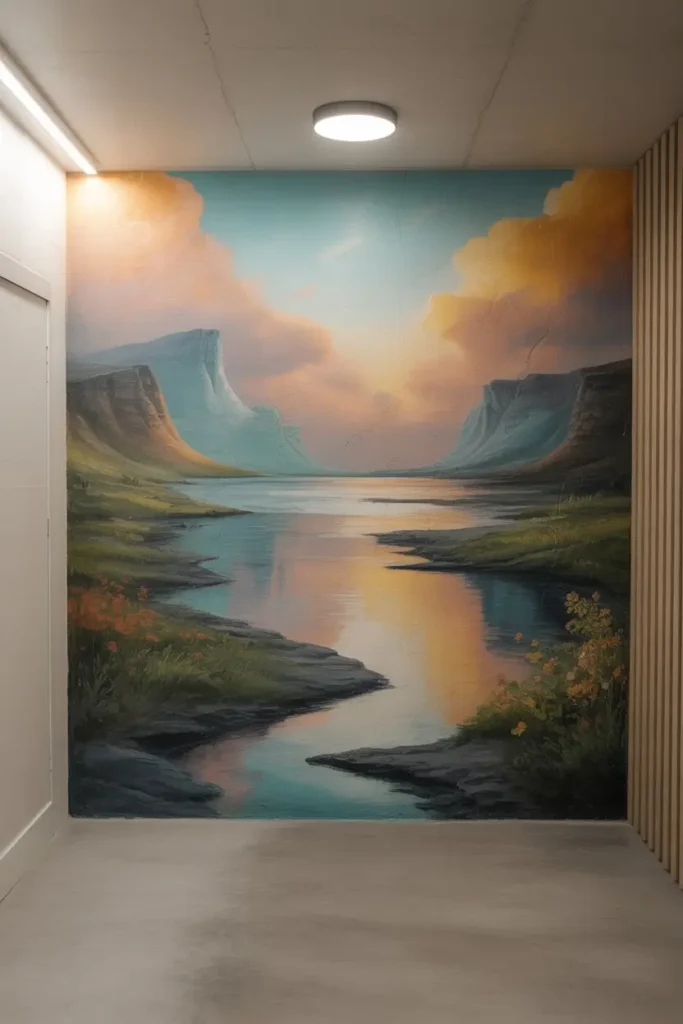
Mural painting turns a plain basement into a space full of art and personality. Landscapes, abstract art, or themed murals can create a focal point that captures attention. Murals allow homeowners to express their taste and make the basement feel unique. While murals require planning and skill, they provide an impactful transformation that standard painting cannot achieve.
8. Metallic Finishes
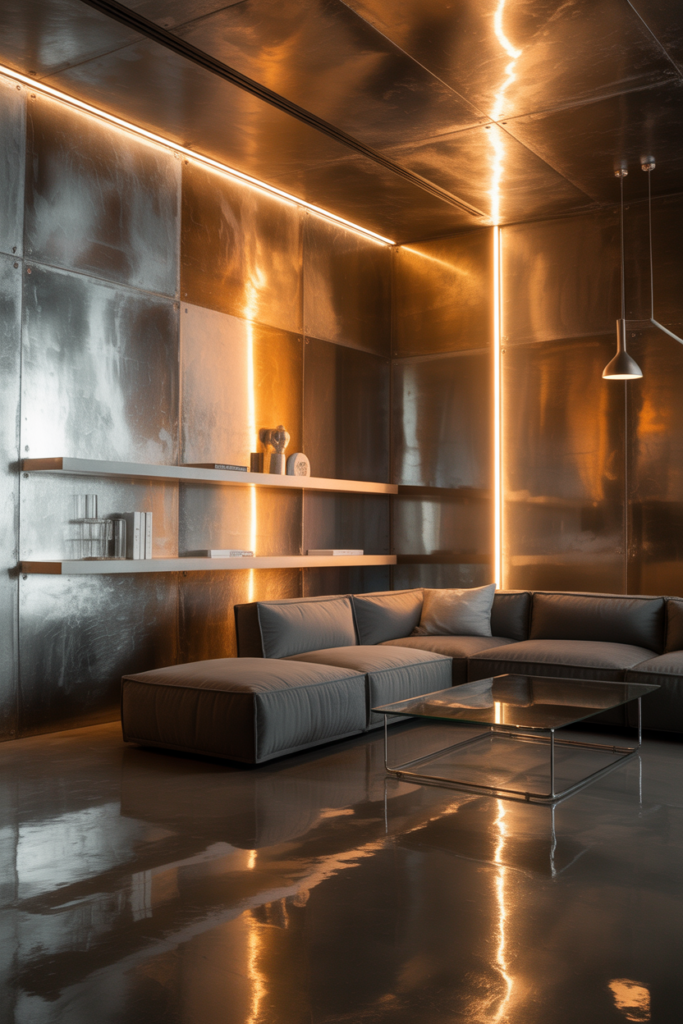
Metallic paints on concrete walls add a reflective and modern touch. Silver, gold, bronze, or copper finishes create a shimmering effect that can brighten the basement without additional lighting. Metallic walls pair beautifully with contemporary furnishings and can turn the basement into a stylish entertainment area. Subtle metallic tones can also add elegance without overwhelming the space.
9. Faux Brick and Stone Painting
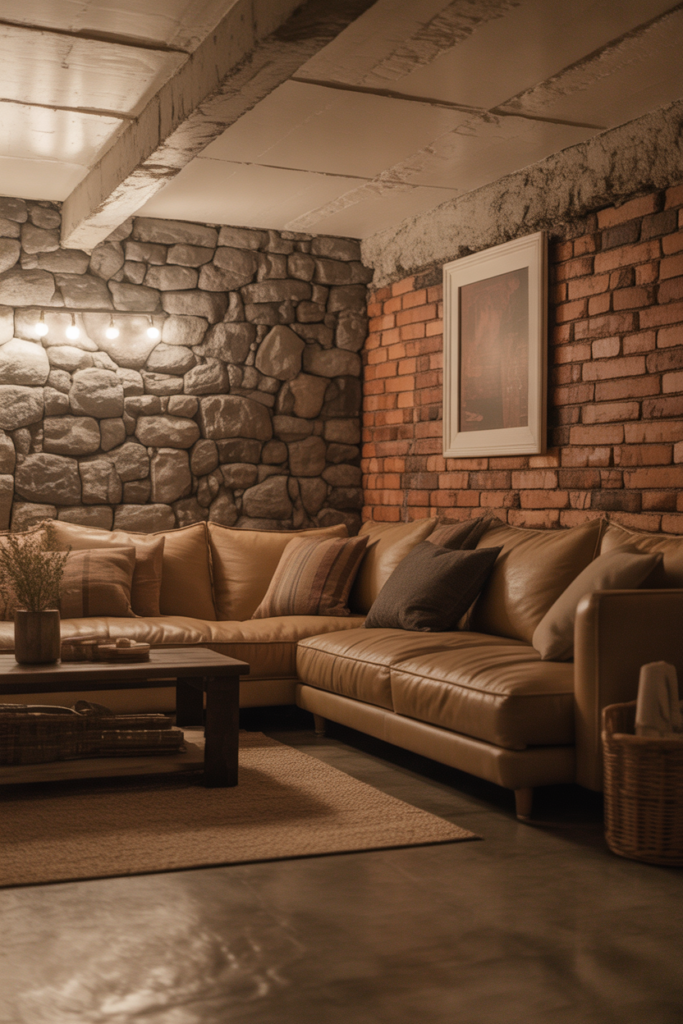
Faux brick or stone painting creates a rustic and textured appearance on smooth concrete walls. Using special brushes and layering techniques, you can replicate the look of real brick or stone. This approach is cost-effective and adds warmth to the basement. Pairing it with cozy furniture and lighting enhances the overall charm, creating a welcoming retreat below ground.
10. Chalkboard Walls
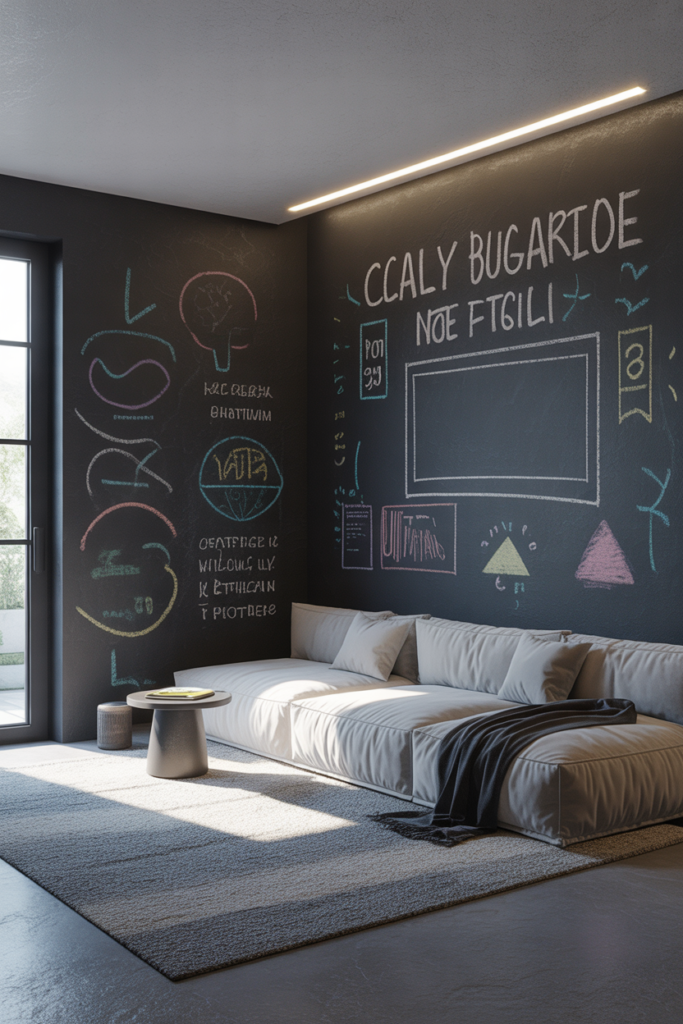
Painting a section of your basement wall with chalkboard paint is both functional and fun. It is ideal for playrooms, home offices, or hobby areas. Children can draw freely, and adults can use it for notes or creative projects. Chalkboard walls encourage interaction with the space while offering a unique visual element that contrasts with traditional painted walls.
11. Patterned Geometric Walls
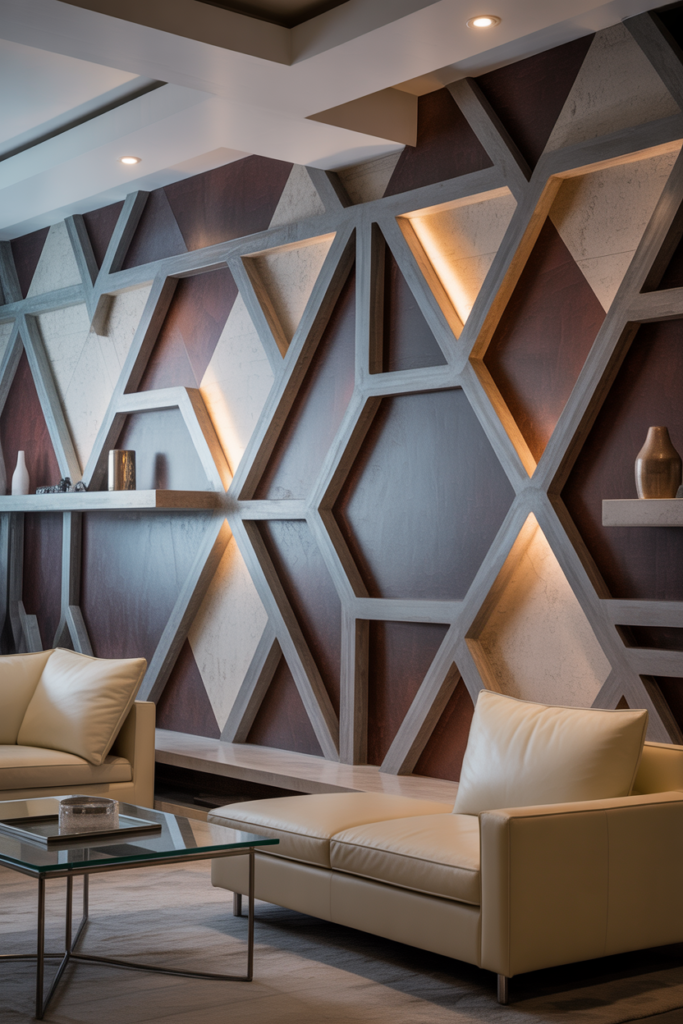
Geometric patterns add a modern and dynamic element to concrete walls. Triangles, hexagons, or other repeating shapes can create rhythm and movement within the basement. Using multiple colors or shades of a single color palette makes the space visually engaging. Geometric designs can be bold or subtle depending on the chosen color combination, allowing flexibility to suit any style.
12. Ombre Textured Effects
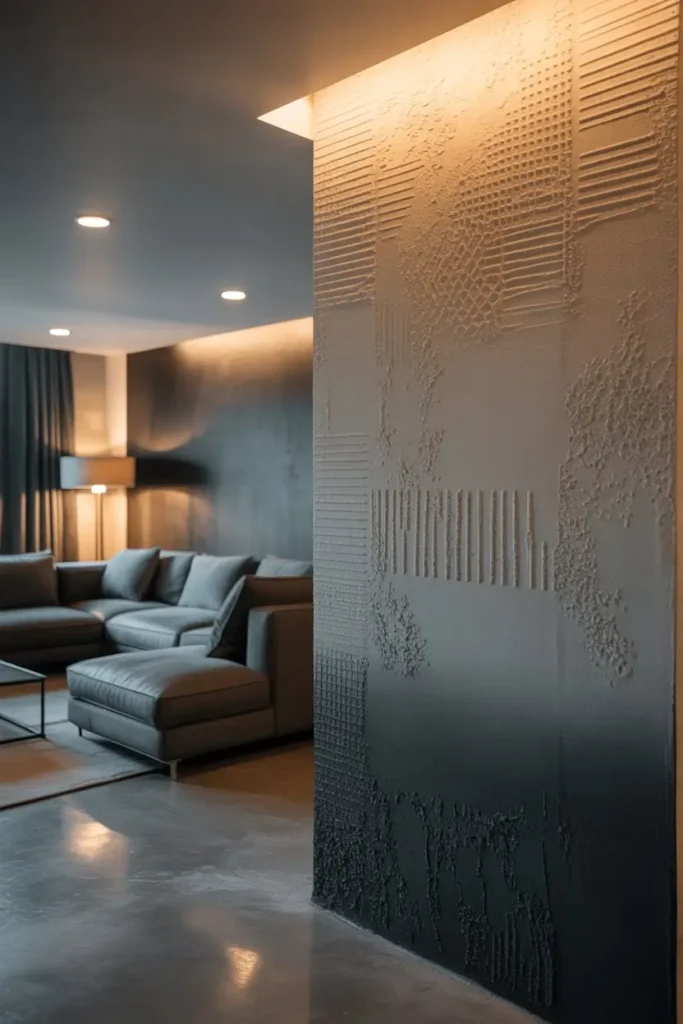
Combining ombre gradients with texture takes wall painting to another level. Textured ombre adds dimension and creates a soft transition of colors. This approach works beautifully for accent walls or behind key furniture pieces. It provides a sophisticated and unique aesthetic, elevating the basement beyond ordinary painted walls.
13. Color Blocking Techniques
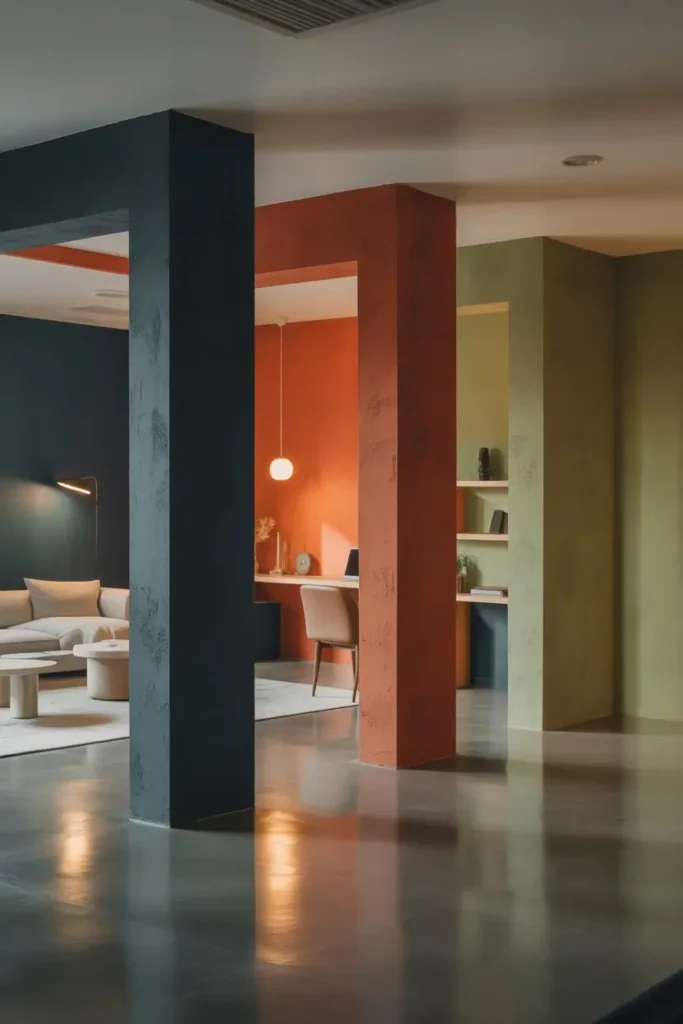
Color blocking involves painting distinct sections of a wall in contrasting or complementary colors. This technique draws attention to architectural elements or specific zones in a basement. Color blocking can define areas such as a media space, reading nook, or bar area. It offers a contemporary style and allows creativity without cluttering the room visually.
14. Soft Pastel Walls
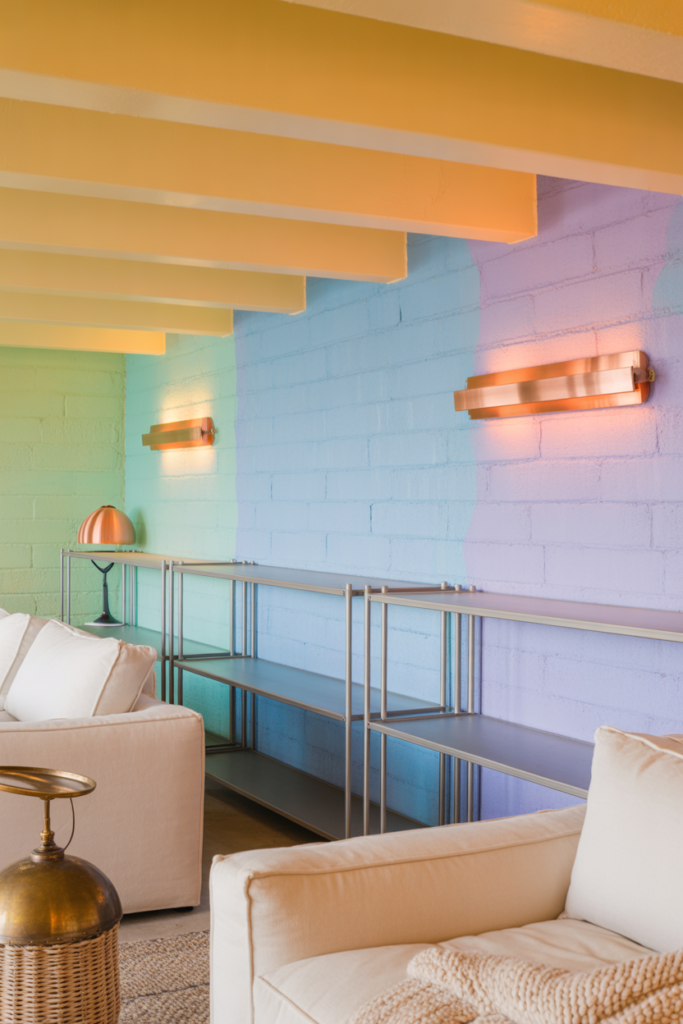
Soft pastel shades create a calming and welcoming environment in the basement. Light pinks, mint greens, baby blues, or lavender add warmth without making the space feel crowded. Pastels reflect light well, brightening darker corners. They also pair seamlessly with wood or metallic accents to create a balanced and stylish atmosphere.
15. Deep and Moody Tones
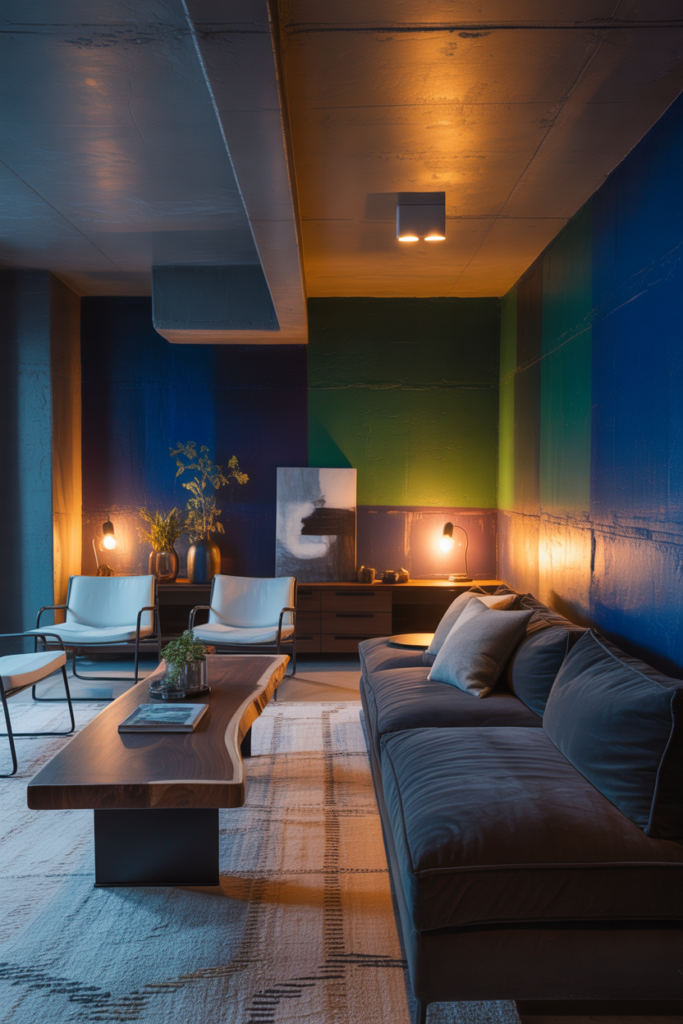
For a dramatic and intimate feel, deep colors such as navy, charcoal, or forest green can be used on concrete walls. These shades create a cozy and sophisticated basement ideal for media rooms or wine cellars. Pairing deep tones with warm lighting ensures the space does not feel too dark or oppressive. This approach makes the basement feel like an intentional and stylish retreat.
16. Custom Color Blends
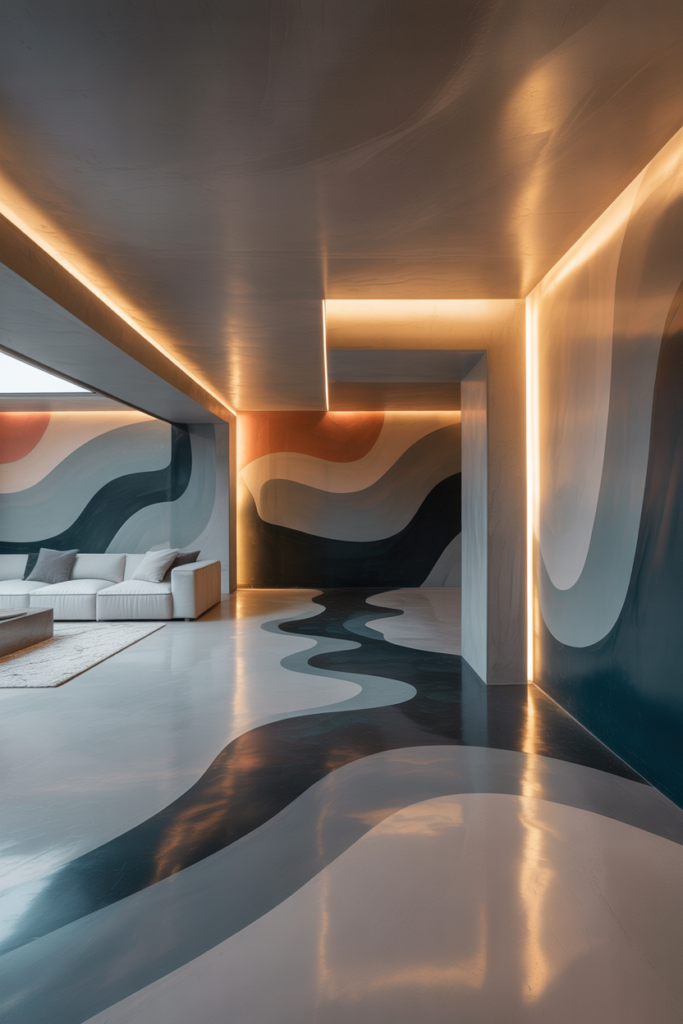
Creating a custom blend of colors allows for a unique and personal touch. Mixing shades or layering multiple tones can produce a look that is entirely original. Custom blends work well in open-concept basements where continuity and flow are desired. Experimenting with subtle transitions or bold contrasts ensures your basement stands out with a one-of-a-kind aesthetic.
FAQs
Final Thought
Concrete basement walls offer a blank canvas full of possibilities. From solid colors to intricate murals, creative painting techniques transform this often-overlooked space into a stylish and functional part of your home. Choosing the right color, texture, and style ensures your basement reflects your personality while maximizing comfort and visual appeal. With the right approach, a painted basement wall can elevate the entire home experience, turning a simple concrete surface into a work of art.