15+ Stylish Ideas for Transitional Light Fixtures
1. Elegant Chandeliers for a Balanced Look
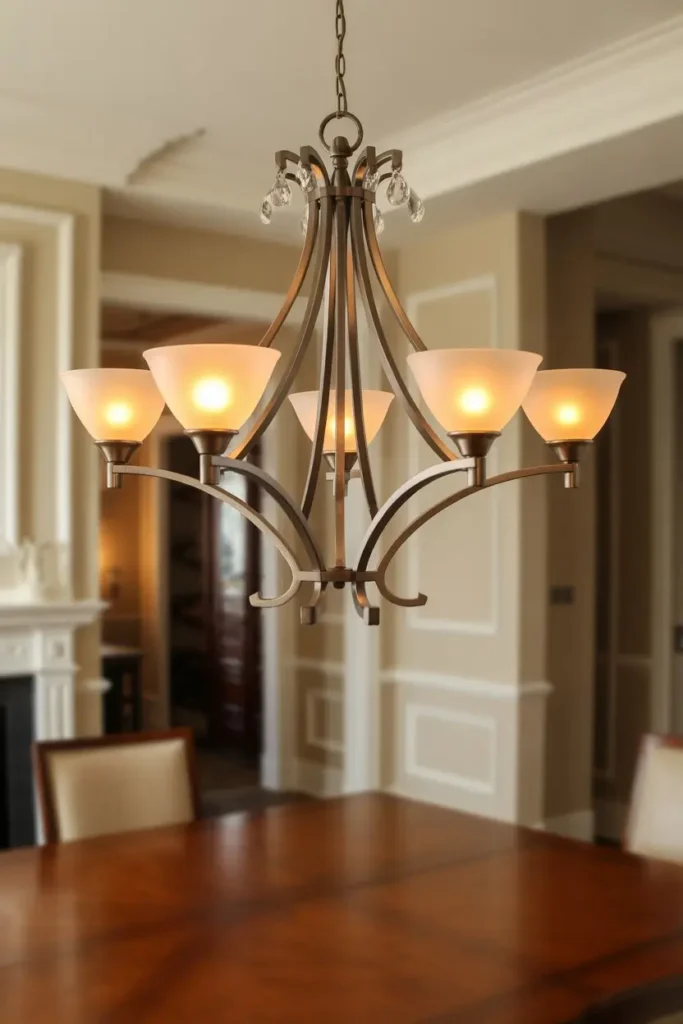
Transitional chandeliers bring together classic elegance and modern simplicity. They work well in dining rooms and entryways where you want a statement piece that is neither too traditional nor too contemporary. Choosing a chandelier with clean lines and subtle decorative elements helps maintain balance. Materials like brushed nickel, bronze, and muted gold offer versatility, blending with various interior styles. A chandelier can define the space while providing ample light, creating warmth and sophistication without overwhelming the room.
2. Modern Pendant Lights with Classic Touches
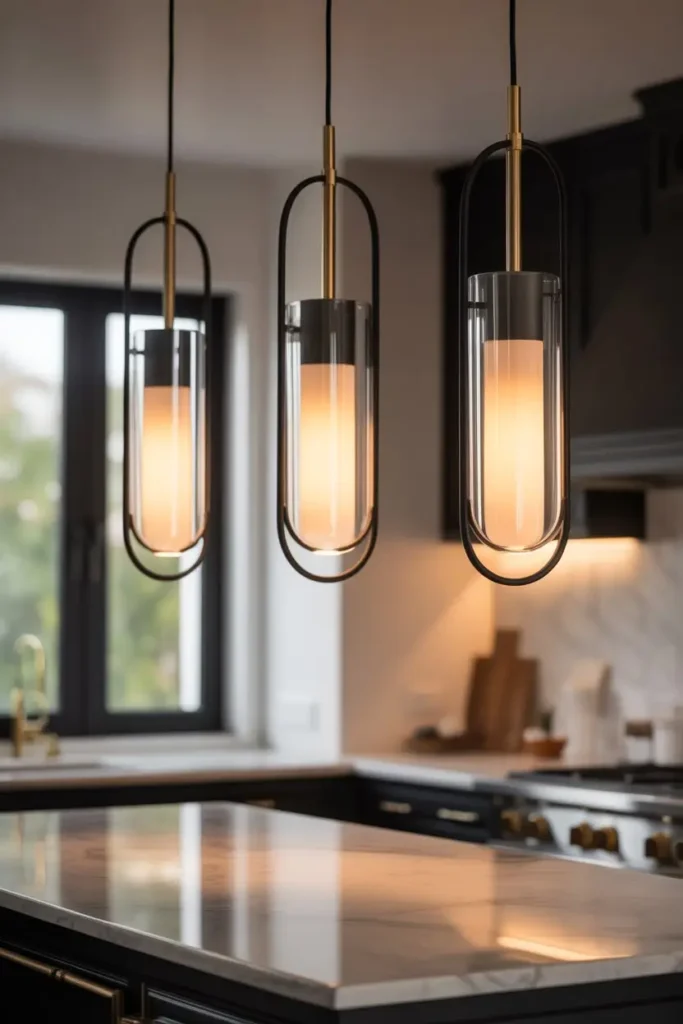
Pendant lights are ideal for kitchens and living areas, providing focused lighting and style. For a transitional approach, look for designs that combine sleek shapes with traditional details like textured finishes or subtle curves. Glass shades in soft colors or metal finishes that are not too shiny work well. Pendants add visual interest and can be arranged in multiples over islands or seating areas. They enhance the functionality of a space while maintaining a timeless feel.
3. Wall Sconces That Blend Styles
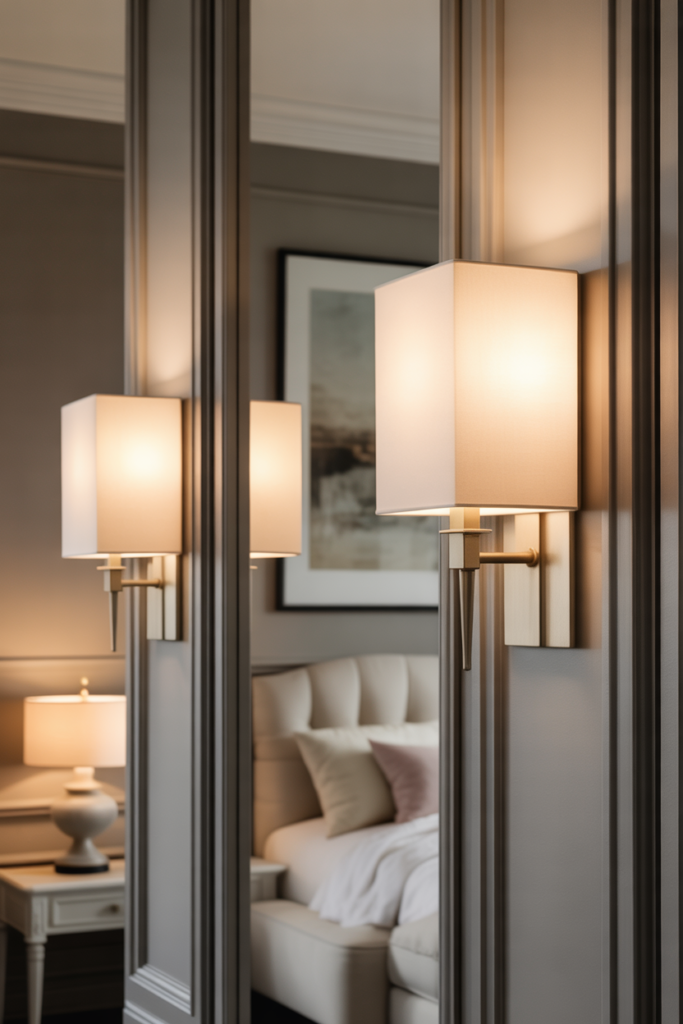
Wall sconces in transitional designs are perfect for hallways, bedrooms, and bathrooms. A sconce that mixes a clean frame with elegant detailing can complement both modern and classic decor. Soft lighting from sconces adds depth to walls and highlights artwork or architectural features. Choosing sconces in neutral tones ensures flexibility in decorating while providing enough illumination for functional purposes. They can also create a cozy atmosphere in spaces where overhead lighting feels too harsh.
4. Ceiling Fixtures with Simple Elegance
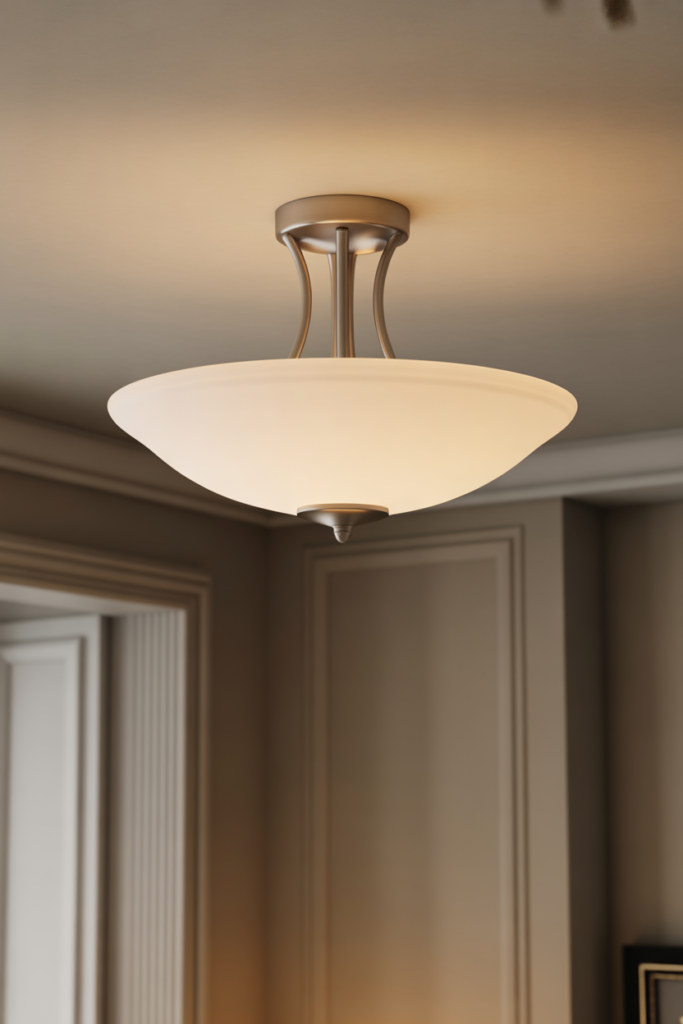
Flushed or semi-flushed ceiling fixtures are versatile for transitional spaces. A fixture with a round or oval shape, combined with materials like frosted glass or subtle metals, works in bedrooms, offices, or small living spaces. These fixtures provide even lighting without taking too much visual attention. Selecting a design that balances clean lines and gentle ornamentation ensures the fixture fits a variety of styles and remains timeless.
5. Transitional Floor Lamps for Layered Lighting
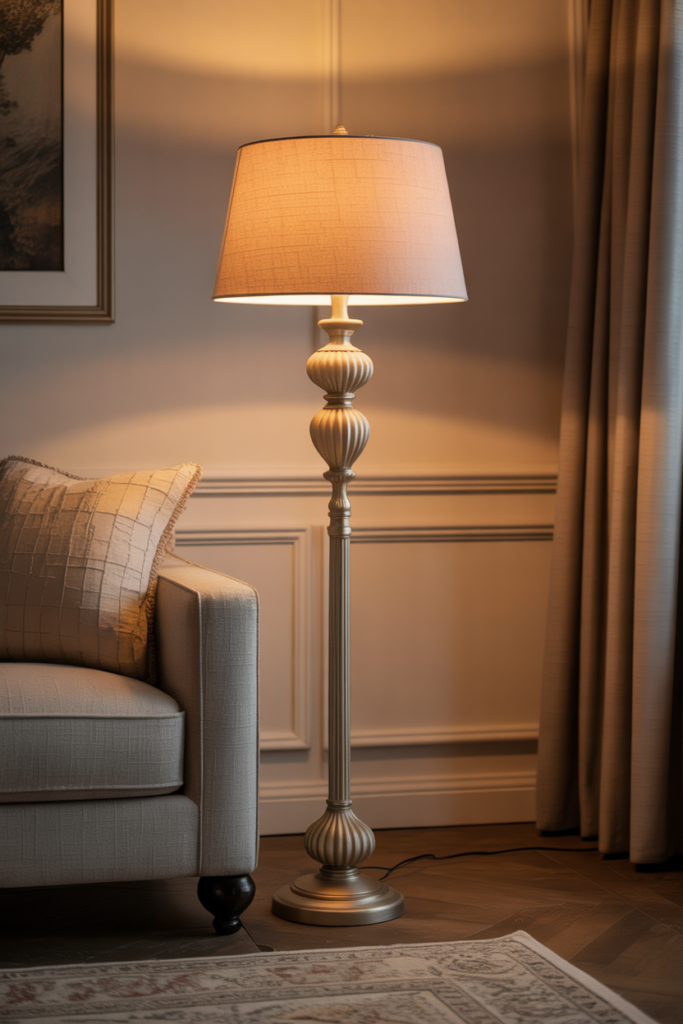
Floor lamps bring both function and style to transitional interiors. Look for lamps with classic bases and modern shades to achieve harmony. They are perfect for reading corners, living rooms, or beside sofas. Floor lamps allow for layered lighting, complementing overhead fixtures while adding decorative appeal. Choosing adjustable designs can increase versatility and make it easier to create the right mood for any activity.
6. Table Lamps That Mix Materials and Shapes
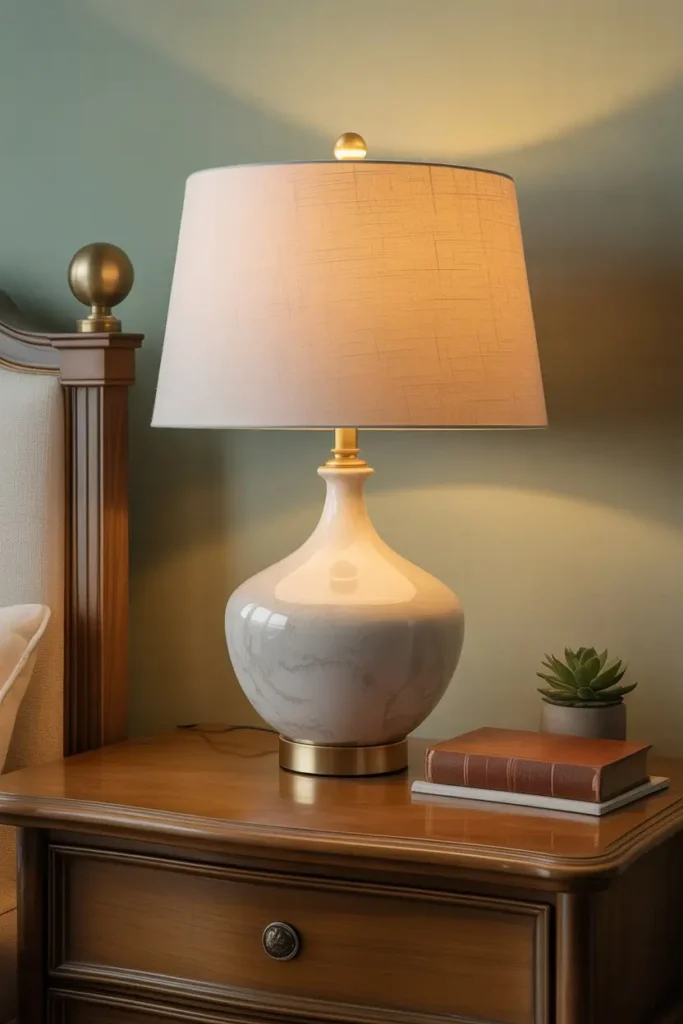
Transitional table lamps offer opportunities to blend modern materials with traditional forms. A lamp with a glass or ceramic base and a simple fabric shade can tie together different elements in a room. These lamps work well on side tables, nightstands, or console tables. They provide focused lighting for reading or tasks while enhancing the aesthetic of the room. Selecting lamps in neutral colors ensures they remain compatible with changing decor trends.
7. Layered Lighting Combinations
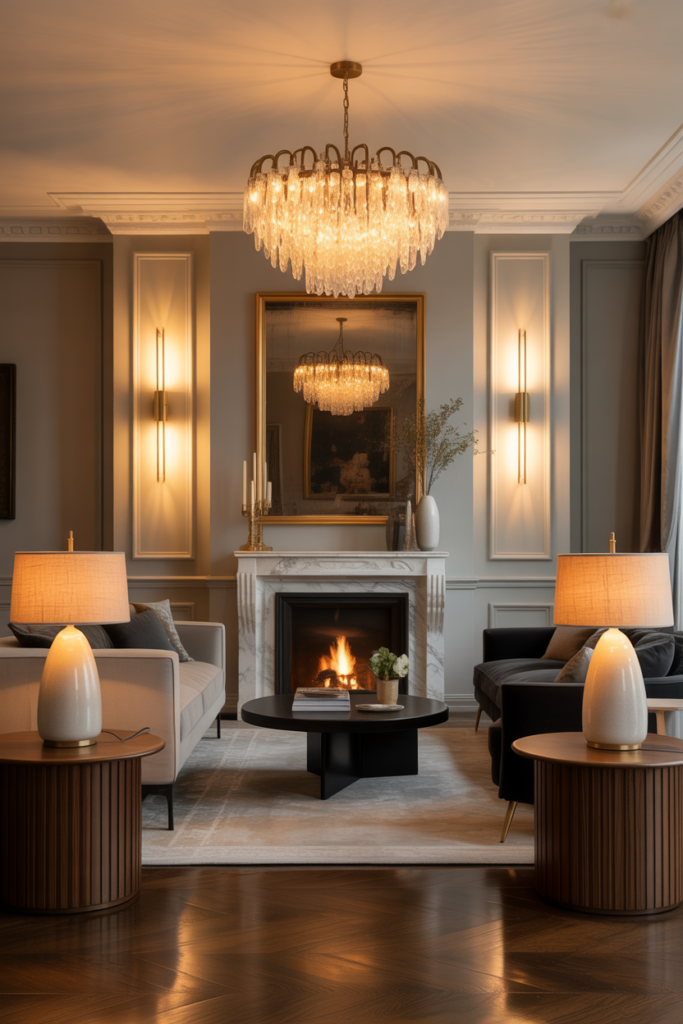
Transitional lighting shines when used in layers. Combining chandeliers, sconces, floor lamps, and table lamps creates a balanced lighting plan. Layered lighting adds depth, enhances mood, and highlights architectural features. Careful selection ensures each piece complements the others without creating visual clutter. Using multiple types of lighting in one room allows for flexibility, helping to adjust brightness and style according to the occasion.
8. Metallic Finishes with Subtle Detailing
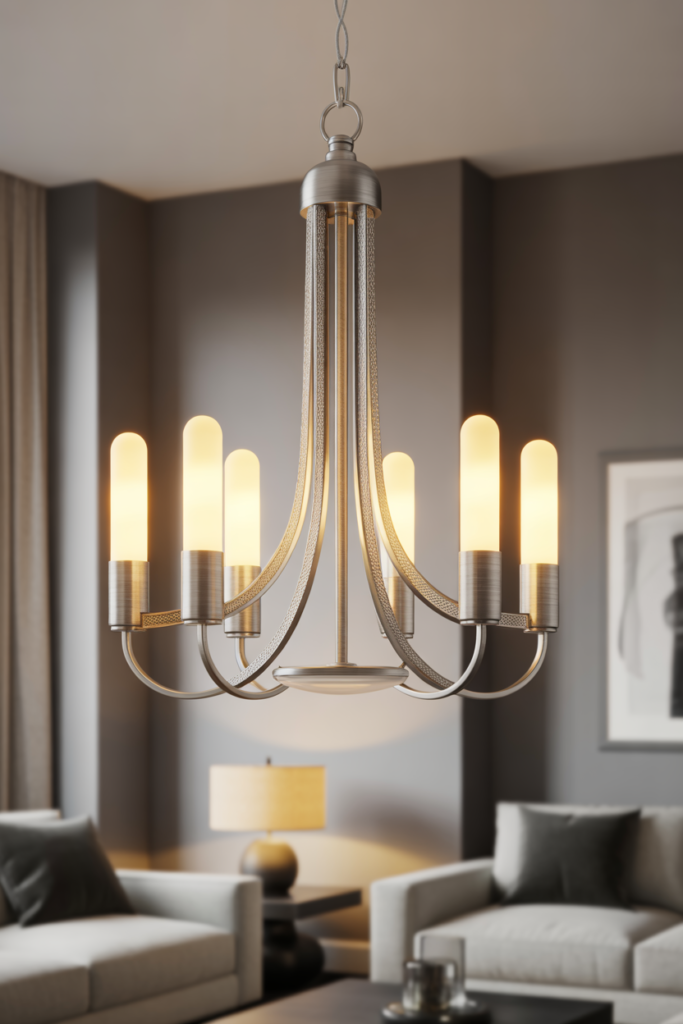
Metallic finishes such as brushed nickel, antique bronze, or soft gold bring transitional light fixtures to life. These finishes provide visual interest without being overpowering. Fixtures with subtle curves, decorative arms, or textured surfaces can add dimension. Metals in transitional lighting can harmonize with furniture, hardware, and other accents, creating a cohesive look. Choosing metals that are neither too shiny nor too dark ensures the fixture feels fresh and enduring.
9. Glass Elements for Soft and Inviting Illumination
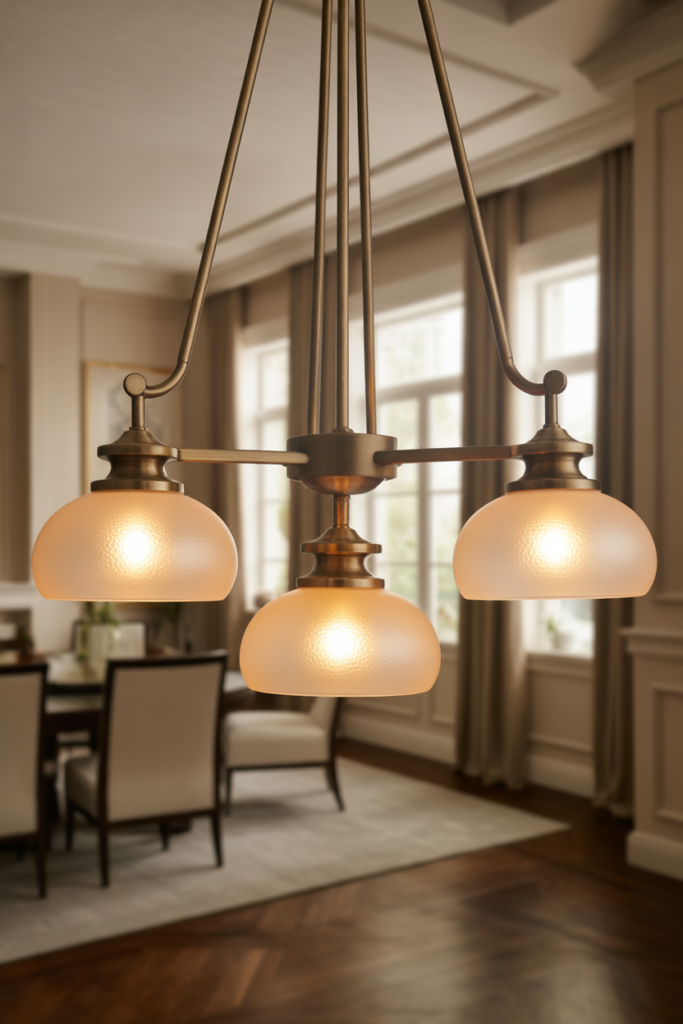
Glass shades in transitional light fixtures soften the glow and add elegance. Frosted, seeded, or clear glass can highlight the fixture’s design while providing gentle lighting. Glass elements work well in chandeliers, pendants, wall sconces, and ceiling fixtures. The material enhances both traditional and contemporary styles, making it versatile for any space. Selecting the right glass tone helps to create a warm and welcoming ambiance.
10. Neutral Color Palettes for Versatility
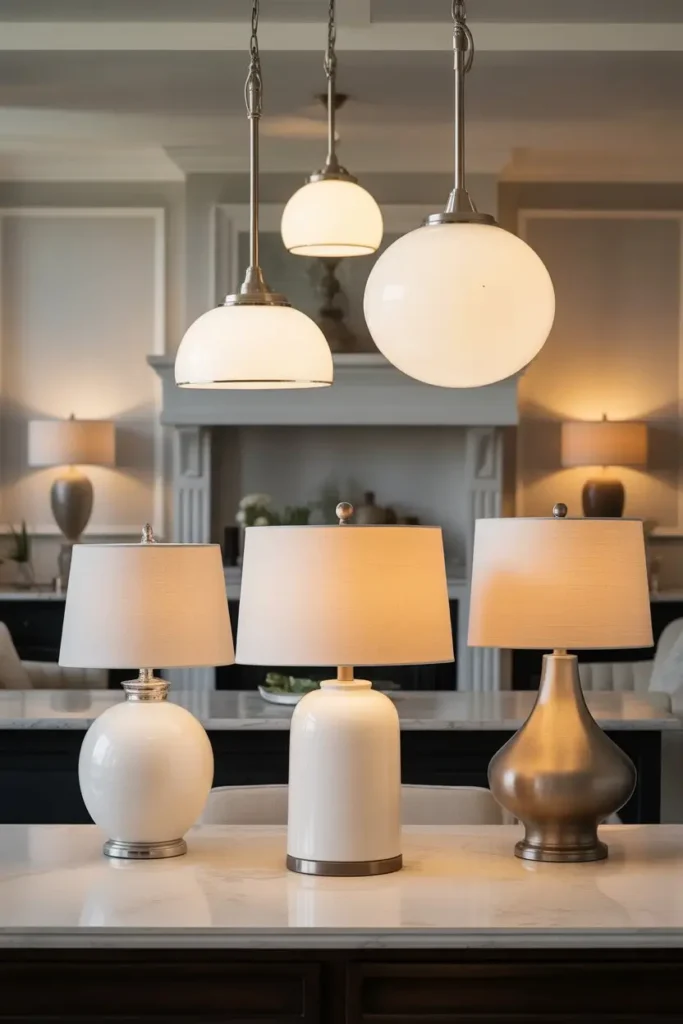
Transitional lighting often relies on neutral tones to blend with various decor. Shades of white, cream, gray, and muted metal finishes are safe choices. Neutral colors ensure that fixtures remain timeless and adaptable as furniture and wall colors change. They also help to highlight the form and design of the light itself rather than drawing attention solely to color. Maintaining a consistent palette across lighting types helps unify the room.
11. Geometric Shapes with Classic Proportions
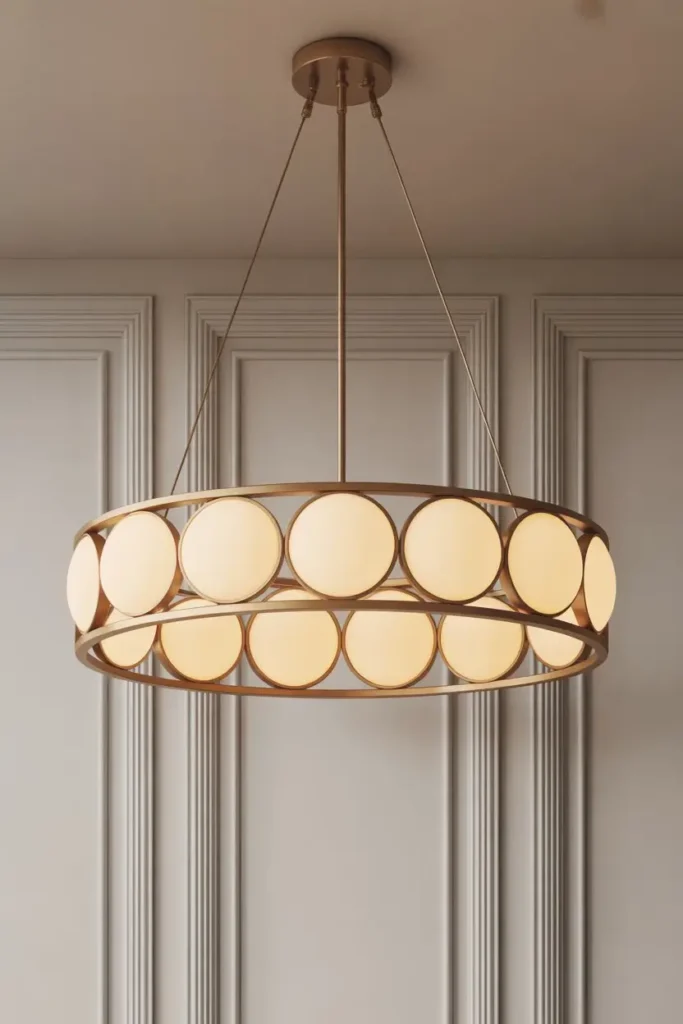
Using geometric shapes in transitional lighting adds structure while preserving elegance. Circles, ovals, rectangles, and subtle hexagons create interest without feeling overly modern. Fixtures with balanced proportions ensure they feel comfortable in traditional and contemporary settings. Geometric designs work well in chandeliers, pendants, and wall sconces, providing a clean look that feels intentional and stylish.
12. Textured Finishes for Depth
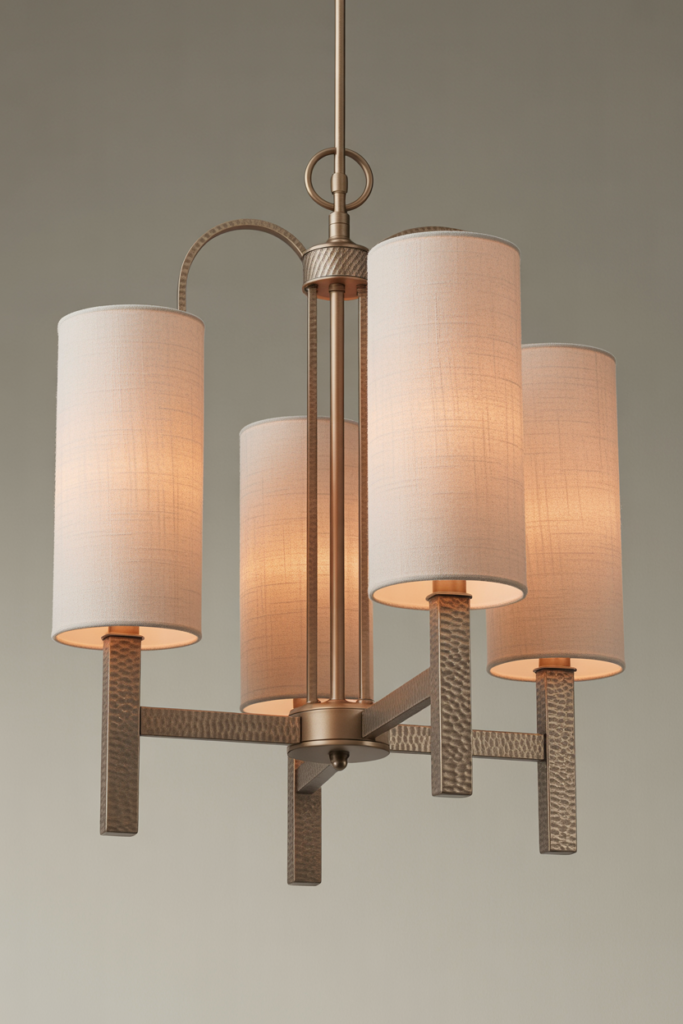
Transitional light fixtures with textured finishes create visual richness. Hammered metals, etched glass, and linen shades introduce tactile appeal. Texture prevents the fixture from looking flat and adds warmth to the space. Carefully choosing textures that do not overwhelm the room helps to maintain a balanced design. Textured finishes also enhance light diffusion, creating a softer, more inviting glow throughout the space.
13. Adjustable and Functional Designs
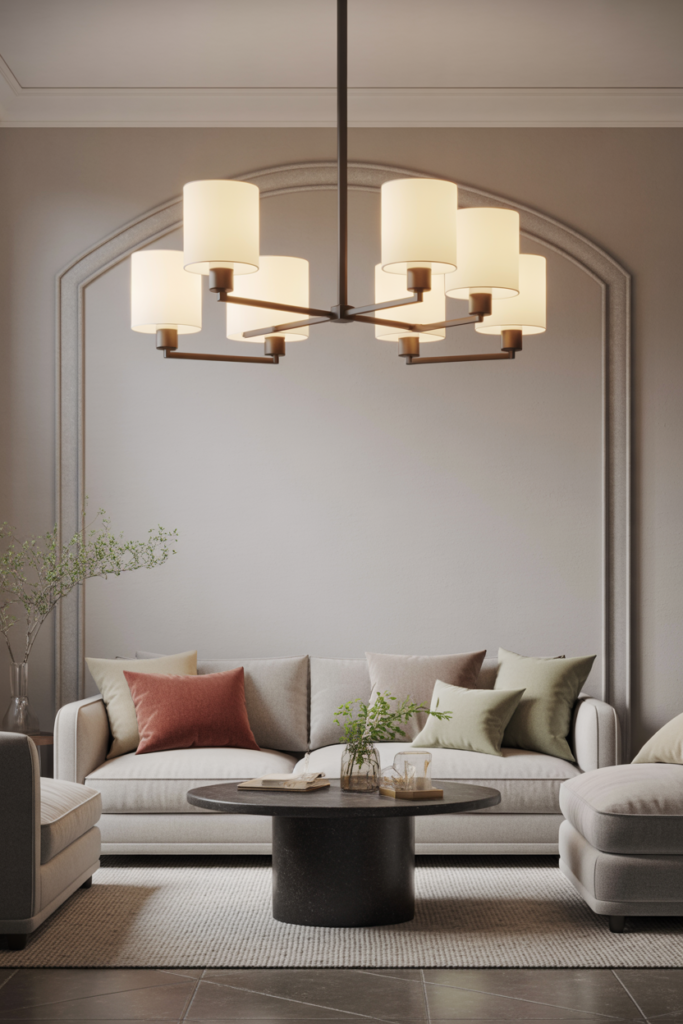
Transitional lighting that allows adjustment is both practical and stylish. Fixtures with dimming features or adjustable arms provide control over brightness and direction. This functionality is valuable in living rooms, kitchens, and bedrooms. Adjustable lighting enhances comfort and versatility while keeping the overall aesthetic refined. Choosing functional designs ensures the fixture serves the needs of the space without compromising style.
14. Layered Materials for Visual Interest
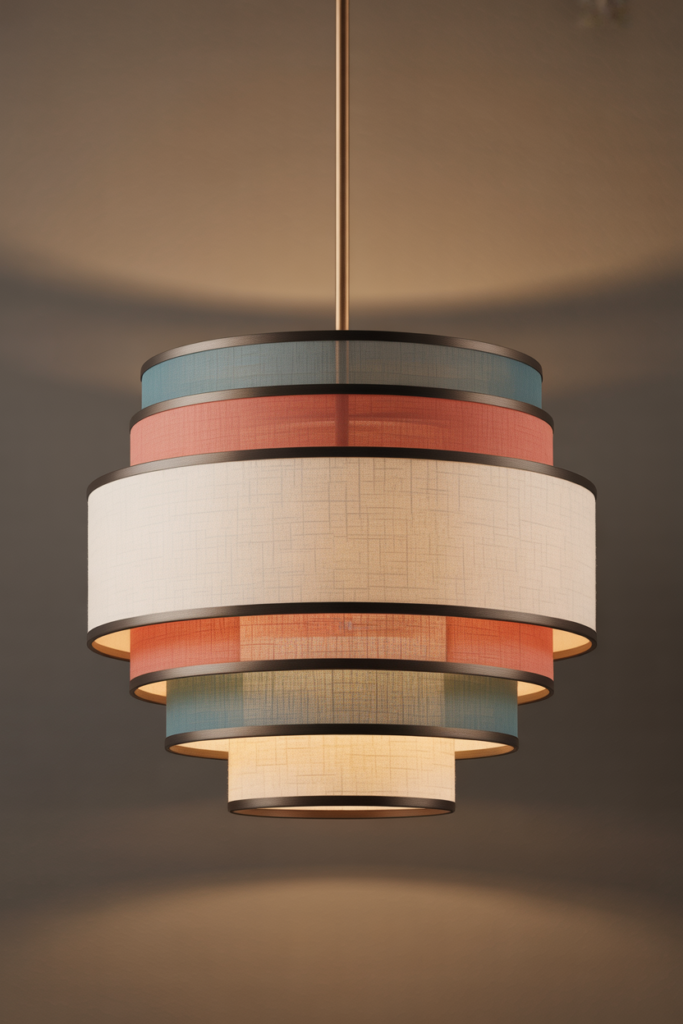
Combining materials like metal, wood, glass, and fabric in one fixture adds sophistication. Transitional lighting benefits from careful layering that does not appear chaotic. A chandelier with a metal frame and wooden accents or a pendant with a glass shade over a fabric element can anchor a space visually. Layered materials create depth and richness, making each fixture a unique feature in the room.
15. Scaled Fixtures to Fit the Space
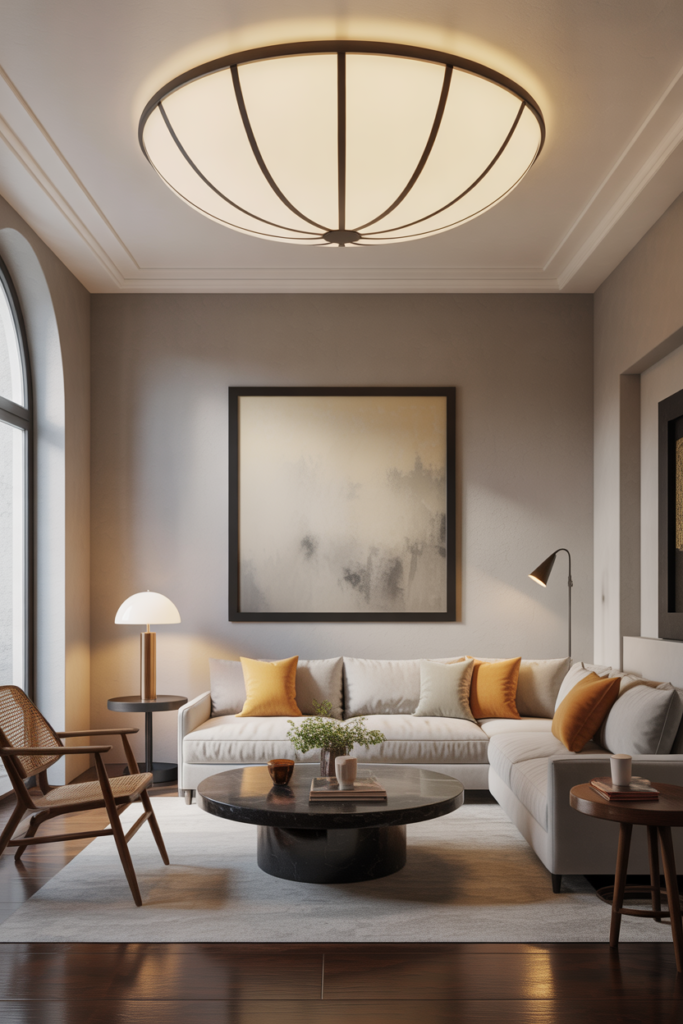
Proportion is key in transitional lighting. Fixtures that are too large can overwhelm a room, while those too small may feel lost. Assessing ceiling height, room size, and furniture layout helps in selecting appropriately scaled pieces. Scaled fixtures maintain harmony and ensure that light spreads evenly without creating shadows or glare. This careful attention to size ensures both function and aesthetic balance in the space.
16. Outdoor Transitional Lighting for Cohesion
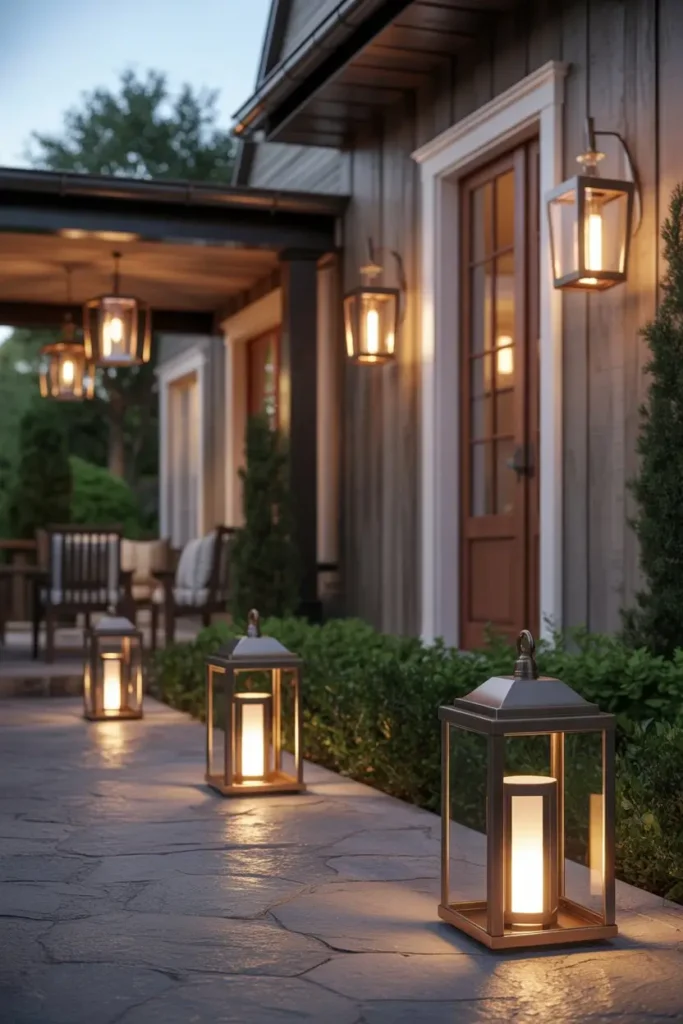
Transitional style extends outdoors with lanterns, wall lights, and pendant fixtures. Materials like metal and glass ensure durability while maintaining elegance. Outdoor lighting should complement interior design for a cohesive look. Proper placement along pathways, entrances, or patios creates ambiance and safety while reflecting the home’s overall style. Outdoor transitional fixtures bridge the gap between exterior and interior design seamlessly.
FAQs
Final Thought
Transitional light fixtures offer the perfect balance between timeless elegance and modern simplicity. Selecting pieces with thoughtful materials, finishes, and proportions creates spaces that are both functional and visually appealing. By layering lighting, paying attention to texture and color, and ensuring fixtures fit the space, homeowners can achieve a cohesive, stylish interior that remains beautiful for years. Investing in transitional lighting elevates every room and provides a sophisticated foundation for decorating with confidence.