17+ Charming 1930s Living Room Ideas That Feel Warm Timeless and Full of Soul
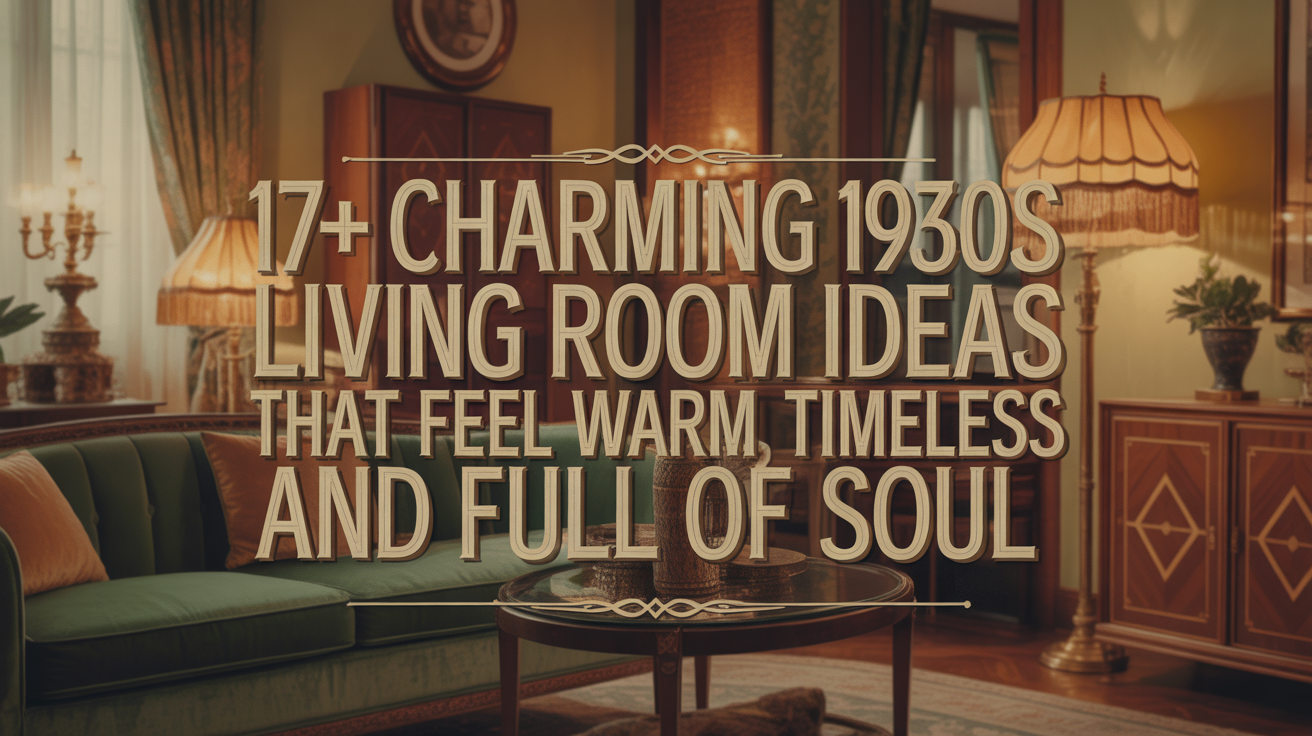
The 1930s was a special time in home design. Living rooms were made to feel welcoming calm and strong at the same time. Families gathered here every day. Radios played softly. Furniture lasted for decades. Nothing felt rushed or fake. Today many people want that same feeling again. A 1930s living room is not about trends. It is about comfort history and balance. This guide shares deep practical ideas shaped by real homes and years of hands on experience. Each idea helps you recreate the true spirit of a 1930s living room in a simple and natural way
1. Soft Neutral Walls With Gentle Warmth
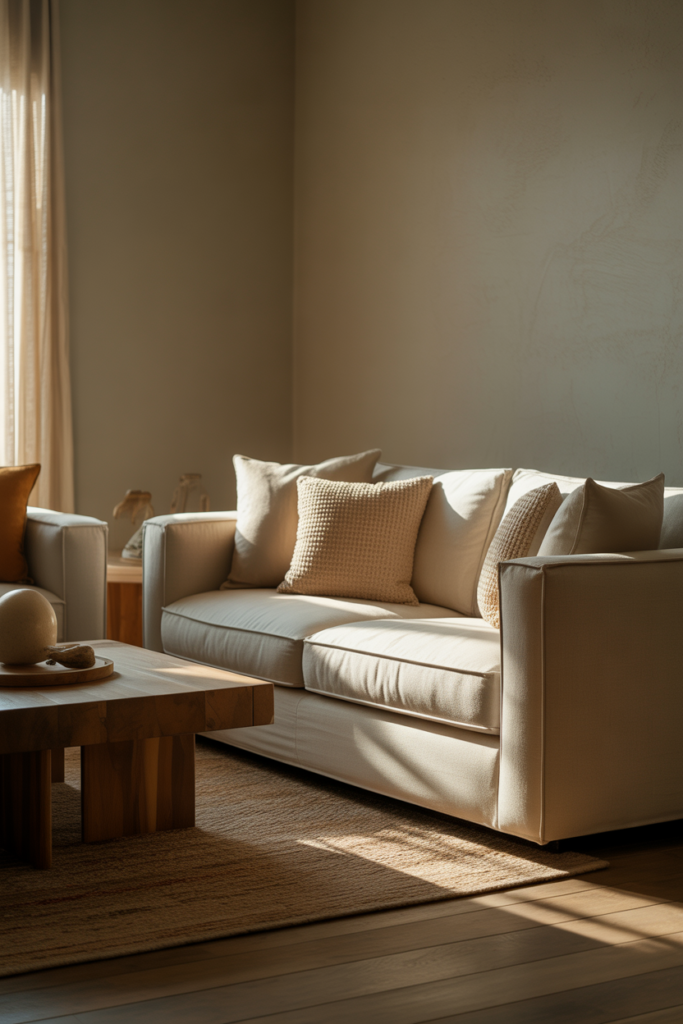
Walls in the 1930s were never loud. Most homes used soft shades that felt calm and safe. Warm beige light cream and muted gray were common. These colors made rooms feel bigger and brighter even in small homes. They also helped furniture stand out without shouting for attention. When you choose wall color today aim for warmth not stark white. A gentle tone makes the room feel lived in and peaceful. This simple choice sets the base for everything else in the space
2. Rich Wood Furniture With Solid Presence
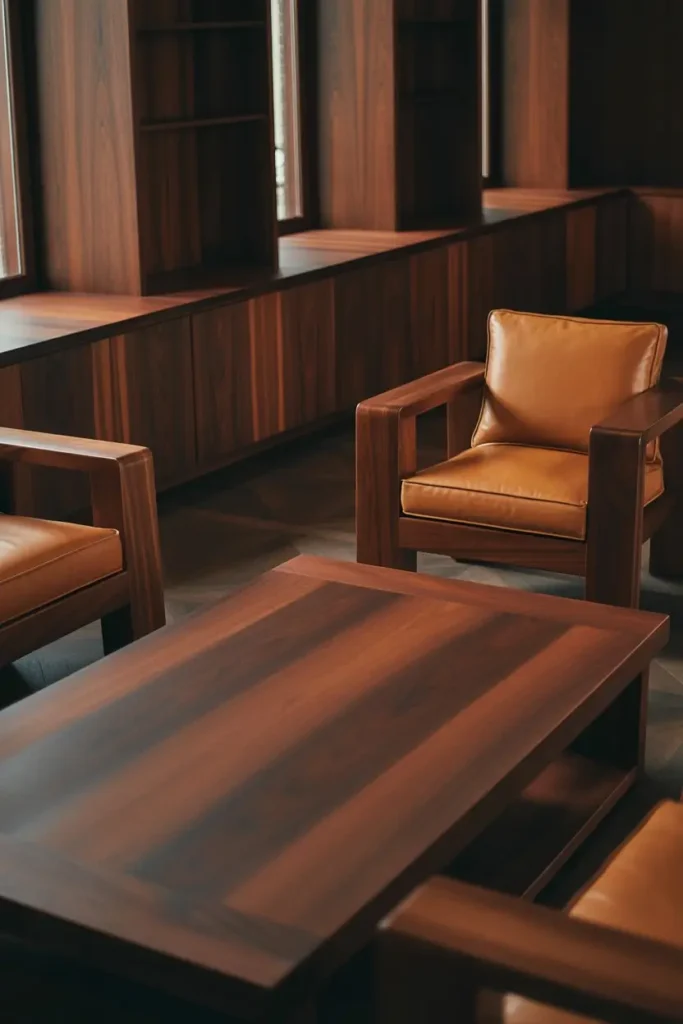
Furniture from the 1930s was built to last. You could feel the weight and strength in every piece. Dark wood like oak walnut or mahogany was popular. Coffee tables armchairs and cabinets often had smooth edges and simple lines. Nothing felt sharp or fragile. To recreate this look choose fewer pieces but make sure each one feels strong. Solid wood or wood look furniture adds instant character and makes the room feel grounded
3. Classic Fireplace as the Room Heart
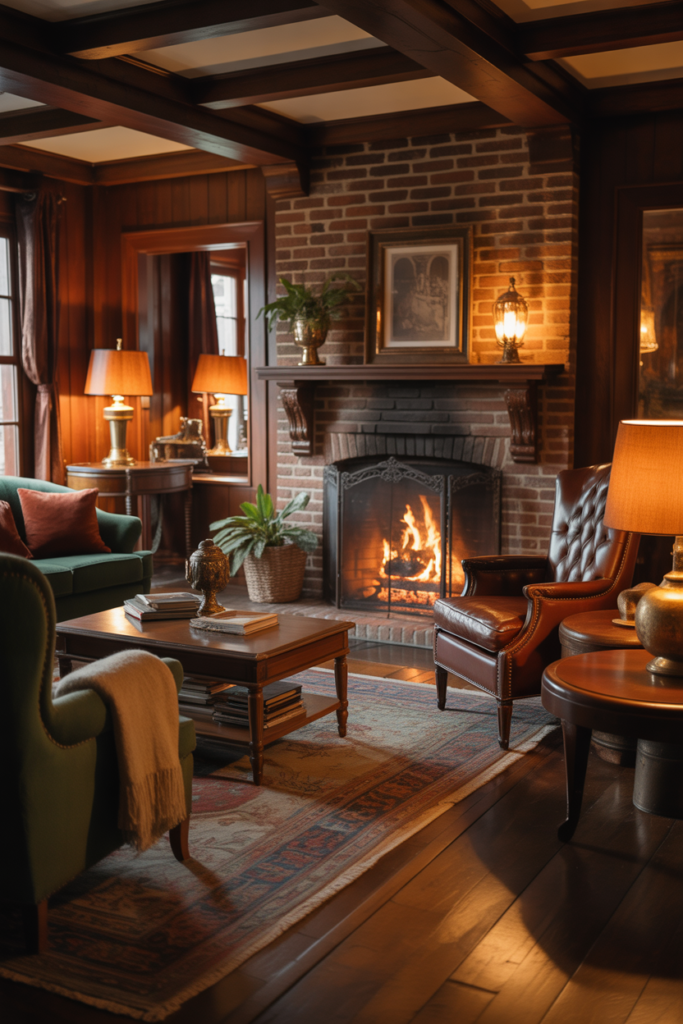
Many 1930s living rooms were designed around a fireplace. It was the heart of the home. Even if it was not used every day it gave the room balance. Brick stone or simple tile surrounds were common. Today a fireplace still brings that same feeling. If you have one keep the design simple. Avoid modern shine. Let the fireplace feel like it belongs to the house and not added later
4. Patterned Rugs That Anchor the Space
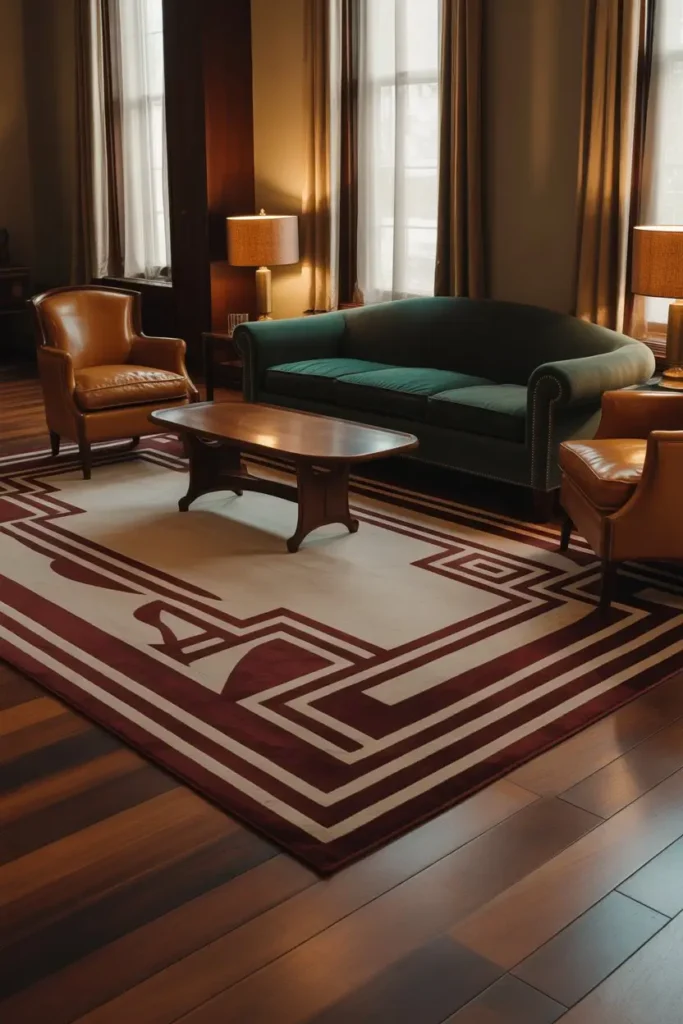
Rugs in the 1930s were bold but thoughtful. They often showed floral or geometric patterns inspired by nature. These rugs helped define the seating area and added warmth to wooden floors. A patterned rug today can do the same job. Choose colors that feel aged and soft. This grounds the room and makes furniture placement feel natural instead of floating
5. Upholstered Seating With Comfort First
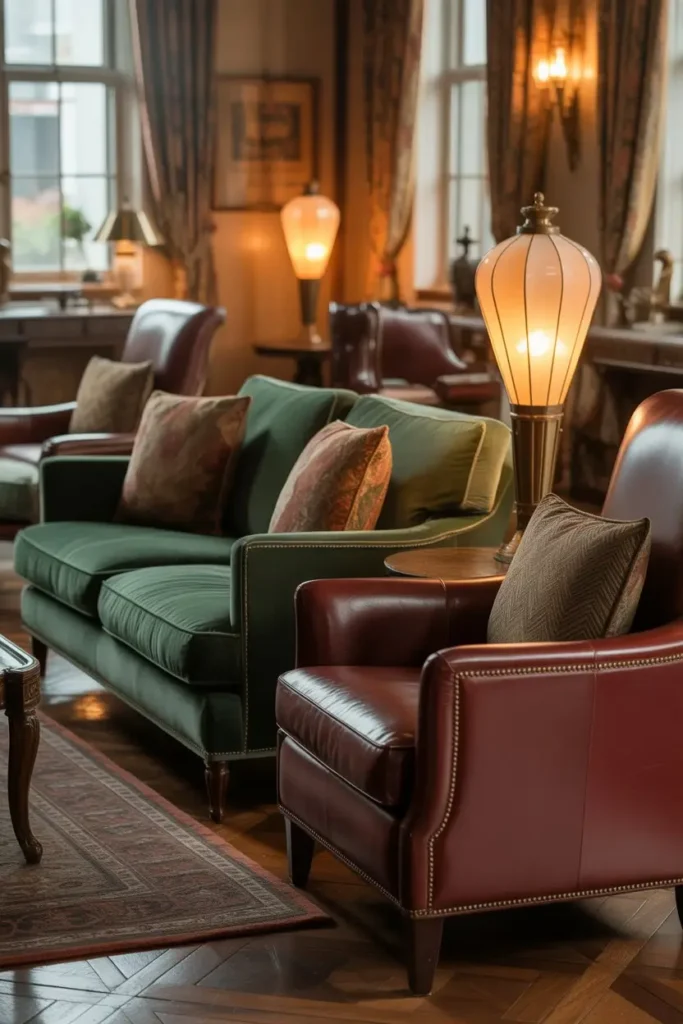
Comfort mattered deeply in 1930s homes. Sofas and chairs were made for long evenings and daily use. Upholstery often used fabric instead of leather. Patterns were subtle. Cushions were full and inviting. When selecting seating today focus on comfort before style. A sofa that looks perfect but feels stiff will never capture the true spirit of the era
6. Built In Shelving With Practical Beauty
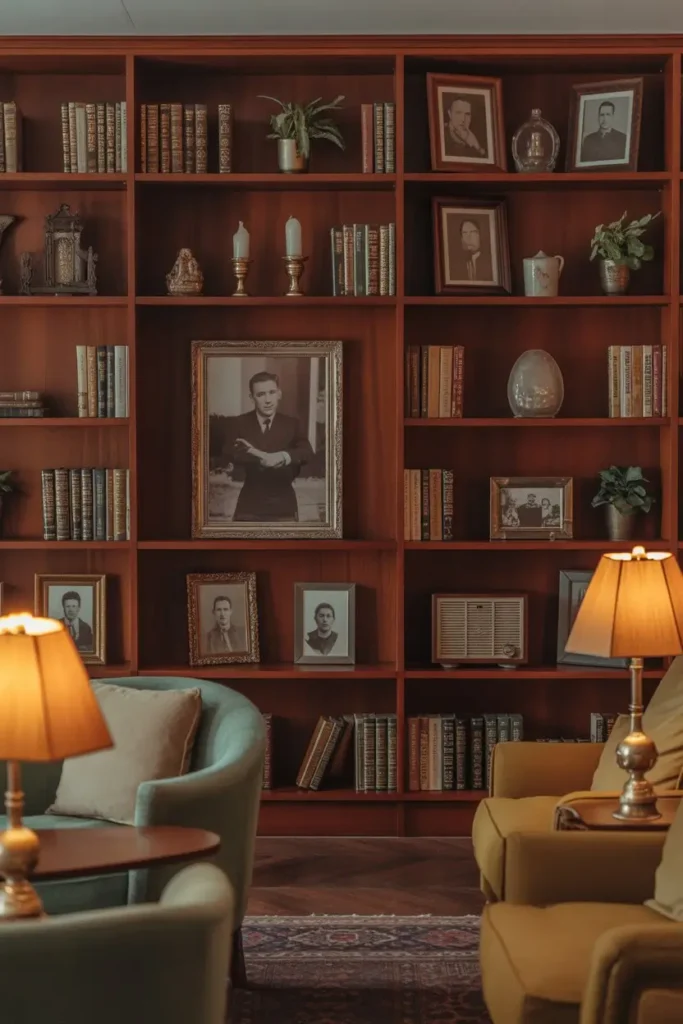
Built in shelves were common in many homes during this time. They saved space and felt intentional. These shelves often held books family photos and small decor pieces. Nothing felt cluttered. If your home has built ins highlight them. If not add shelves that look permanent. This creates storage while keeping the room calm and personal
7. Window Treatments That Filter Soft Light
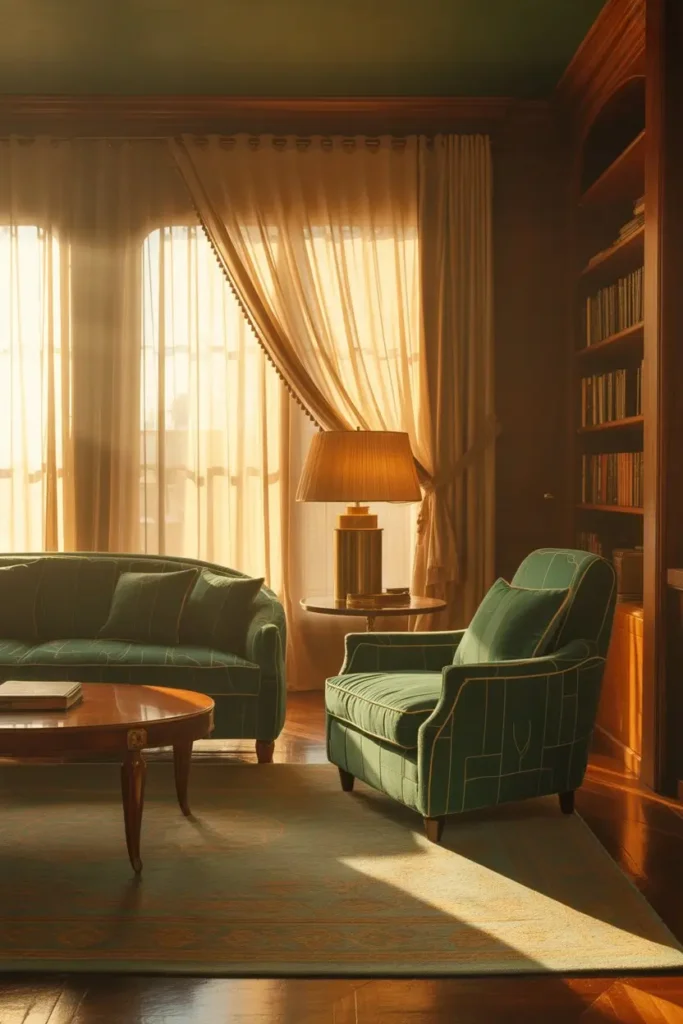
Natural light was valued but never harsh. Curtains were used to soften sunlight not block it. Sheer fabrics or light drapes were popular. Patterns stayed simple. To get this look choose curtains that allow light to pass through. This creates a gentle glow that makes the room feel warm and welcoming all day
8. Rounded Furniture Edges for a Gentle Look
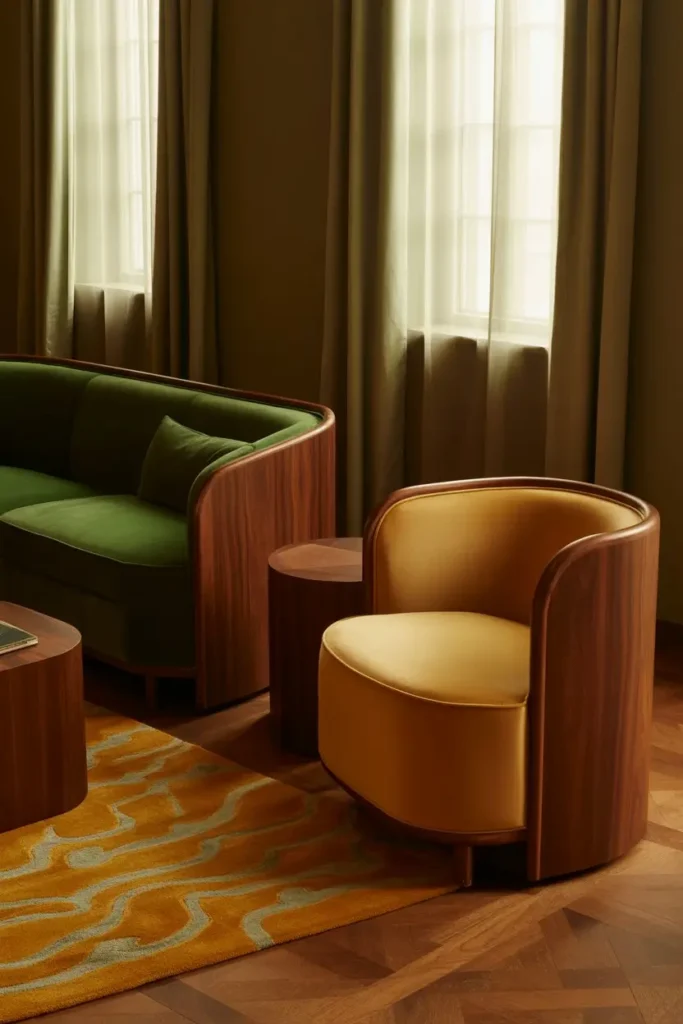
Sharp corners were less common in the 1930s living room. Many pieces had rounded arms curved legs or smooth edges. This made spaces feel softer and safer especially for families. Adding rounded shapes today helps remove the cold feel of modern design. Even one curved chair can change the mood of the whole room
9. Art That Tells a Quiet Story
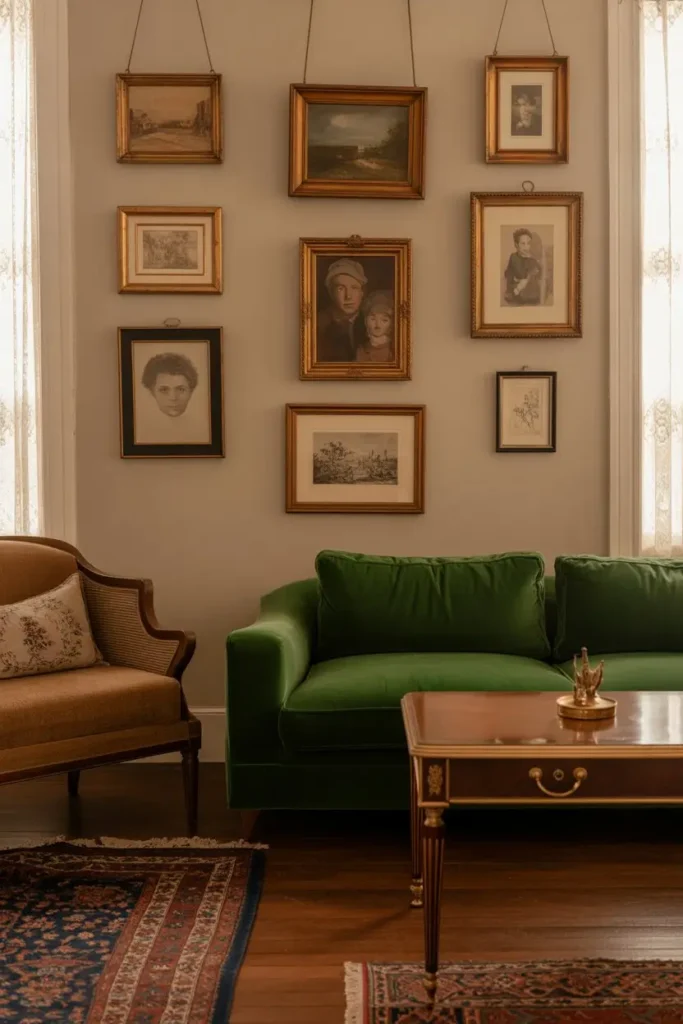
Artwork in the 1930s was personal and modest. Landscapes portraits and framed prints were popular. Art was not oversized or flashy. It blended into the room. Choose pieces that feel calm and meaningful. Hang them at eye level. This creates a lived in look that feels honest and timeless
10. Floor Lamps and Table Lamps With Warm Glow
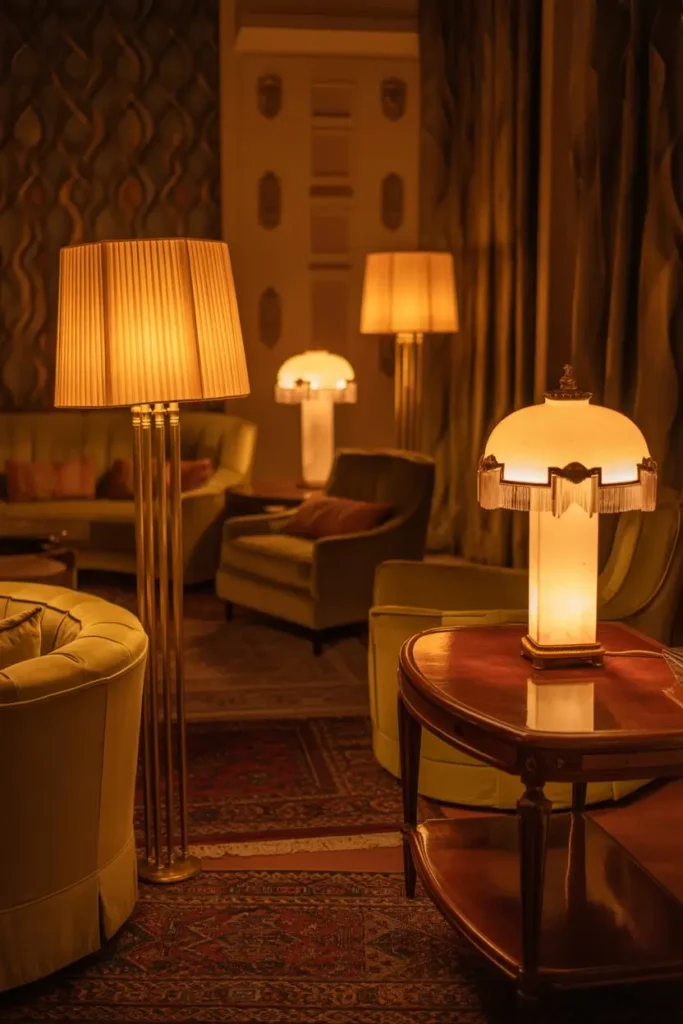
Lighting played a big role in setting mood. Overhead lights were often soft or used less. Table lamps and floor lamps created cozy corners. Shades were fabric or glass. Light felt warm not bright white. To recreate this layer your lighting. Use lamps to guide the eye and make the room feel inviting at night
11. Symmetry That Feels Balanced Not Stiff
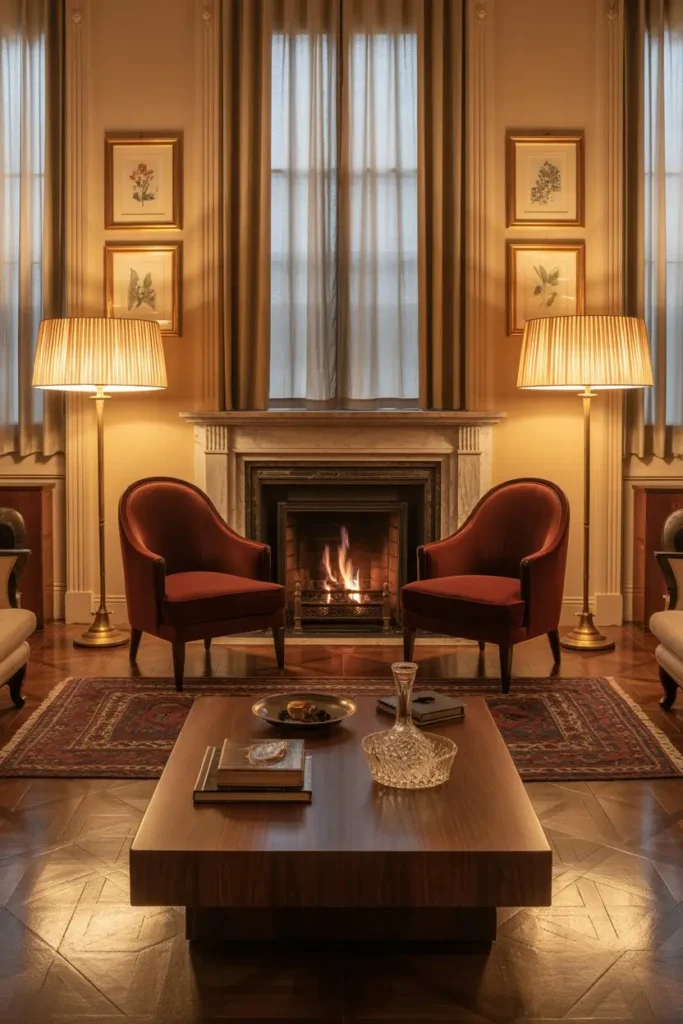
Many 1930s living rooms used symmetry to create order. Matching chairs or lamps were common. This gave rooms a calm and organized feel. The key is balance not perfection. Aim for visual harmony without making the space feel staged. Small differences keep the room human
12. Decorative Trim and Molding Details
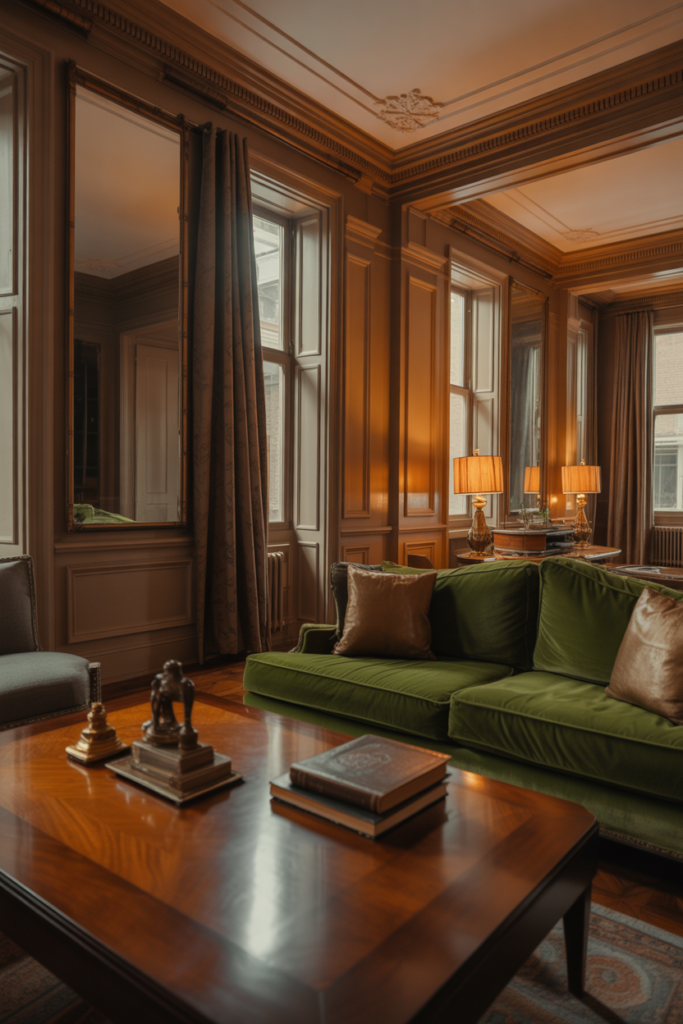
Trim work was an important feature of homes from this era. Crown molding baseboards and simple wall panels added depth. These details made rooms feel finished and cared for. If your home has original trim highlight it with paint that matches the period. If not adding simple molding can still bring that classic touch
13. Coffee Tables With Storage Purpose
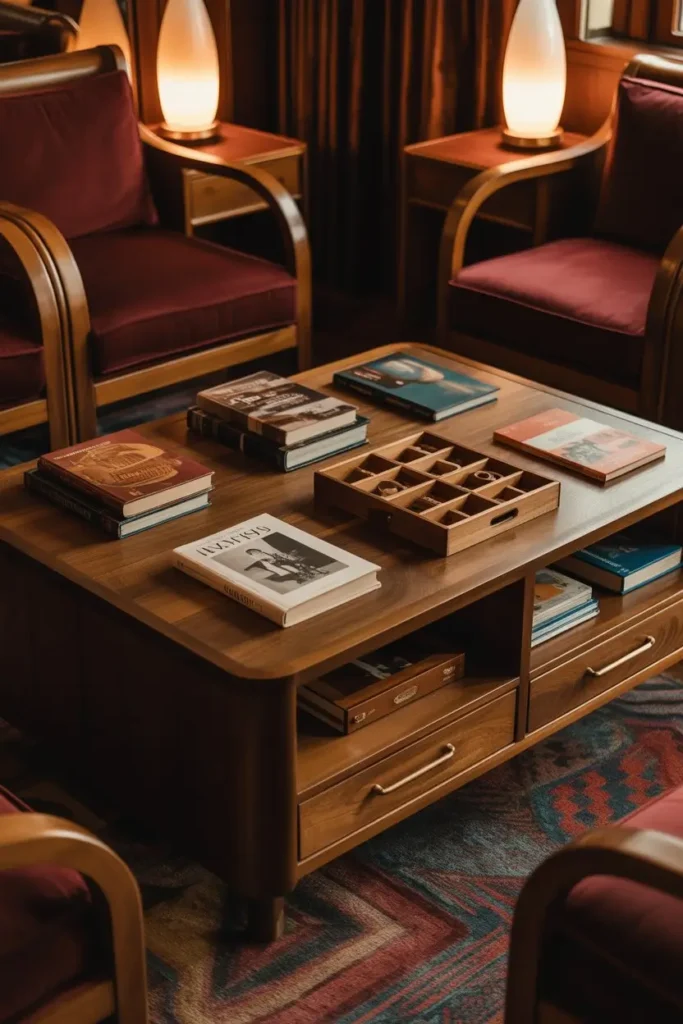
Living rooms were practical spaces. Coffee tables often had shelves or drawers. They held books games or magazines. This kept clutter out of sight. Choose a table that offers storage and weight. This reflects how rooms were actually used and keeps the space tidy
14. Muted Accent Colors for Depth
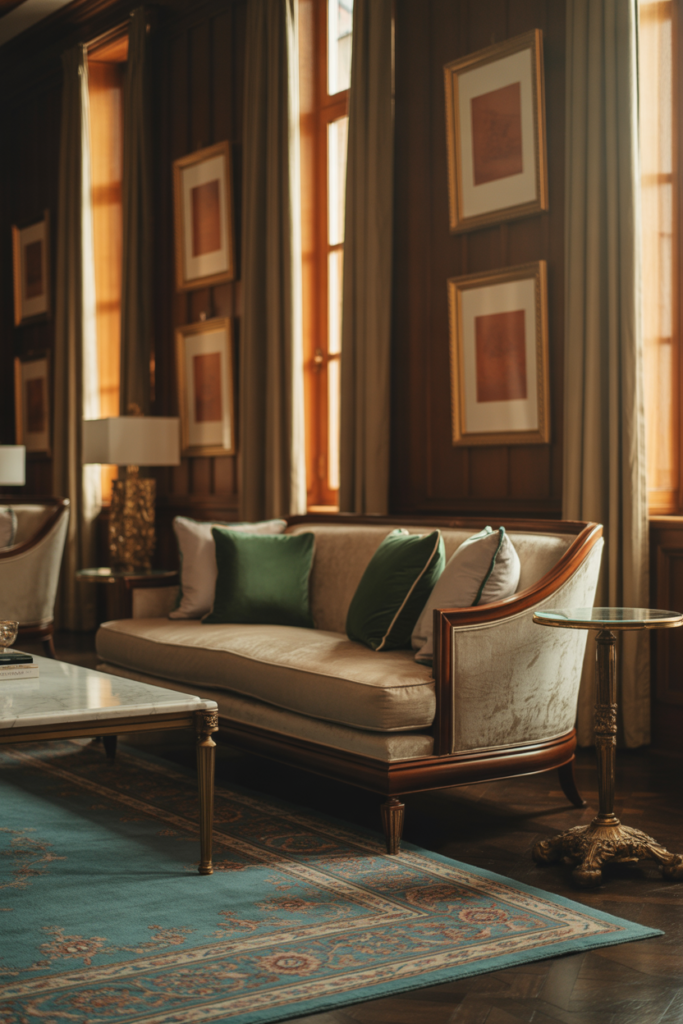
While base colors stayed neutral accent colors added life. Deep green dusty blue soft rust and warm gold were common. These shades showed up in pillows rugs or art. Use accent colors sparingly. This keeps the room calm while adding depth and personality
15. Personal Items Displayed With Care
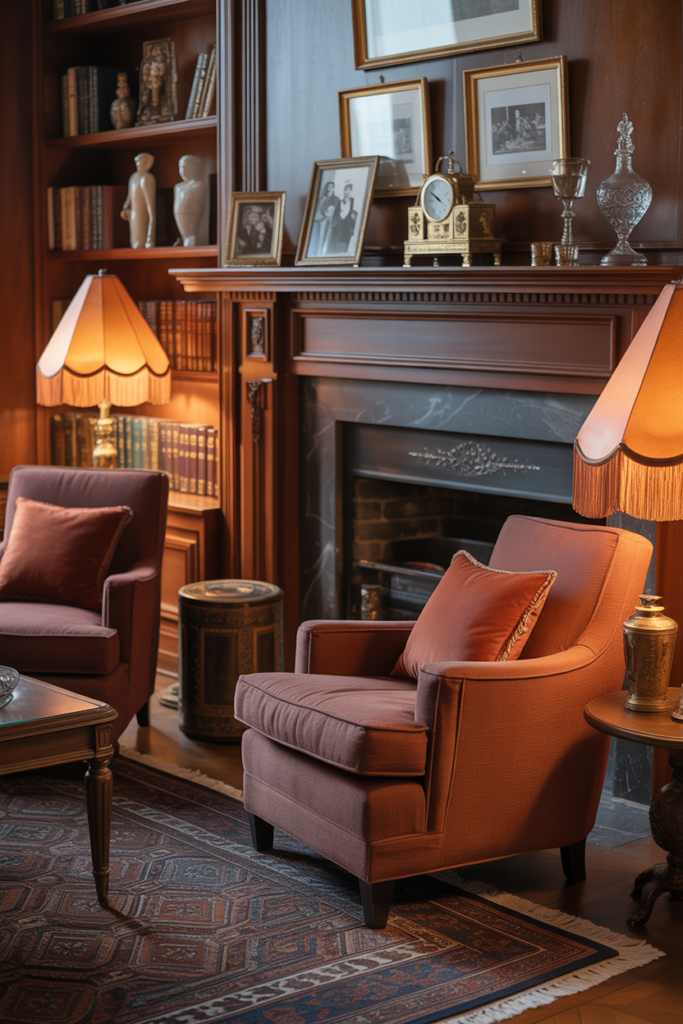
Homes in the 1930s felt personal. Family photos heirlooms and travel pieces were displayed with intention. They were not scattered everywhere. Choose a few meaningful items and give them space. This tells a story and makes the room feel real not styled
16. Flooring That Feels Natural and Durable
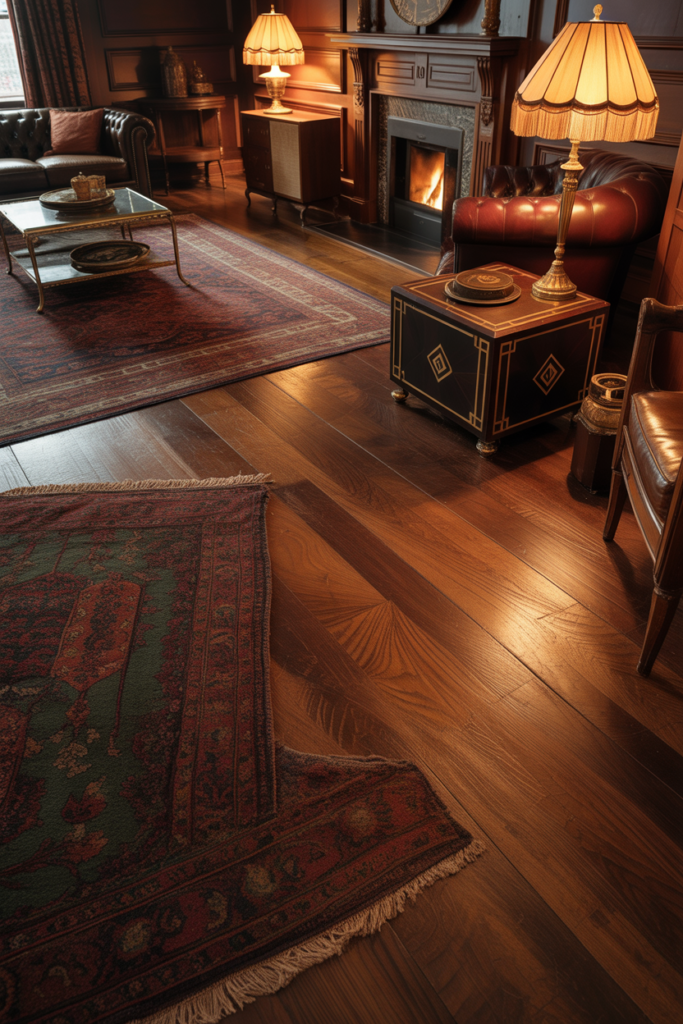
Hardwood floors were common and often left visible. Rugs were added for comfort. If you have wood floors let them show. If not choose flooring that looks natural and strong. This supports the timeless feel of the space and ages well over time
17. A Layout Made for Conversation
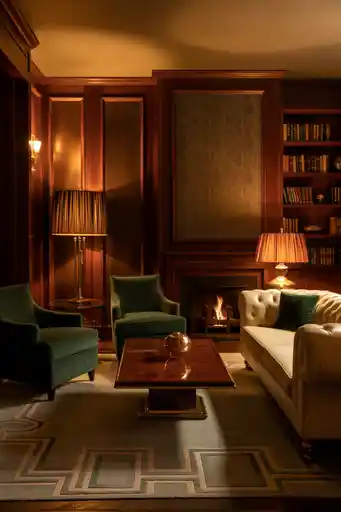
The layout of a 1930s living room encouraged talking and togetherness. Seating faced each other. Nothing was pushed too far apart. Arrange furniture so people can sit and speak easily. This simple shift changes how the room feels and how it is used every day
18. A Sense of Calm That Never Feels Empty
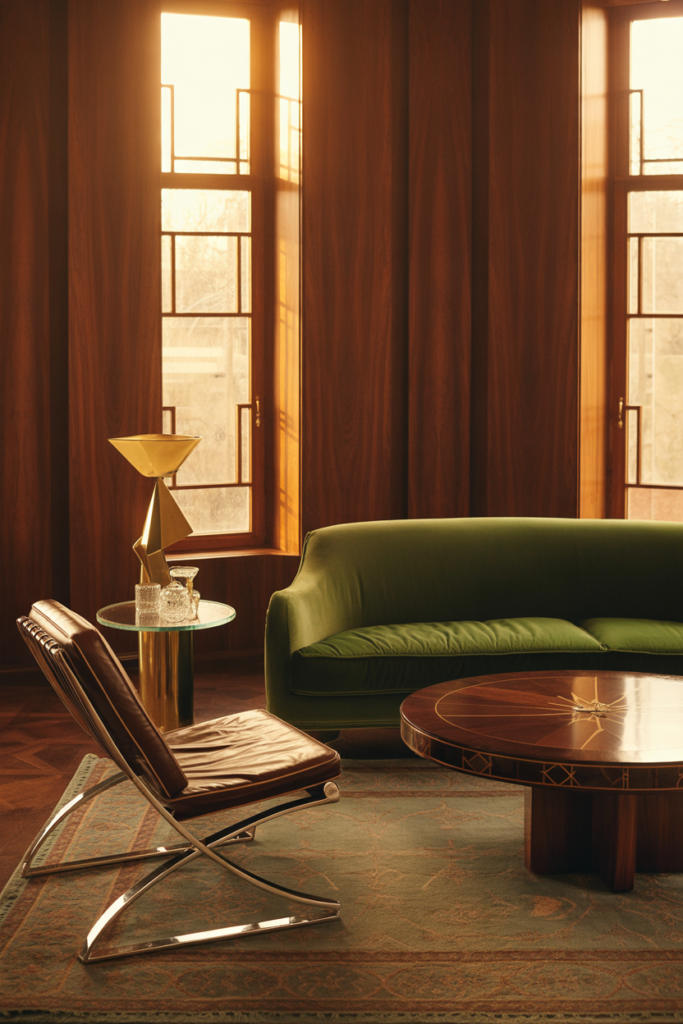
The final and most important idea is feeling. A true 1930s living room feels calm full and warm at once. It is not crowded but never empty. Every piece has a reason to be there. When you finish decorating step back and remove anything that feels extra. What remains should feel natural and comforting
FAQs
Final Thought
A 1930s living room is not about copying the past. It is about learning from it. These homes were designed for real life comfort and lasting beauty. By choosing warm colors solid furniture and thoughtful layout you create a space that feels calm and timeless. This style never chases trends. It simply works and that is why it still feels right today