13+ Inspiring Deck Framing Ideas for Your Home
Introduction
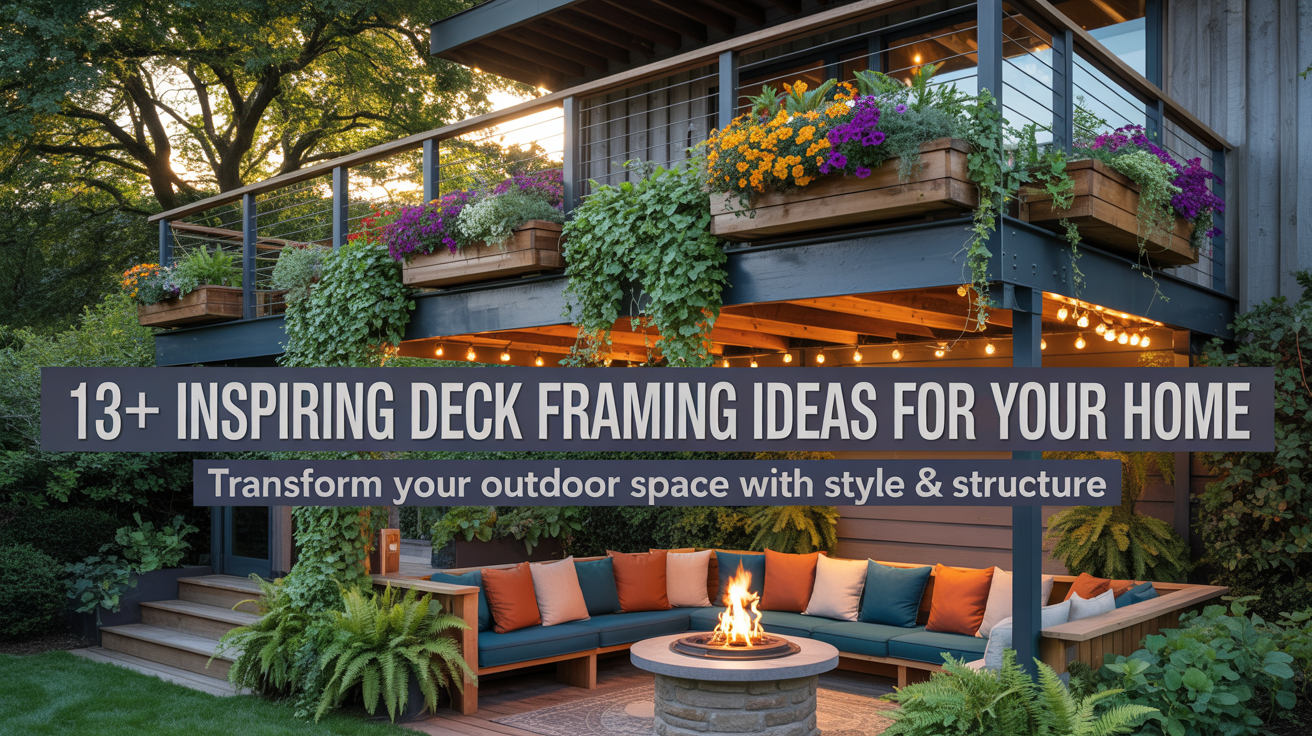
A deck is more than a wooden floor outside a house. It is a space for morning coffee, weekend BBQs, and peaceful evenings under the sky. The way a deck is framed decides how strong, stylish, and long-lasting it will be. Deck framing is the hidden hero of design—it supports everything above and adds shape and flow to outdoor living. Choosing the right framing style can change the look and feel of your home, whether the goal is rustic charm or modern luxury. Let’s explore inspiring ideas that turn simple decks into timeless masterpieces.
1. Classic Pressure-Treated Lumber Framing

Pressure-treated lumber remains a favorite choice for strength and reliability. It stands against moisture, termites, and time. When properly sealed and spaced, this type of framing offers years of stability. Builders often use it because it’s easy to cut, affordable, and blends well with any surface finish. For homeowners, it means peace of mind knowing the deck can handle heavy use and harsh weather. The key is to inspect and reseal it every couple of years to maintain its natural beauty and strength.
2. Steel Frame for Modern Durability

Steel framing brings a sleek, strong, and modern feel to any deck. It doesn’t twist, shrink, or rot like wood, which keeps it perfectly aligned over time. Homeowners who prefer long-lasting solutions often choose steel for low-maintenance outdoor spaces. The clean lines also match well with composite or PVC decking boards. Though it costs more upfront, it saves money in maintenance and repair. Steel frames are ideal for large decks, multi-level designs, or homes in humid or coastal climates.
3. Composite Framing for Sustainable Style

Composite framing mixes recycled wood fibers and plastic for a green and modern choice. It resists fading, warping, and insects, keeping your deck solid for decades. This option fits well for homeowners looking to build once and enjoy forever. It also complements composite decking boards perfectly for a smooth, unified look. Composite frames work best in areas with extreme temperatures or moisture because they stay stable when the weather changes.
4. Floating Deck Framing for Easy Installation

A floating deck sits right on the ground, built without digging deep footings. It’s great for small yards or rental homes where permanent construction isn’t ideal. The frame rests on concrete blocks or pads, making it flexible and easy to move or extend. Despite its simple setup, it looks elegant when finished with clean borders and matching steps. A floating deck gives any garden a quick upgrade without the hassle of permits or deep digging.
5. Elevated Deck Framing for Scenic Views

Elevated decks are perfect for sloped yards or homes with beautiful views. The frame sits on strong posts, lifting the deck above ground level. This design adds both height and function, allowing space underneath for storage or shade. The framing must be well-planned to handle extra wind and load. Proper bracing keeps everything firm and balanced. Elevated decks make any home look grand, offering space to relax while enjoying open surroundings.
6. Multi-Level Deck Framing for Dynamic Design
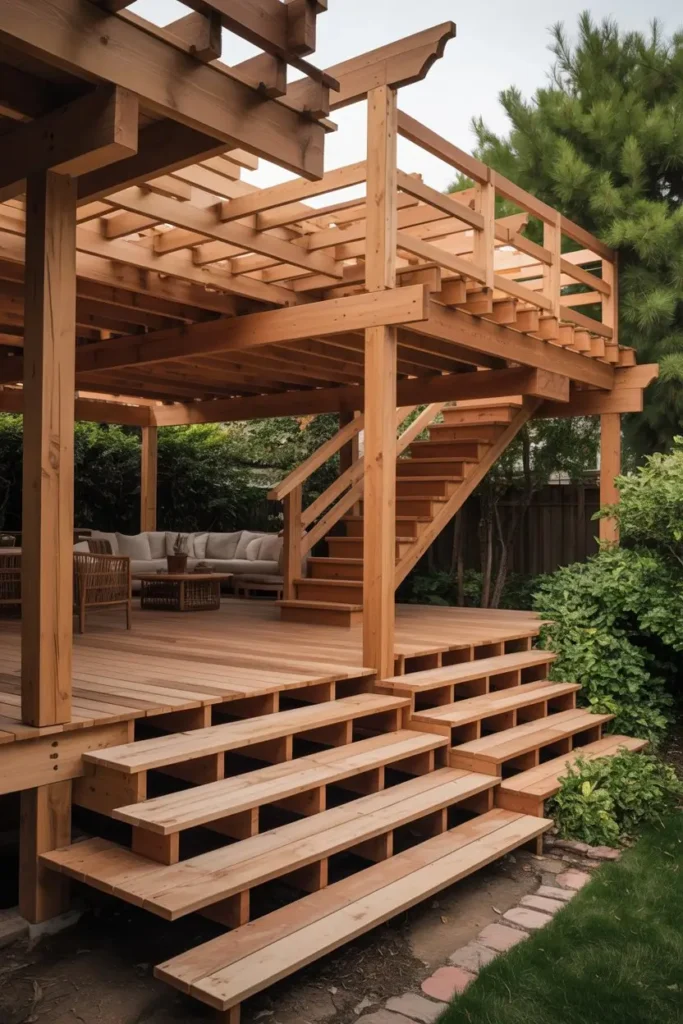
Multi-level decks bring dimension and flow to outdoor spaces. Each level can serve a purpose—dining, lounging, or a hot tub area. The framing must be carefully designed so the structure supports varied heights while staying connected. It’s a creative way to make small yards feel larger. By mixing heights and angles, a deck becomes more than a floor—it becomes a landscape feature that invites movement and life.
7. Curved Deck Framing for Unique Shapes
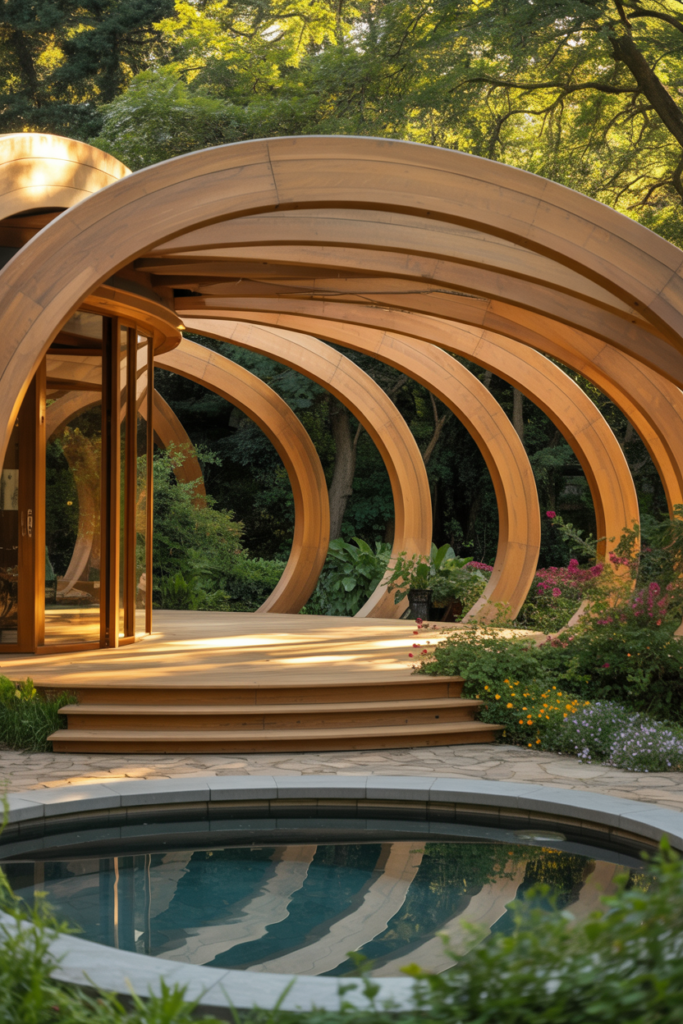
Curved framing adds soft, natural flow to any backyard. Builders use flexible materials or steel framing to shape gentle curves. This idea breaks away from straight lines, creating decks that feel artistic and organic. Curved edges pair beautifully with gardens, pools, or circular patios. Though it takes more skill and planning, the result stands out as a true statement piece of craftsmanship and design.
8. Cantilevered Deck Framing for Floating Appeal
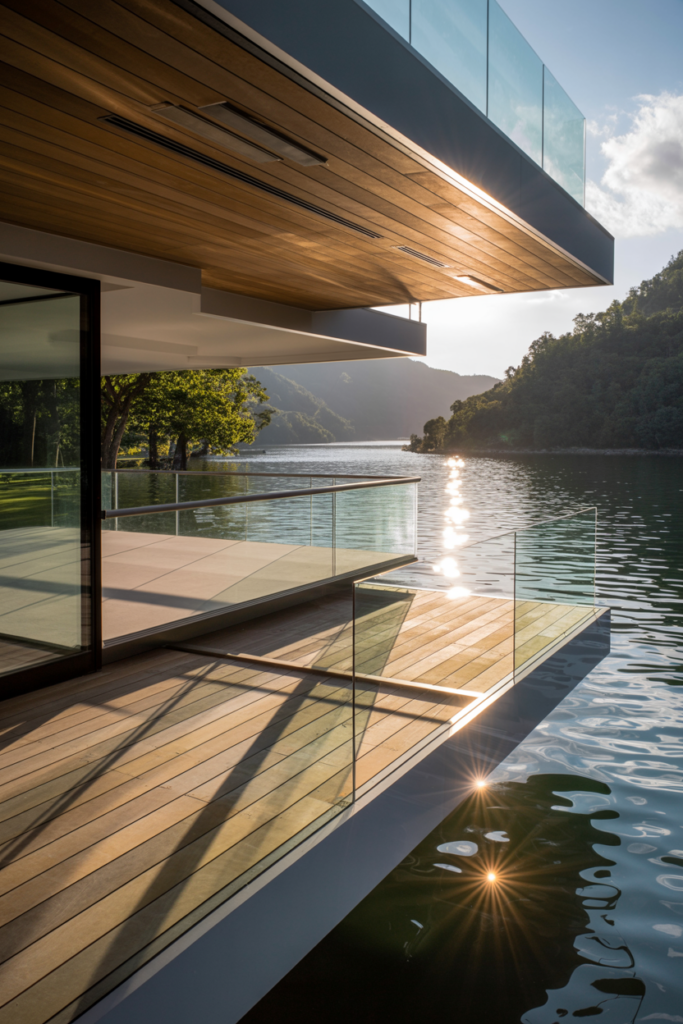
Cantilevered decks extend past their posts or beams, appearing to float in air. This design brings a sleek, modern aesthetic and saves ground space. The framing uses careful engineering so the overhang stays stable and secure. Perfect for lakefront or hillside homes, this idea gives a feeling of lightness and luxury. The invisible support beneath makes it one of the most visually stunning options.
9. Hidden Framing for a Clean, Seamless Look
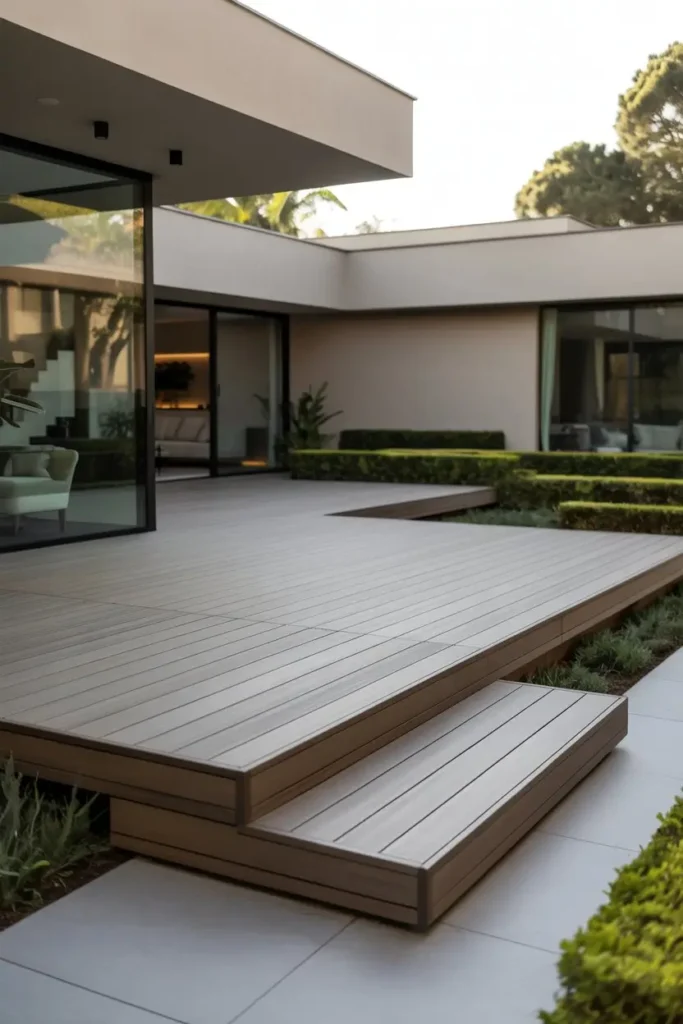
Hidden framing keeps structural elements out of sight, creating a sleek, uninterrupted surface. Builders often recess the joists and beams or use hidden brackets to achieve this smooth effect. It’s ideal for minimalist homes or decks with premium finishes. This framing style enhances safety by reducing exposed edges and improves the visual flow of modern spaces. The result is a refined deck that feels like part of the home rather than an add-on.
10. Picture Frame Border Deck Framing

Picture framing outlines the deck with a contrasting border, giving it a polished, finished look. This technique uses outer boards to frame the main decking area, similar to a photo frame. The result looks organized and tailored, drawing attention to the space’s shape. It also hides board ends, protecting them from moisture. Picture framing can elevate any simple design, making it appear more professional and inviting.
11. Built-In Seating Deck Frame Integration

Integrating built-in seating into the frame adds comfort and saves space. Benches can attach directly to the framing, creating smooth transitions and strong support. This design keeps furniture from cluttering the deck and blends style with practicality. It’s great for families who love outdoor gatherings, offering durable, easy-to-clean seating that lasts as long as the deck itself. Framed seating also enhances safety by acting as a barrier at deck edges.
12. Pergola-Supported Deck Framing
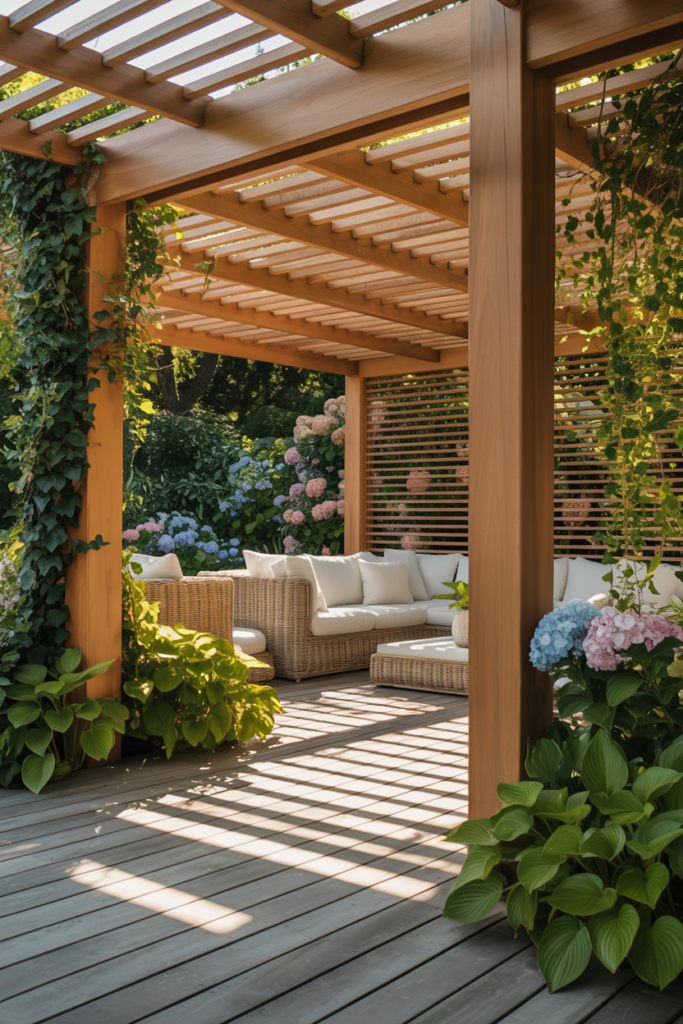
Combining a pergola with deck framing creates both shade and style. The posts of the pergola can attach directly to the frame for extra strength. This pairing makes outdoor spaces usable even in strong sunlight. A pergola deck feels cozy yet open, turning a simple area into a garden retreat. Whether made of wood or metal, it enhances aesthetics while keeping the structure unified and well-balanced.
13. Enclosed Skirting and Framed Storage Area

Deck skirting hides the underside of a deck while adding beauty and function. Framing this area with treated panels or lattice turns it into storage for tools or garden supplies. It also keeps animals from nesting beneath. A framed enclosure can match the deck’s color, creating harmony with the overall design. It gives a finished touch, making the deck look complete from every angle.
14. Lighting-Integrated Framing

Adding lighting to the frame gives decks a warm glow at night. Builders often install LED strips or recessed fixtures into joists or steps. This approach keeps wires hidden and safe while creating ambiance. It also increases safety by lighting paths and stairs. Lighting-integrated framing transforms outdoor areas into evening-friendly lounges where family and friends can relax comfortably after sunset.
Conclusion
Deck framing defines not just structure but soul. Each type offers something unique—whether timeless wood charm, futuristic steel precision, or eco-friendly composite calm. With careful design, even the simplest backyard can become an extension of the home, a personal retreat full of warmth and purpose. Choosing the right frame ensures beauty, balance, and long-lasting joy.