Guide to Interior Design Principles: A Comprehensive Breakdown
Introduction
Interior design is more than decorating a room. It is the art of shaping how a space feels and works for the people who live in it. Every choice, from wall color to furniture layout, affects mood, comfort, and harmony. Knowing the core design principles helps create rooms that look good and feel right. This guide breaks down the most important ideas professionals use to design spaces that inspire and function with ease.
1. Balance in Design: Creating Harmony Through Space
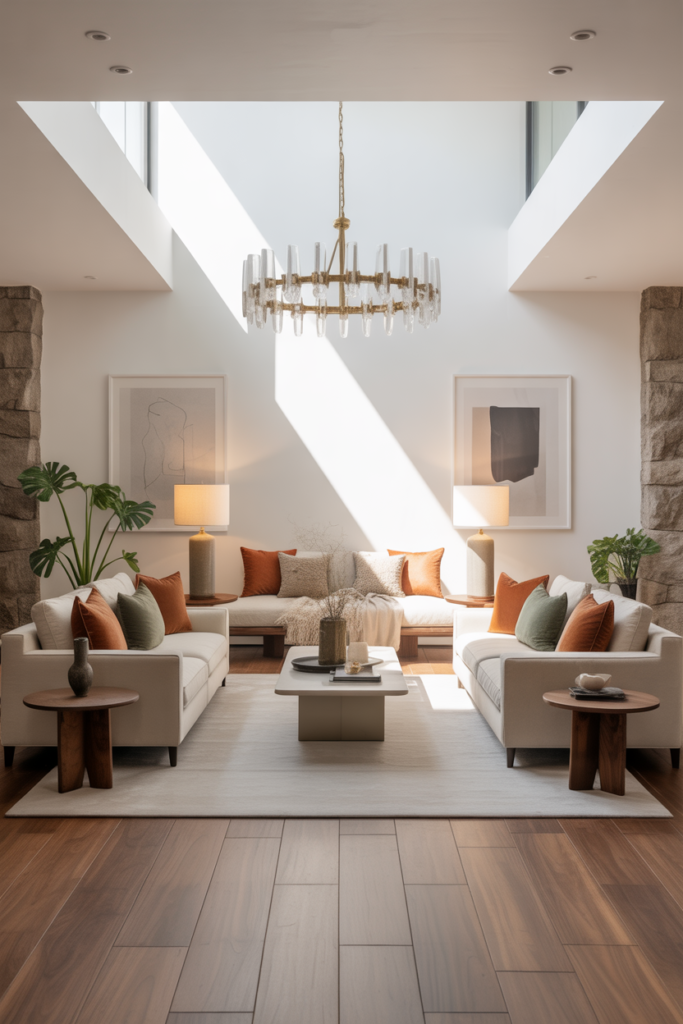
Balance is the foundation of good design. It ensures that no part of a room feels too heavy or too light. Visual weight comes from color, texture, shape, and size. When these elements are evenly spread, the space feels calm and natural. There are three main types of balance: symmetrical, asymmetrical, and radial. Symmetrical balance gives a formal and steady look often used in traditional rooms. Asymmetrical balance feels more relaxed and modern while still maintaining visual harmony. Radial balance builds around a central point like a round table or chandelier. Understanding these types helps create a natural rhythm that brings comfort and flow to any room.
2. Rhythm and Flow: Guiding the Eye Gracefully
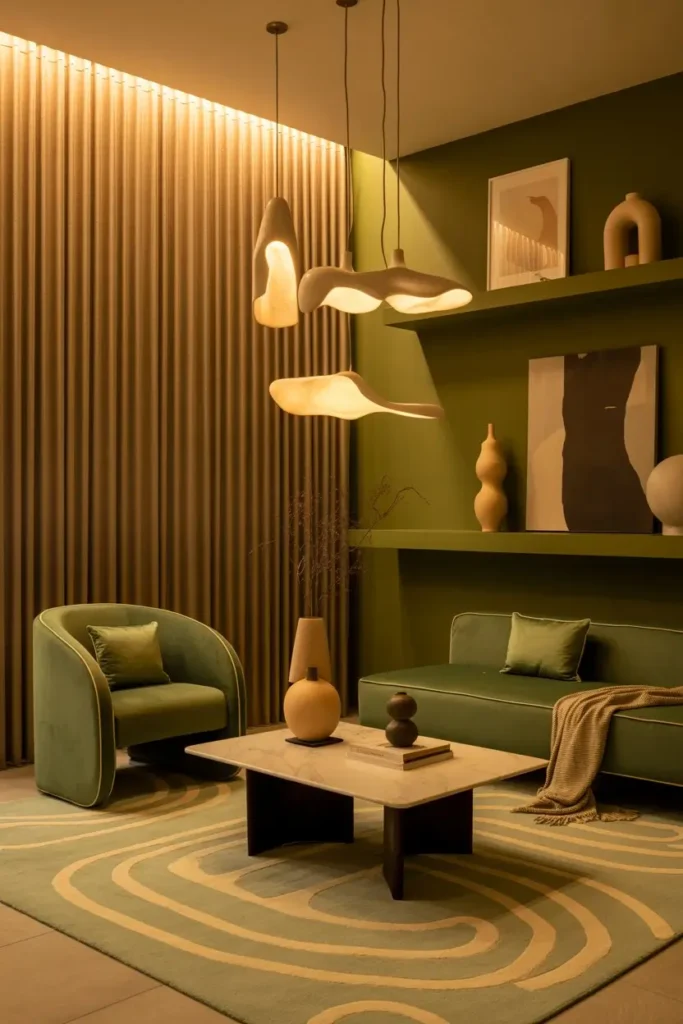
Rhythm in interior design works like rhythm in music. It leads the eye around a space smoothly. This happens when shapes, colors, and patterns repeat or alternate in a room. A simple way to create rhythm is by using one accent color in different spots or repeating a shape in furniture and lighting. The goal is to keep the viewer’s attention moving without feeling overwhelmed. Rhythm brings unity and makes spaces feel complete and alive.
3. Emphasis: Highlighting the Focal Point

Every room needs a focal point, the spot that draws the eye first. It could be a fireplace, a large window, a piece of art, or a statement furniture piece. Emphasis gives a room purpose and direction. Designers build around that point using lighting, contrast, or placement. For example, if a room has a large window with a view, arranging furniture to face it strengthens that natural focus. Without emphasis, a space can feel scattered or confusing. With it, the design feels intentional and grounded.
4. Contrast: Making the Design Come Alive

Contrast brings excitement and depth to a room. It happens when two or more opposing elements work together such as light and dark colors, rough and smooth textures, or straight and curved lines. Contrast helps highlight features and prevent monotony. For instance, pairing a matte wall with glossy tiles creates visual interest. The trick is to keep contrast balanced so that it enhances rather than competes. Proper contrast adds drama without chaos and energy without clutter.
5. Scale and Proportion: Getting the Size Just Right

Scale and proportion control how comfortable a room feels. Scale refers to how large or small something is in relation to the space, while proportion is how elements relate to each other. A tall ceiling can handle large furniture, but small rooms need lighter, lower pieces. When scale and proportion are off, even beautiful pieces can look awkward. The golden rule of design, often linked to nature, helps maintain proportion naturally. By keeping visual relationships balanced, rooms feel both inviting and correctly sized.
6. Unity and Harmony: Building a Cohesive Design

Unity means everything in a space feels like it belongs together. Harmony ensures that colors, materials, and styles support one another. When unity and harmony work well, a room feels complete and peaceful. This does not mean everything must match perfectly. Small variations in tone, texture, or shape add character while maintaining cohesion. Designers achieve harmony by repeating certain themes such as color families or material choices throughout the home. The result is a space that feels connected from room to room.
7. Light and Shadow: The Soul of Every Room
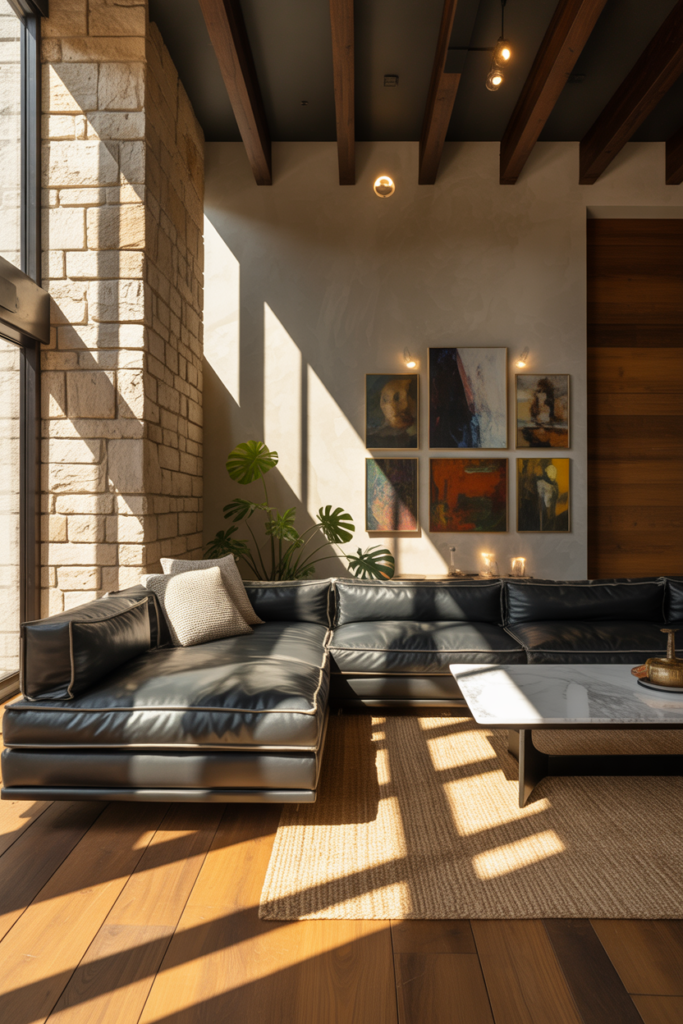
Lighting defines how a room looks and feels. It shapes depth, highlights color, and sets mood. Natural light brings warmth and freshness, while artificial light adds control and creativity. A mix of ambient, task, and accent lighting creates layers that make spaces more dynamic. Light can emphasize texture, enlarge space visually, or make details pop. Shadows, when used wisely, bring contrast and mystery. Mastering light and shadow turns ordinary rooms into living works of art.
8. Color Psychology: Painting with Emotion
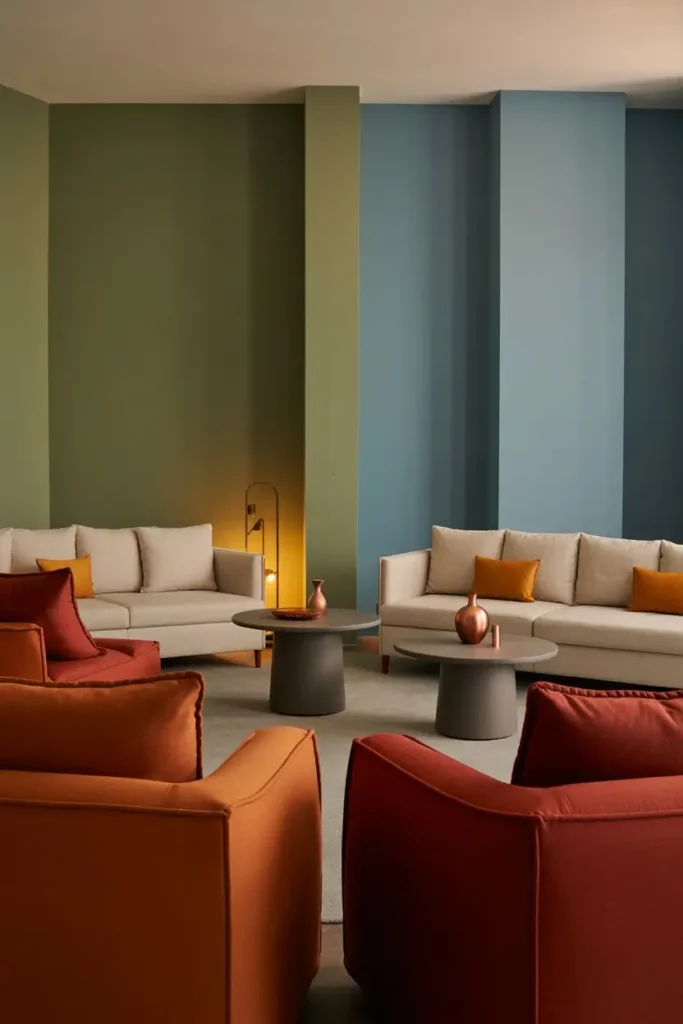
Color affects the way people think and feel. Warm tones like red and orange bring energy and closeness. Cool shades like blue and green calm the mind and open space visually. Neutral colors such as beige or gray offer balance and timelessness. The secret to successful color use lies in combining shades that reflect the desired mood. Designers often use a 60-30-10 rule: sixty percent main color, thirty percent secondary, and ten percent accent. This natural balance keeps rooms interesting yet restful.
9. Texture and Pattern: Adding Depth and Dimension

Texture and pattern make interiors feel alive. Smooth surfaces reflect light and feel sleek, while rough textures absorb light and add coziness. Patterns tell stories through shapes and movement. A well-chosen pattern can express personality or connect one space to another. The combination of various textures—wood, metal, fabric, and stone—creates richness. The right mix turns flat designs into tactile experiences that invite touch and curiosity.
10. Functionality: Where Beauty Meets Purpose

Design must serve the people who use it. Functionality ensures comfort, movement, and efficiency. Every piece of furniture and decor should have a reason to be there. A beautiful chair that no one can sit in fails the test of good design. Functionality also means planning traffic flow and storage smartly. A well-designed home makes daily life easier and more pleasant. True elegance comes from spaces that look beautiful and work perfectly.
11. Space Planning: Designing with Purpose
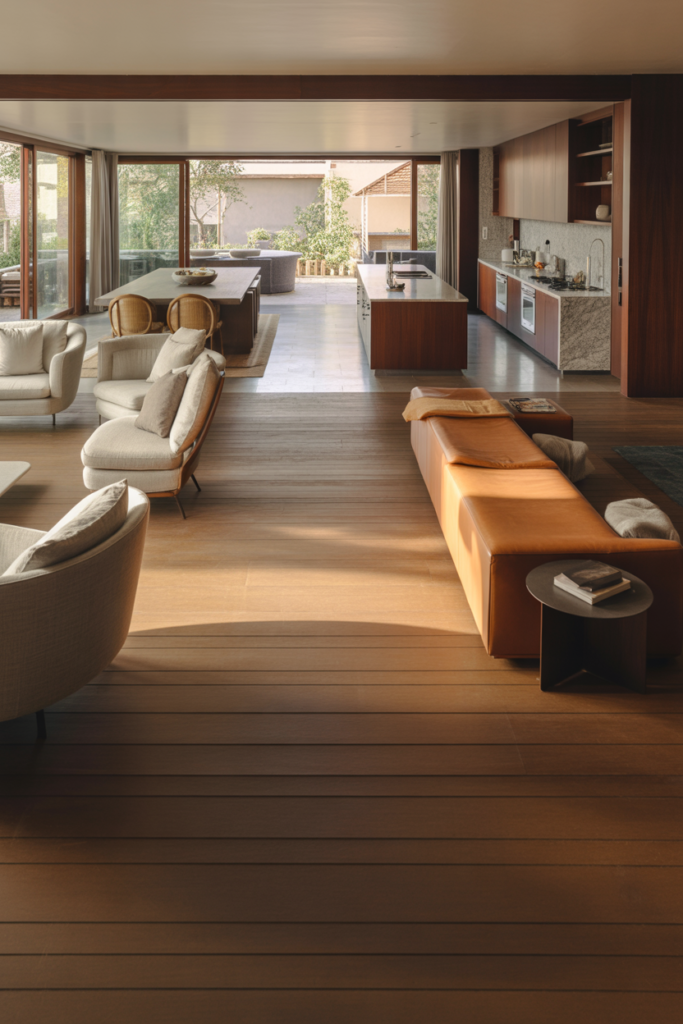
Space planning organizes how people move and interact within a room. It starts with understanding how the space will be used. A good plan considers entry points, furniture arrangement, and walking paths. In living rooms, seating should support conversation. In kitchens, the layout should follow a logical flow for cooking and cleaning. Good space planning prevents clutter and improves comfort. It ensures every inch of a room has a role without feeling crowded.
12. Style Consistency: Defining a Visual Language
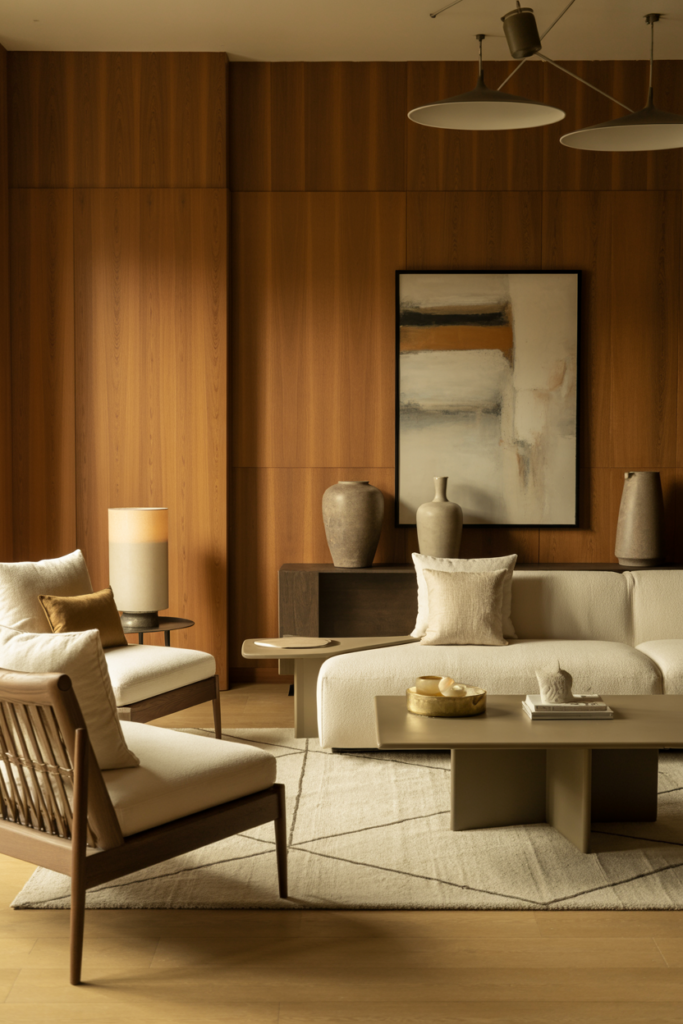
Style consistency creates identity. Whether modern, rustic, minimalist, or traditional, sticking to one design language keeps the look focused. Mixing styles is possible but should be done with care and intention. The key is to find a visual thread that connects every element such as color tone or material type. A consistent style helps the space tell one clear story and makes decorating decisions easier over time.
13. Personalization: Making Spaces Feel Alive
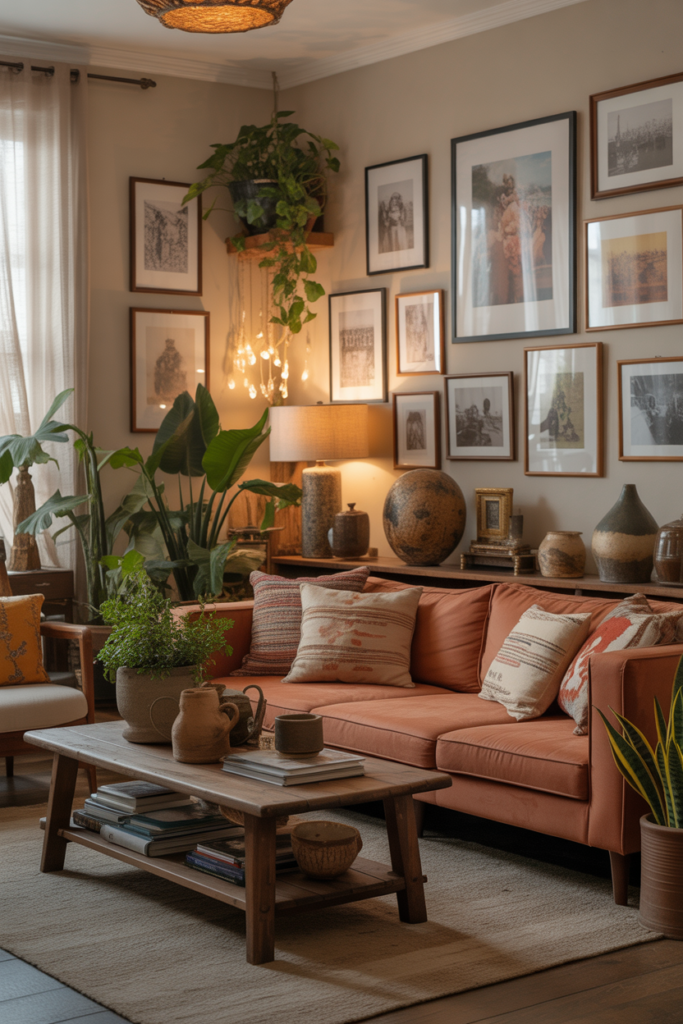
While design principles guide structure, personality brings warmth. A home reflects the life and taste of its owner. Personal touches like art, memories, or travel pieces make a space unique. The goal is to balance self-expression with order. Too many personal items can create clutter, while too few can make a room feel cold. A personalized design speaks without words and turns a house into a home.
Final Thoughts
Interior design is not just about decoration. It is about building harmony between space, purpose, and emotion. When guided by these principles, any home can become a place that balances beauty and comfort. Each element—light, color, texture, and proportion—works together to create environments that support how people live and feel every day. True design mastery lies in creating spaces that not only please the eye but also touch the heart.