Deep Dive into Kitchen Ergonomics and Layout Planning: A Professional Guide
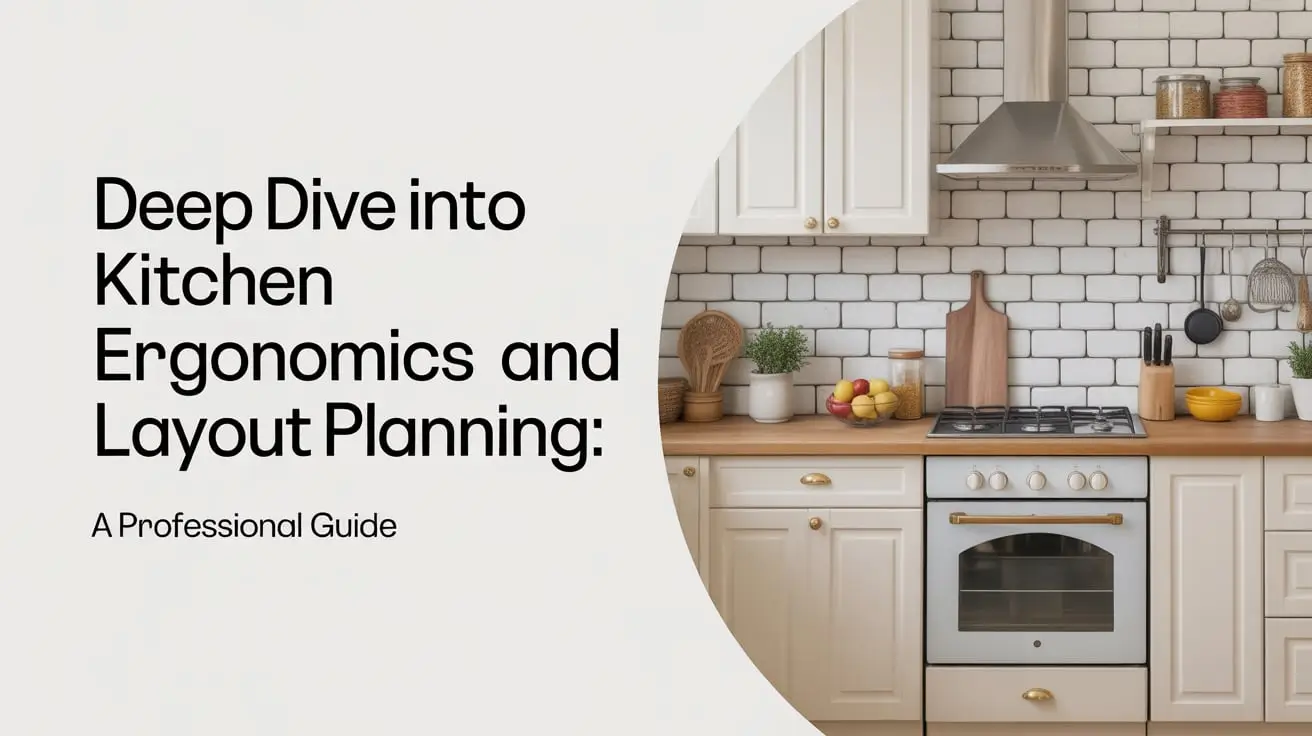
Designing a kitchen that is both functional and comfortable is more than choosing the right cabinets and appliances. After over twenty years in kitchen design and interior planning, I have seen firsthand how thoughtful ergonomics and strategic layout can transform a simple cooking space into a productive and enjoyable environment. A well-designed kitchen reduces strain, increases efficiency, and creates a natural flow for anyone cooking, cleaning, or entertaining.
1 Understanding Kitchen Ergonomics and Its Importance
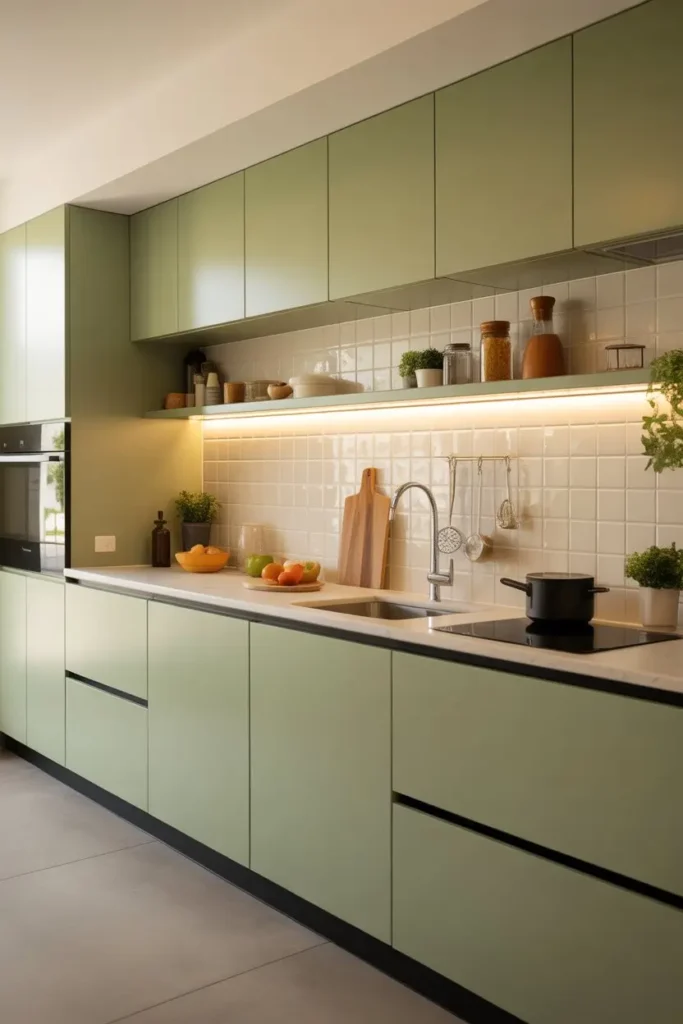
Ergonomics in the kitchen is about making the space work for the people who use it. It is the study of how humans interact with their environment and tools in ways that reduce strain, fatigue, and injury. Many homeowners overlook this aspect and focus only on style, but a kitchen that is not ergonomic can lead to discomfort, back pain, and inefficient workflow. The main goal is to align the layout and design with natural human movements so that cooking becomes easier and more enjoyable. Proper counter height, accessible storage, and placement of appliances are essential elements that make a kitchen intuitive and comfortable. An ergonomic kitchen does not just feel good to work in but also improves productivity and safety.
2 Optimal Kitchen Layout Planning for Maximum Efficiency
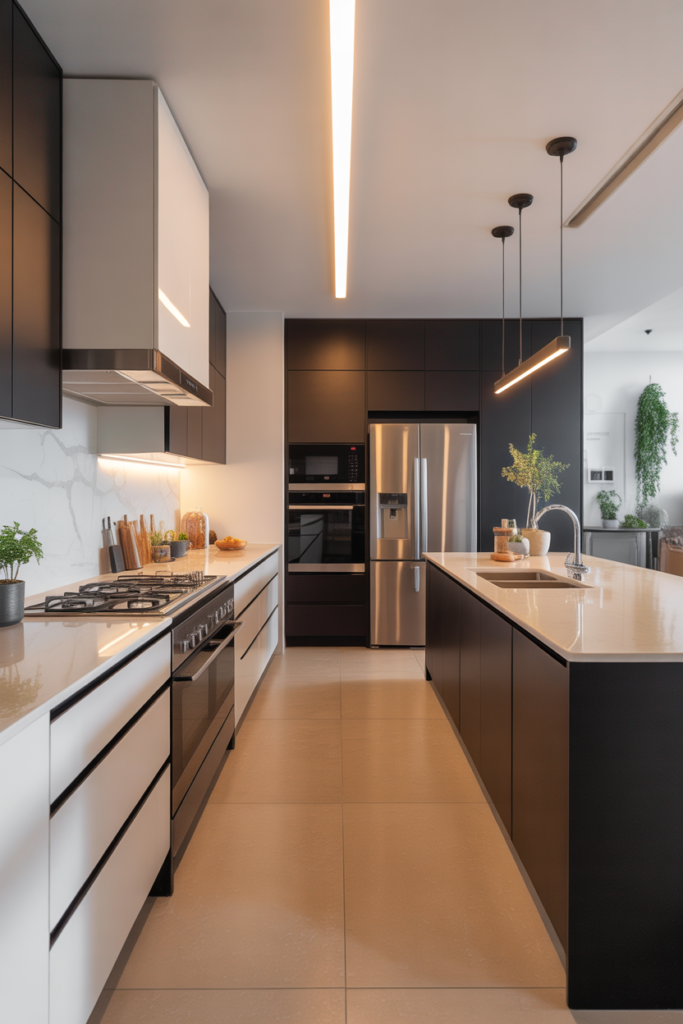
A kitchen layout should support the flow of cooking from preparation to serving. Understanding the classic work triangle concept is helpful but it is not the only approach. The triangle focuses on positioning the stove, sink, and refrigerator in a way that minimizes unnecessary steps. However, in modern kitchens, islands, multiple cooktops, and expansive counter spaces require a more flexible approach. A professional layout considers how frequently each appliance is used, the sequence of tasks, and the natural walking paths in the kitchen. Zones can be created for preparation, cooking, washing, and storage to keep everything within reach. Proper layout planning prevents cluttered spaces and allows multiple people to work comfortably without interference.
3 Counter Heights and Work Surfaces That Reduce Strain
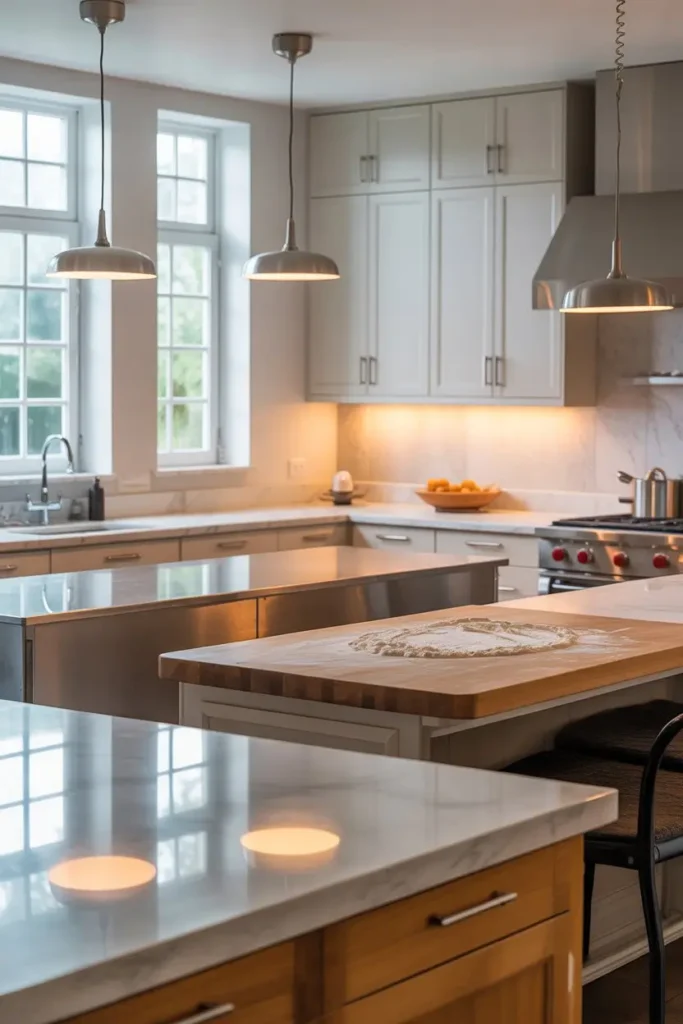
One of the most overlooked aspects of kitchen ergonomics is the height of counters and work surfaces. Standard counters may not suit everyone. Taller individuals may bend uncomfortably while chopping, while shorter individuals may strain their shoulders reaching high counters. Customizing heights based on the primary user can significantly improve comfort. Surfaces near the sink should be slightly lower to reduce strain during washing tasks, while baking areas may benefit from higher surfaces to facilitate rolling dough and kneading. Using durable materials that provide a firm but comfortable working surface also enhances efficiency. Every inch of the countertop should be functional and reduce physical effort for daily tasks.
4 Smart Storage Solutions to Keep Essentials Accessible
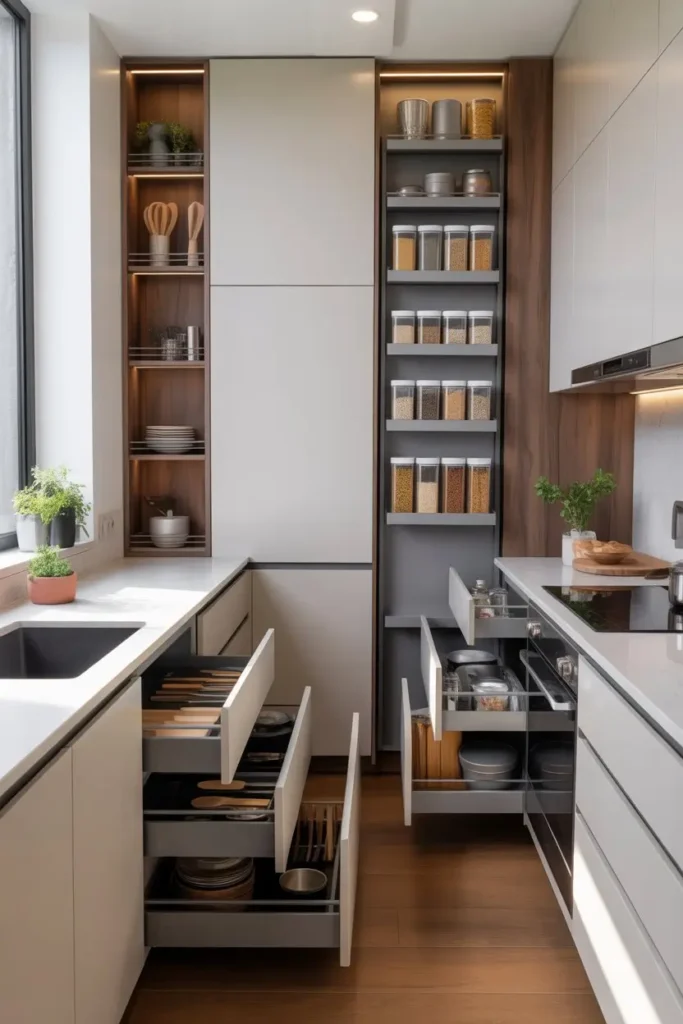
Efficient kitchen storage is crucial for an ergonomic design. Cabinets, drawers, and shelves must be planned according to frequency of use. Items used daily should be easy to reach without bending or stretching, while less frequently used equipment can be stored in higher or deeper cabinets. Pull-out drawers, rotating shelves, and sliding pantry units are examples of modern solutions that make storage accessible. A kitchen with well-organized storage reduces the time spent searching for ingredients or utensils and minimizes unnecessary movements. Thoughtful storage ensures that the space stays clean, organized, and highly functional, enhancing the overall cooking experience.
5 Appliances Placement for Convenience and Safety
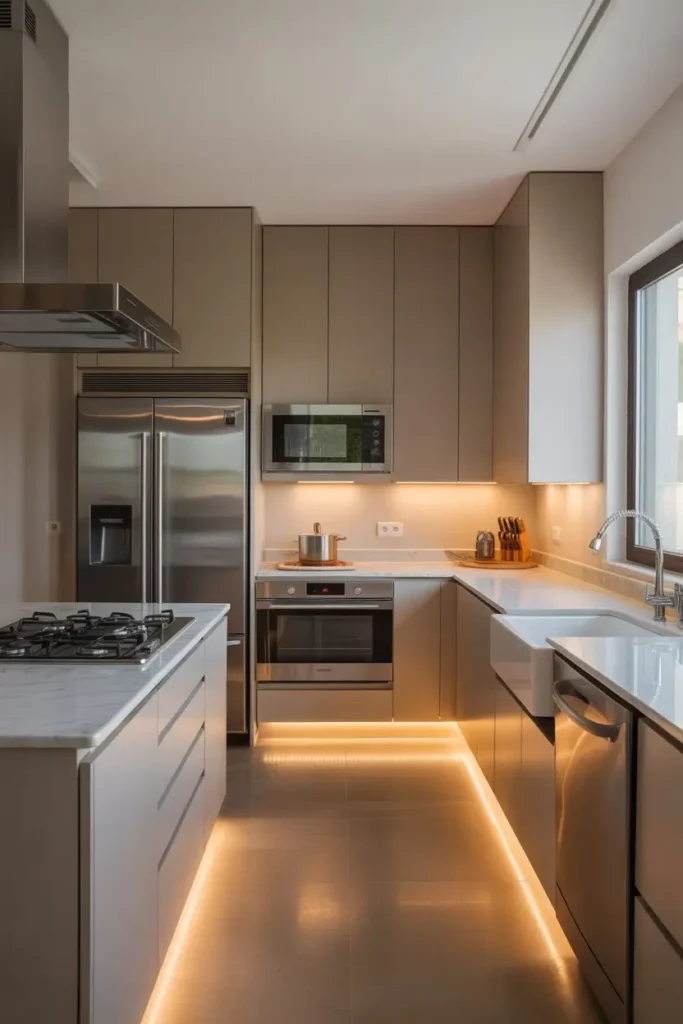
The position of appliances is a key factor in ergonomic kitchen design. Refrigerators, ovens, microwaves, and dishwashers should be placed in ways that support natural movement. For example, the refrigerator should be close to the prep area, while the dishwasher should be adjacent to the sink. Placing the oven at waist height avoids bending, and having a microwave in a reachable zone prevents accidents. Safety is just as important as convenience, as proper placement reduces the risk of burns, slips, or spills. Considering the height, clearance, and door swing of appliances ensures a practical and safe workflow.
6 Lighting Design That Enhances Visibility and Comfort
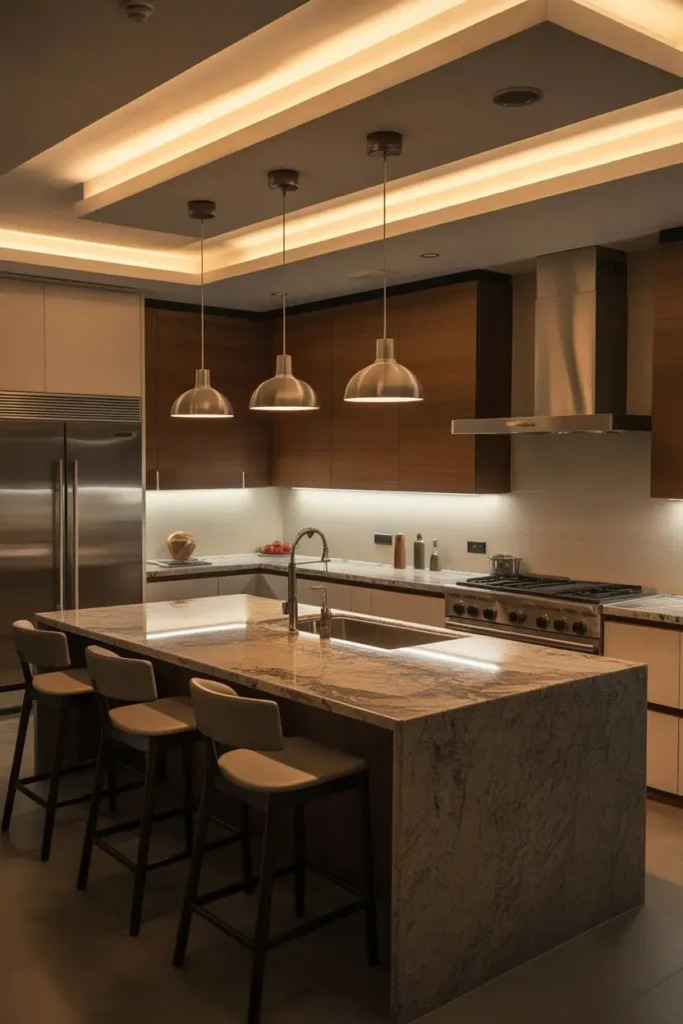
Proper lighting is an essential component of kitchen ergonomics. Poorly lit areas can cause strain on the eyes and make tasks like chopping, measuring, or reading recipes dangerous. Layered lighting that combines ambient, task, and accent lighting improves visibility and adds style. Under-cabinet lights are perfect for illuminating work surfaces, while overhead lights provide general illumination. Adjustable lights can allow for brighter conditions during intense tasks and softer light for ambiance. A professional approach ensures every corner is well-lit without harsh glare, creating a comfortable and inviting environment.
7 Flooring Choices That Reduce Fatigue
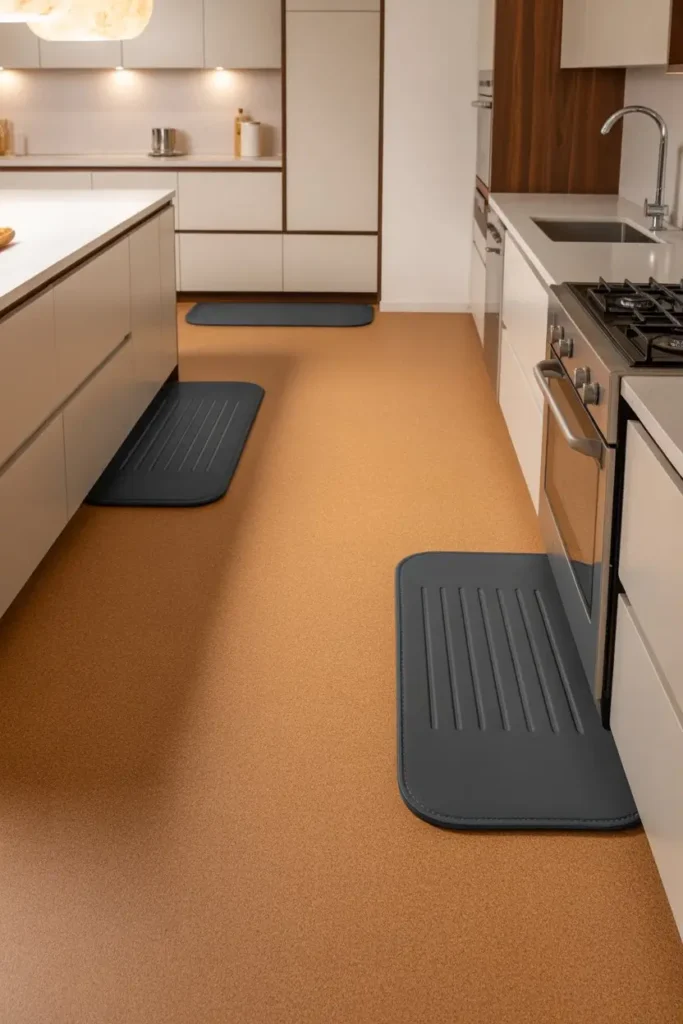
Spending hours standing in the kitchen can be physically demanding. Choosing the right flooring helps reduce fatigue and discomfort. Soft yet durable materials like cork, vinyl, or rubber can provide cushioning while standing. Hardwood and tile are popular but may require anti-fatigue mats near work areas such as the sink or stove. Slip-resistant surfaces are important for safety, especially in areas prone to water spills. Flooring that combines comfort, durability, and ease of cleaning enhances both the ergonomic and aesthetic appeal of the kitchen.
8 Kitchen Islands and Work Zones That Promote Flow
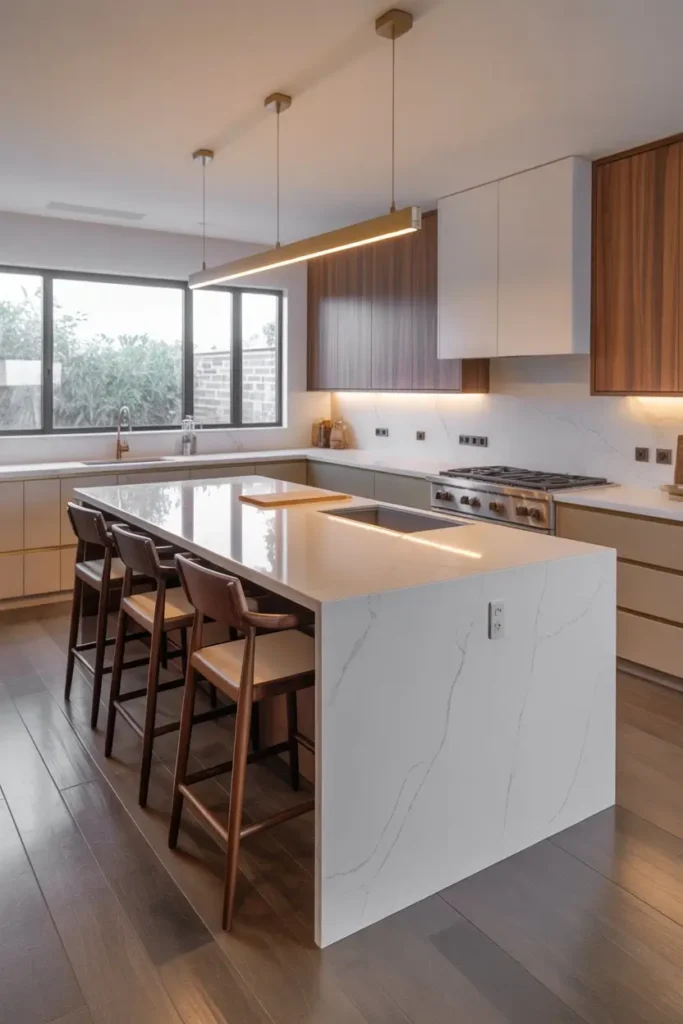
Kitchen islands are central to modern design but must be planned carefully. An island should provide additional work surfaces, storage, and seating without obstructing movement. The spacing between the island and surrounding counters should allow smooth circulation. Islands can create separate zones for prep, cooking, or serving, making it easy for multiple people to work at the same time. Including power outlets and task lighting enhances the island’s functionality. A well-designed island becomes the hub of kitchen activity while maintaining an ergonomic and efficient workflow.
9 Open Layouts vs Compact Kitchens: Choosing What Works
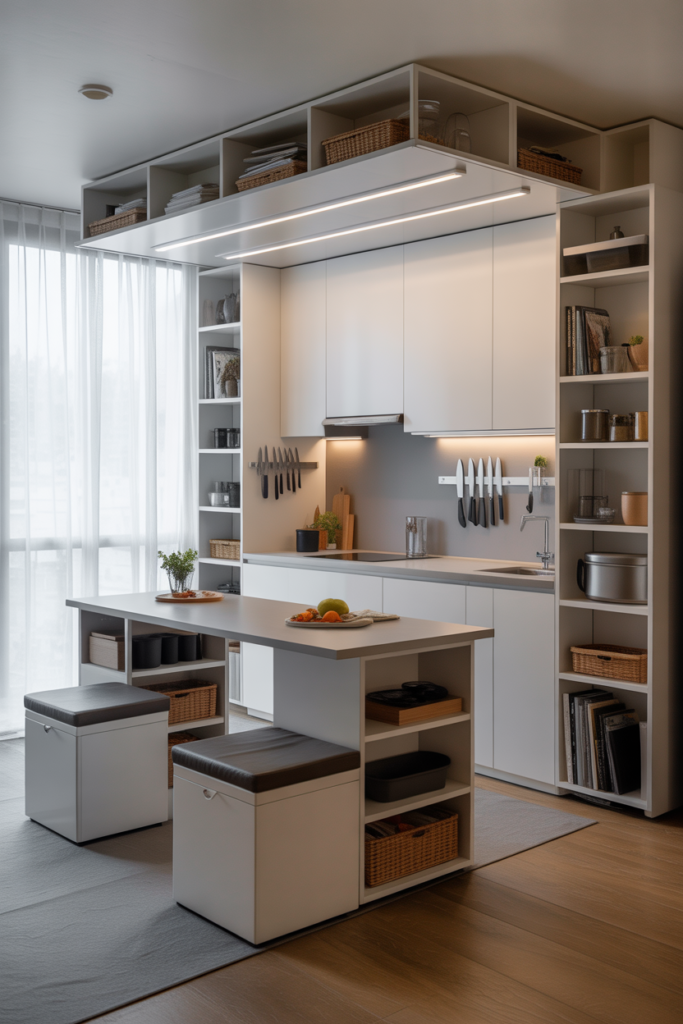
Not every home has the luxury of a large kitchen. Compact kitchens require thoughtful ergonomics to maximize space. Open layouts allow freedom of movement and better interaction with living spaces, but they may require careful zoning to prevent clutter. In smaller kitchens, vertical storage, foldable surfaces, and multi-functional furniture can make a significant difference. Ergonomic principles apply regardless of size, ensuring every step, reach, and motion is considered to create a comfortable environment. Professional planning allows even the smallest kitchens to feel spacious, organized, and efficient.
10 Ventilation and Airflow Considerations
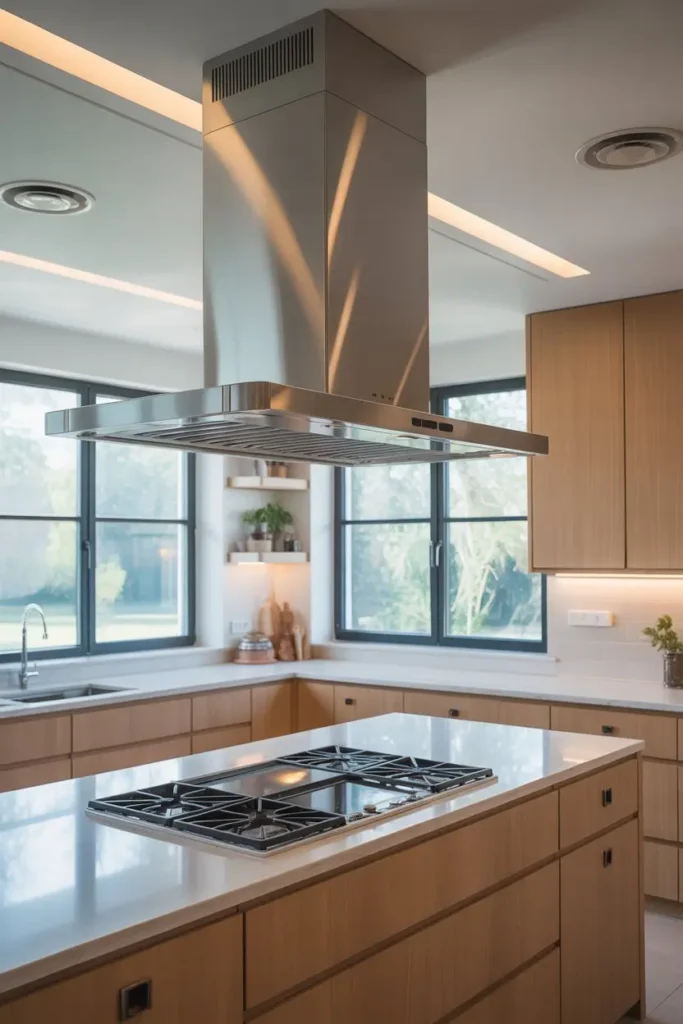
A kitchen that is well-ventilated contributes to comfort and safety. Proper airflow removes smoke, steam, and odors, preventing discomfort and maintaining a healthy environment. Range hoods should be positioned above cooktops to capture fumes effectively. Windows, exhaust fans, and open floor designs enhance ventilation, especially in areas with heavy cooking. Ventilation design also plays a role in ergonomics by reducing heat and humidity in the kitchen, making it easier to work for extended periods.
11 Personalizing the Kitchen for Daily Routines
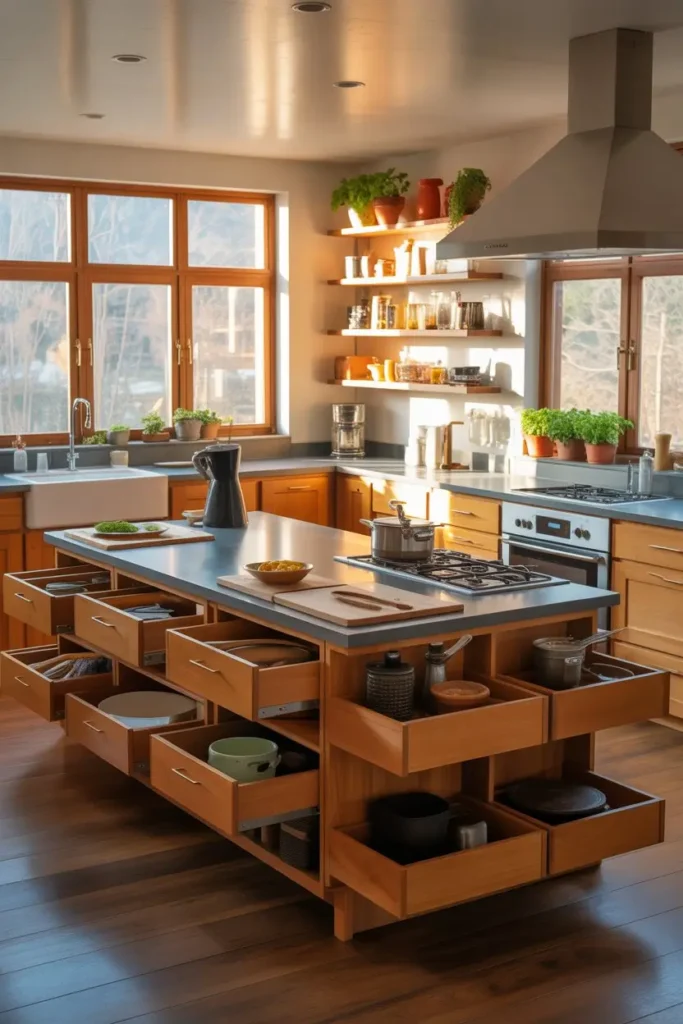
Every kitchen should reflect the habits and preferences of those using it. Ergonomics is not one-size-fits-all. Some users prefer more prep space, others need multiple cooking zones, and some prioritize storage for gadgets and utensils. Understanding daily routines allows the kitchen to be tailored to real-life use. Personalizing the layout, storage, and workflow ensures that every movement feels natural and intuitive. A kitchen designed around the user becomes a space that is not only functional but also a joy to use.
12 Color, Texture, and Materials That Support Comfort
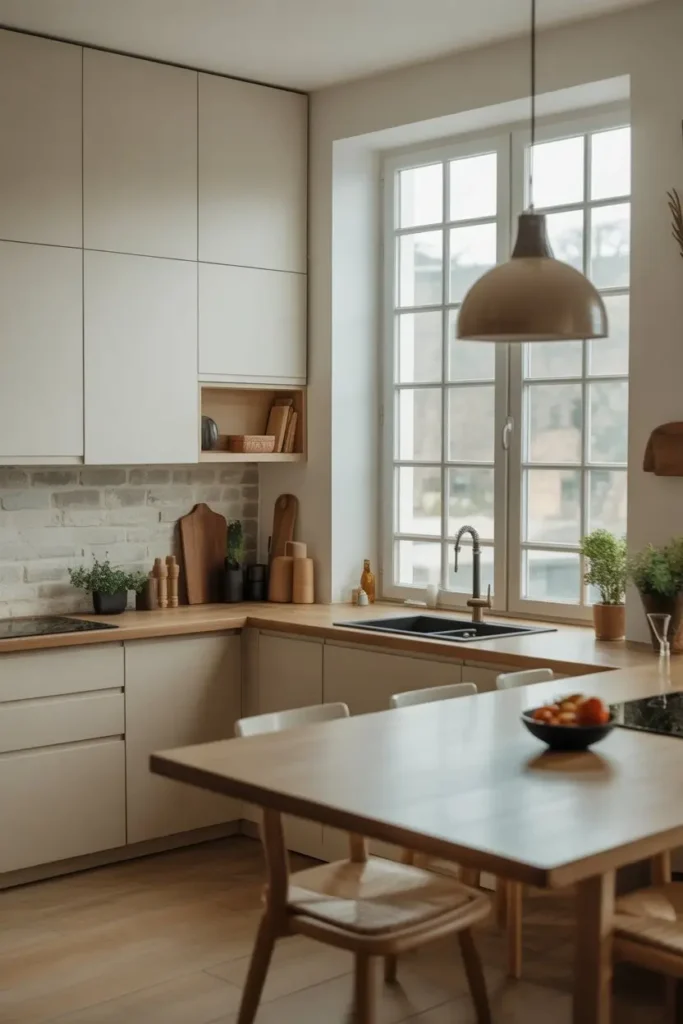
While ergonomics is often associated with physical comfort, visual comfort is just as important. Colors, textures, and materials influence how the kitchen feels. Light colors make spaces appear larger and brighter, reducing strain on the eyes. Non-reflective surfaces prevent glare, while tactile materials like smooth stone or matte wood create a pleasing interaction. Combining aesthetics with functionality ensures the kitchen is a space that feels good to work in while looking beautiful.
13 Safety Measures Integrated into Layout
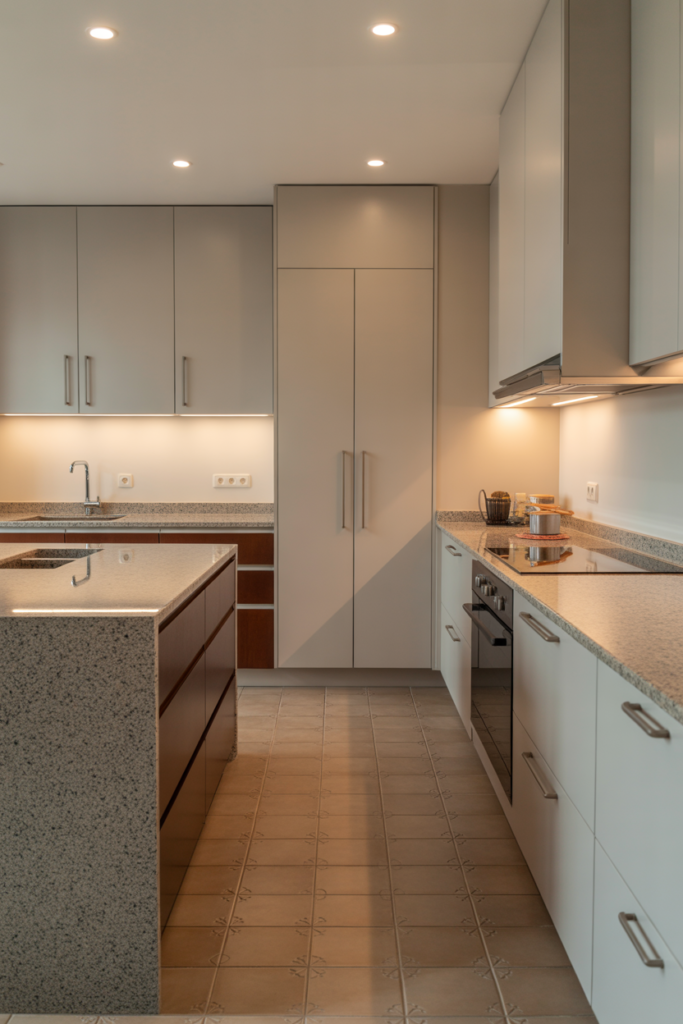
A professional ergonomic kitchen is also a safe kitchen. Sharp corners, uneven flooring, and poor appliance placement can lead to accidents. Rounded edges on counters, proper spacing around cooking zones, and slip-resistant flooring all contribute to safety. Installing handles and pulls within easy reach prevents unnecessary stretching, and child safety considerations ensure a secure environment. An ergonomic design prioritizes safety without compromising style or efficiency.
14 Future-Proofing Your Kitchen
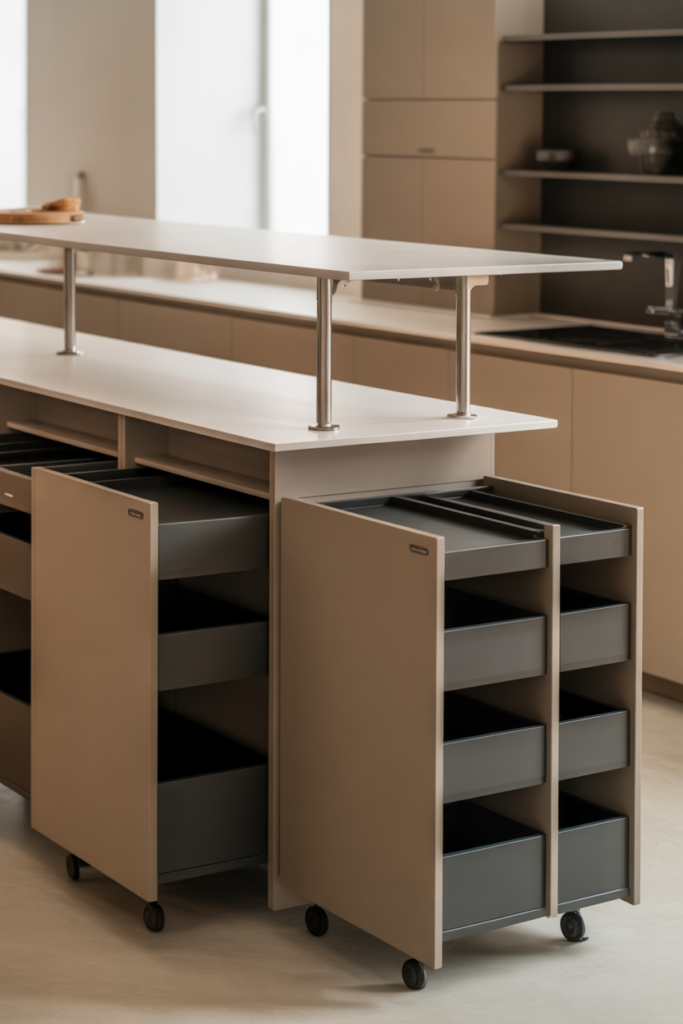
Designing for today and tomorrow is a hallmark of professional kitchen planning. Consider how your needs may change over time, such as aging in place or expanding family size. Adjustable countertops, modular storage, and flexible layouts allow the kitchen to evolve without major renovations. Thinking ahead ensures the investment in ergonomics and layout continues to deliver value and comfort for years.