14+ Smart Deck Shade Ideas for Windy Areas That Actually Work
Introduction
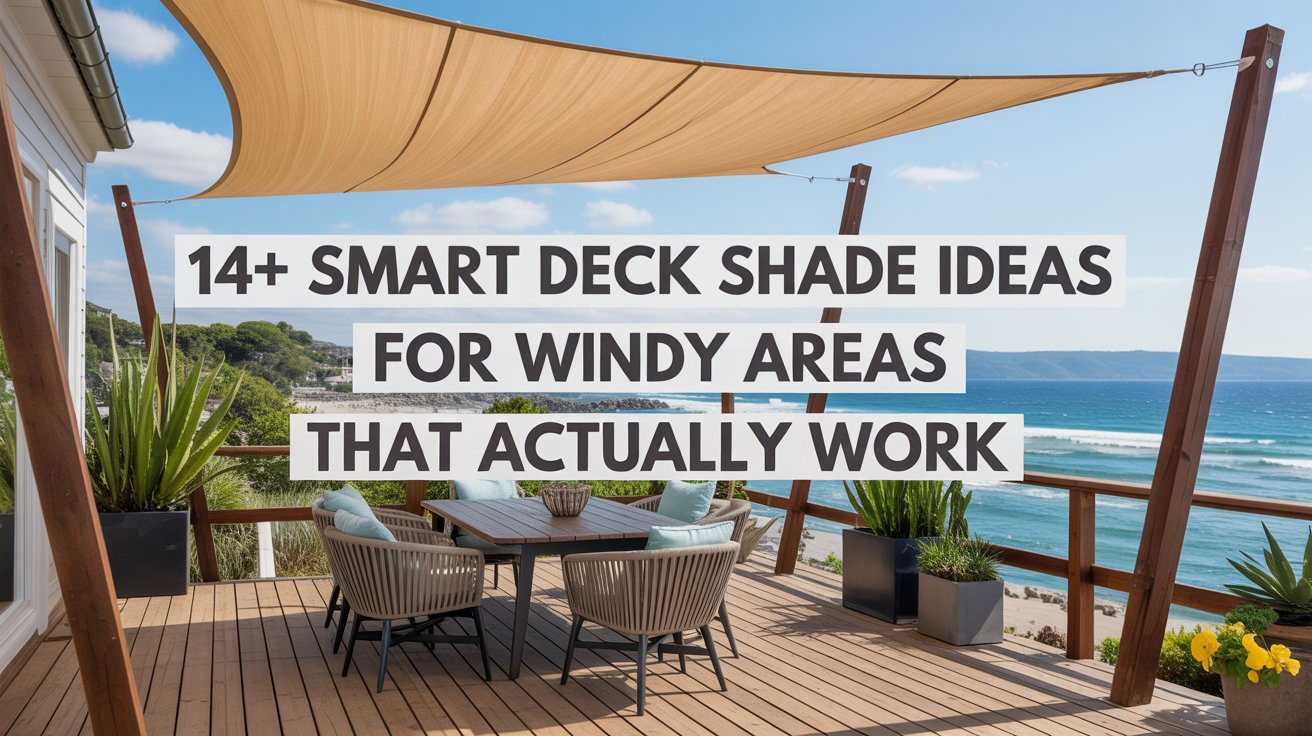
Creating a comfortable outdoor deck in a windy area can feel tricky. The breeze that feels refreshing at first can quickly turn into a challenge when it starts tossing furniture and pulling on your shade cover. But with smart planning and the right materials, you can build a beautiful, wind-tough outdoor retreat that stays peaceful even on blustery days.
As someone who has worked in outdoor design for over twenty years, I’ve seen how small choices in shade design can make a big difference. Below are more than fourteen practical ideas that blend style, comfort, and wind resistance—all carefully chosen for real-world performance.
1. Choose Heavy-Duty Pergolas for Lasting Shade

A pergola is a timeless structure for decks, but not all pergolas stand up well to wind. In breezy regions, opt for a heavy-duty pergola made of steel, aluminum, or thick hardwood. These materials resist warping and swaying. Unlike light fabric shades, a solid pergola provides stable coverage without tearing.
Add fixed louvers instead of retractable ones if your area faces frequent gusts. This keeps the structure firm and quiet. For an extra layer of control, install adjustable slats that can angle with the wind direction, reducing pressure on the frame.
2. Install Shade Sails with Reinforced Corners

Shade sails look modern and stylish, but in windy zones, their design needs upgrading. Instead of standard fabric, choose a high-density polyethylene (HDPE) material. It’s breathable, durable, and resists tearing. Reinforced corners with steel D-rings and marine-grade cables ensure the tension stays even.
Attach sails to secure posts anchored deep into the ground or the deck framing—not just surface mounts. The slight curve in a properly installed sail lets air move through instead of pushing against it, keeping it stable even in strong winds.
3. Build a Roof Extension with Wind Gaps
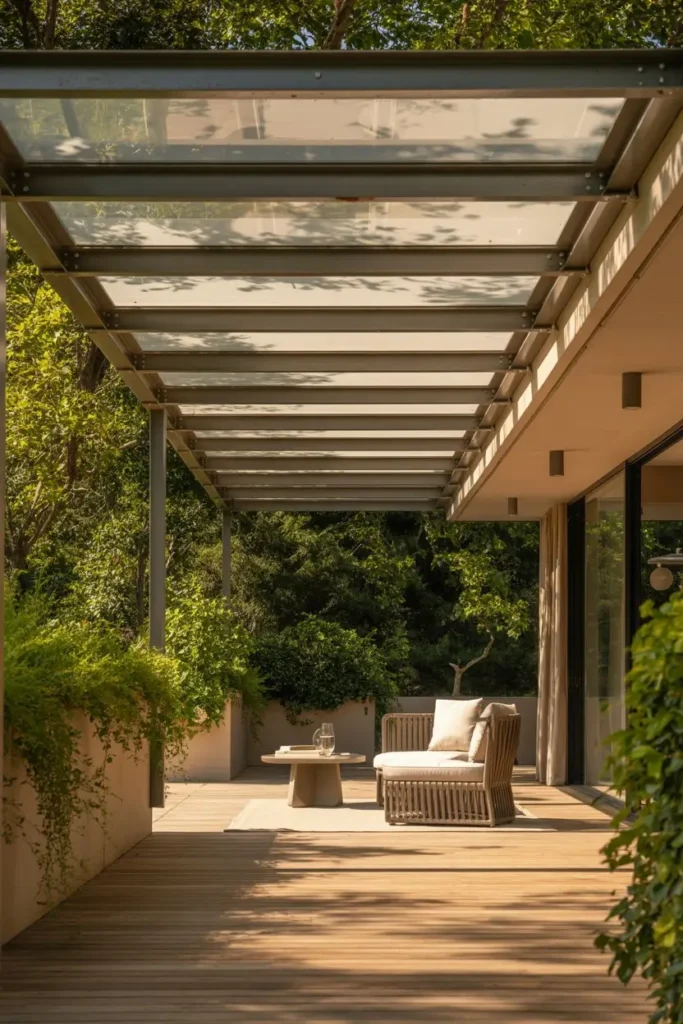
A roof extension gives full protection from sun and rain while keeping the deck cool. For windy areas, design it with wind gaps—small open spaces that let air flow through the structure instead of hitting a flat wall. This design prevents pressure buildup that could damage roofing panels.
Choose lightweight metal or polycarbonate roofing sheets for easy maintenance. Paint the underside in a soft color to reflect light back down onto the deck, keeping it bright and welcoming.
4. Try Retractable Awnings with Wind Sensors

Modern retractable awnings are no longer fragile. Advanced versions now come with built-in wind sensors. These sensors automatically roll up the awning when wind speeds rise, saving it from damage.
Look for models with powder-coated frames and tough acrylic fabric. The combination resists rust, fading, and tearing. While they cost more than manual awnings, they pay off by lasting longer and protecting your investment in the long run.
5. Use Lattice Panels for Gentle Shade and Wind Break

Lattice panels give you both airflow and filtered shade. They’re perfect for decks that face frequent crosswinds because they slow down the wind instead of blocking it completely.
Choose vinyl or treated wood lattice that can handle moisture. You can also grow climbing plants like ivy or jasmine on it for a natural shade wall. This green layer not only reduces wind force but also cools the area by several degrees on hot days.
6. Add Tall Privacy Screens with Weighted Bases
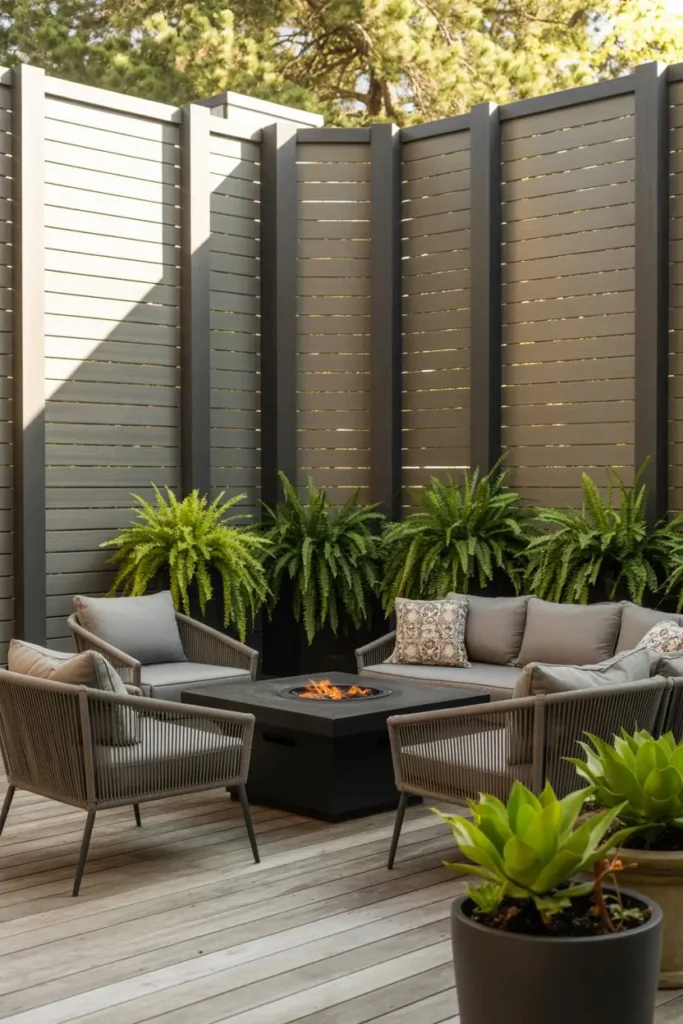
Privacy screens work as both visual barriers and wind shields. In windy spots, freestanding screens can tip easily, so use versions with heavy, weighted bases or ones anchored to the deck railing.
Go for designs made of composite materials, metal slats, or weather-resistant wicker. These allow just enough airflow to avoid creating a vacuum effect. When placed strategically around seating areas, they block harsh wind while still keeping your outdoor view open.
7. Opt for Wind-Tolerant Canopy Systems

Canopies can be tricky in windy areas, but with the right frame, they can perform very well. Look for canopies with tensioned fabric tops and aluminum or steel frames. Avoid pop-up versions; they’re not meant for strong winds.
Permanent canopy systems with curved tops or tension arches work best because the shape helps deflect wind rather than catching it. Secure the legs to the deck structure using brackets instead of light anchors.
8. Use Outdoor Curtains on Tension Rods

For a soft, breezy touch, outdoor curtains can be surprisingly effective when handled right. Instead of thin decorative fabric, choose weather-resistant canvas or Sunbrella fabric. Mount the curtains on strong tension rods or cable lines between posts.
Keep them tied back when the wind rises, or use curtain weights sewn into the bottom hem to keep them from flapping wildly. This way, you can enjoy movement without chaos.
9. Integrate Trees and Planters for Natural Shade

Nature itself can provide the best protection. Strategically placed planters with tall shrubs or small trees like bamboo, olive, or boxwood create gentle shade and natural wind buffering.
Large containers with weighted bottoms help keep the plants steady. Besides adding color and texture, they slow the breeze without blocking it completely, giving your deck a peaceful, sheltered feel.
10. Try a Solid Roof Pavilion with Anchored Columns
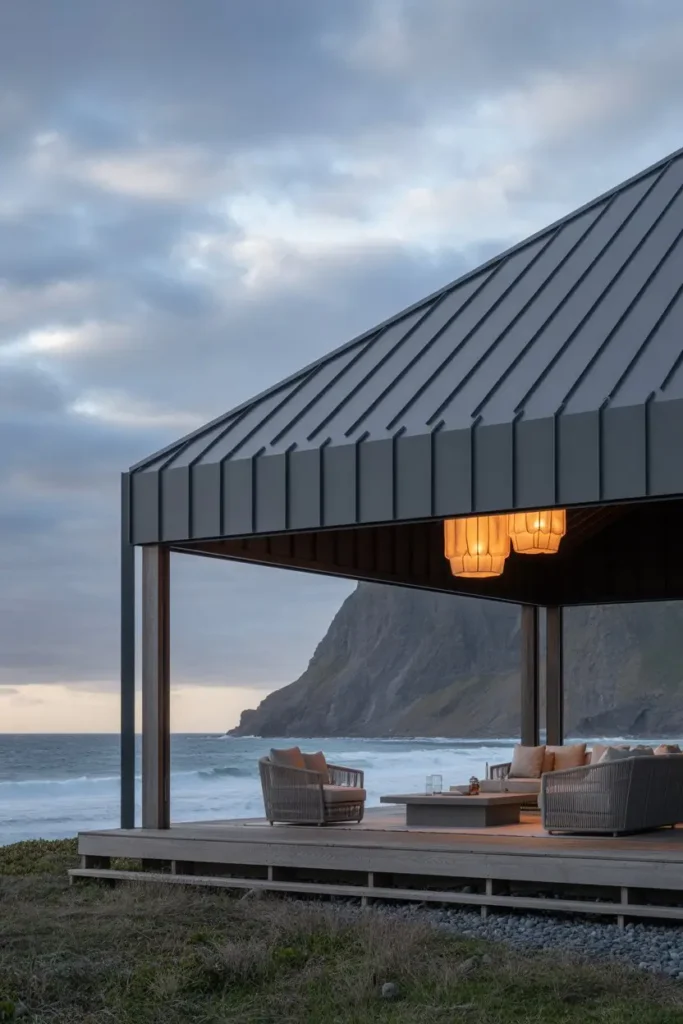
If you want maximum shade and zero flutter, a solid-roof pavilion is one of the best choices. Built with anchored columns and strong framing, it can handle gusts that would destroy lighter structures.
Metal roofing or reinforced wood panels make it long-lasting. Adding ceiling fans or lighting turns it into an all-weather entertainment zone. While this option is more permanent, it also adds major value to your property.
11. Combine Glass Wind Barriers with Overhead Shade

In extremely windy zones, glass barriers are an elegant fix. Install tempered glass panels along the deck’s wind-facing sides. They block wind completely without obstructing the view.
Pair them with a pergola, canopy, or even a partial roof to create layered protection. The transparency of the glass allows natural light to flow freely while stopping uncomfortable gusts.
12. Build a Partial Shade Roof with Open Rafters
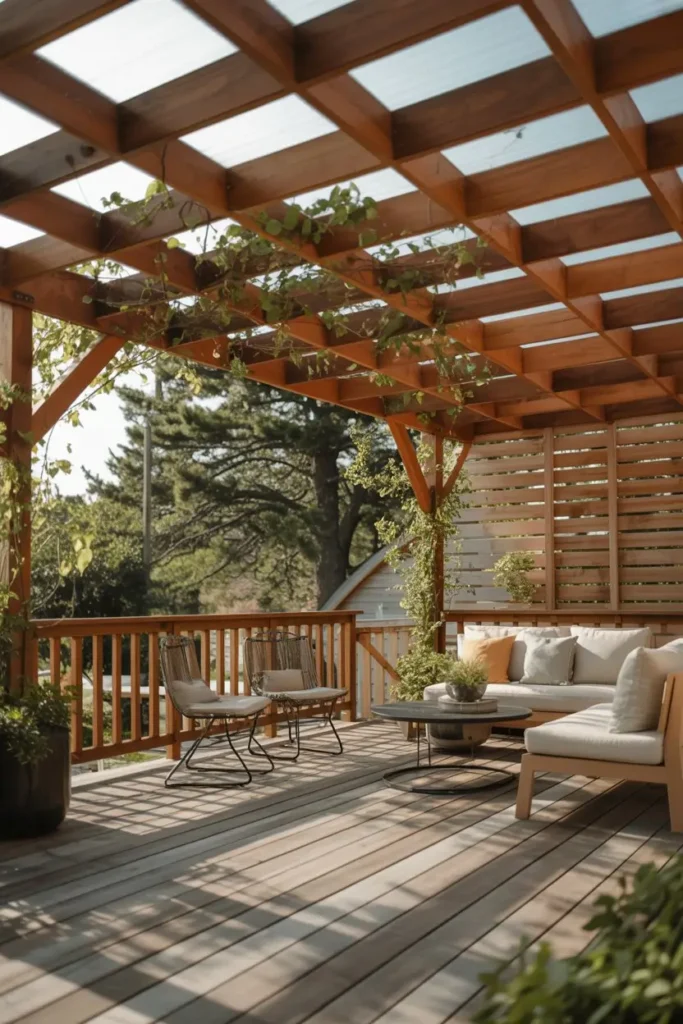
Sometimes, full coverage isn’t necessary. A roof with open rafters gives partial shade while letting some sun filter through. The spacing between beams allows wind to pass easily, reducing strain on the structure.
Use treated lumber or powder-coated steel beams for strength. You can later add climbing vines or lightweight shade cloth for added comfort in summer. This design balances beauty, airflow, and protection perfectly.
13. Use Portable Umbrellas with Weighted Stands
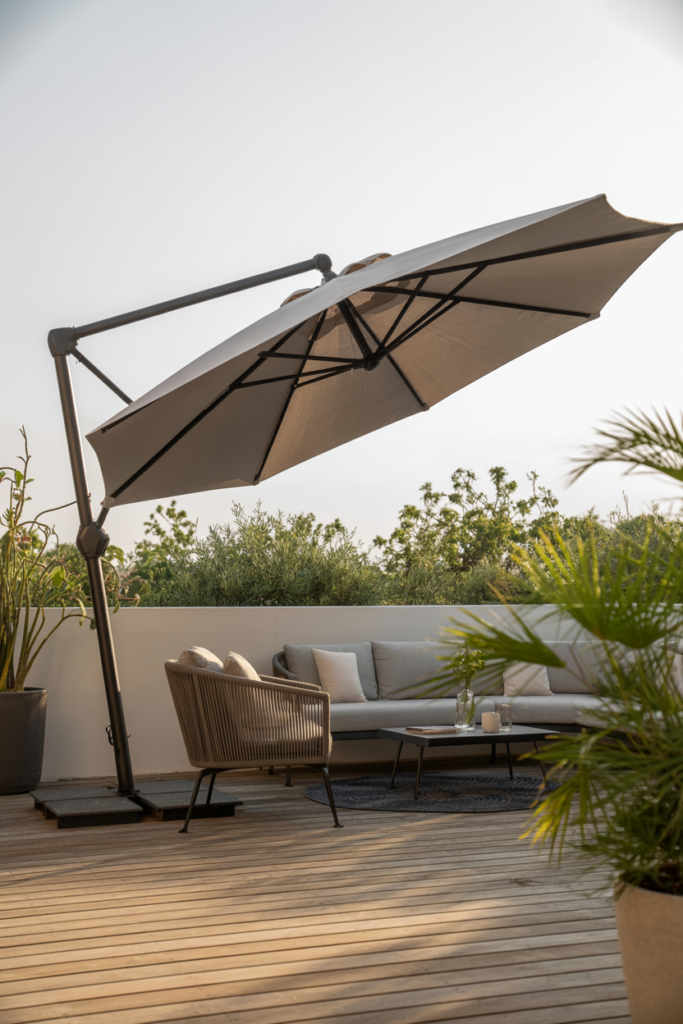
If you prefer flexible shade, a heavy-base umbrella is ideal. Look for cantilever or offset umbrellas designed for wind resistance. Their frames are thicker, and the canopies are shaped to allow airflow.
Always secure the base with concrete or water-filled weights to prevent tipping. When not in use, close and secure the umbrella with a strap. This keeps it ready for the next calm day without wear or tear.
14. Add Rolling Shade Panels for Adjustable Cover

Rolling or sliding shade panels let you control sunlight and wind exposure easily. These panels glide along a track system, making them flexible for different times of day or weather conditions.
Choose wood, metal, or outdoor-rated fabric panels that complement your deck style. They work especially well in narrow decks or balconies where permanent structures aren’t possible.
15. Combine Multiple Shade Styles for Layered Protection

The smartest approach in a windy area often blends more than one shade idea. For example, pair a pergola with privacy screens or a lattice wall. Combine shade sails with potted greenery or retractable awnings.
Layering solutions helps break wind from different directions while giving your deck a custom, designer look. Plus, it keeps the space functional year-round without constant adjustment.
FAQs
Final Thoughts
A windy climate doesn’t have to keep you from enjoying your deck. The right shade design turns those breezes into an asset instead of a problem. By combining strong materials, smart airflow planning, and flexible designs, you can create a deck that’s both relaxing and storm-tough.
Whether you prefer modern shade sails or classic pergolas, each idea here can help you build a comfortable, wind-resistant space that lasts for years.


