16+ Inspiring Ideas for a Foster Child Bedroom Setup That Feels Safe, Warm, and Truly Welcoming
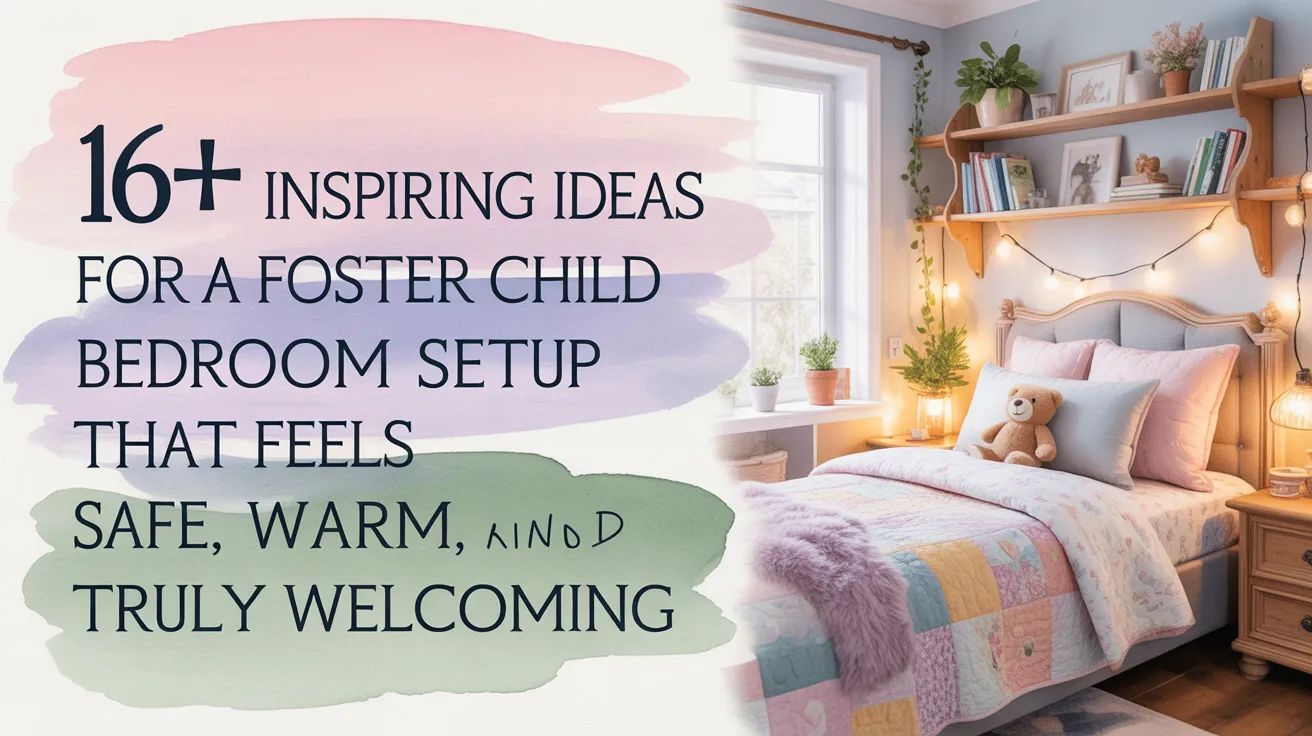
A foster child bedroom is not just a room. It is often the first space a child can call their own after a time of uncertainty. In 2026, foster child bedroom setup ideas focus on comfort, emotional safety, and gentle design choices that help children feel calm, accepted, and at home.
The goal is not perfection or expensive decor. The goal is to create a room that feels kind, predictable, and inviting. A well-prepared foster bedroom sends a quiet message that says, “You are safe here. You belong here.” Small details matter deeply, especially for children who may be adjusting to big changes.
This guide shares 16 inspiring ideas for setting up a foster child bedroom in a thoughtful, caring way, balancing warmth, function, and flexibility for children of different ages and needs.
1. A Calm Color Palette That Feels Soothing
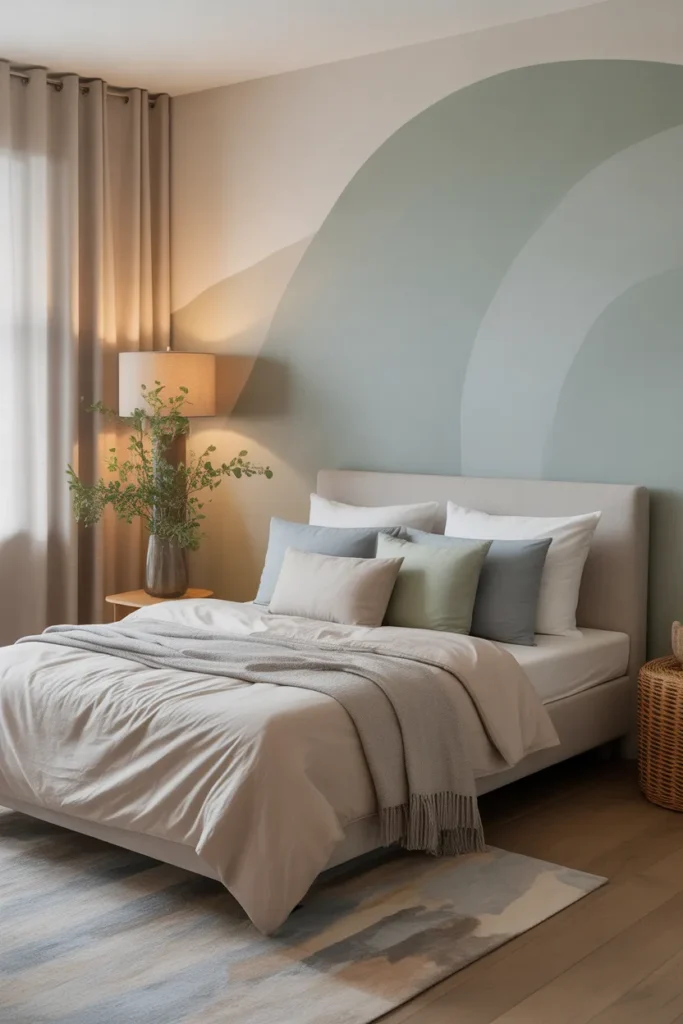
Color sets the emotional tone of the room.
Soft, neutral colors like warm beige, gentle gray, light blue, or soft green help create a sense of calm. In 2026, foster bedrooms avoid loud or overwhelming colors so the space feels peaceful and grounding.
A calm room helps children relax more easily.
2. Simple, Comfortable Bedding That Feels Cozy
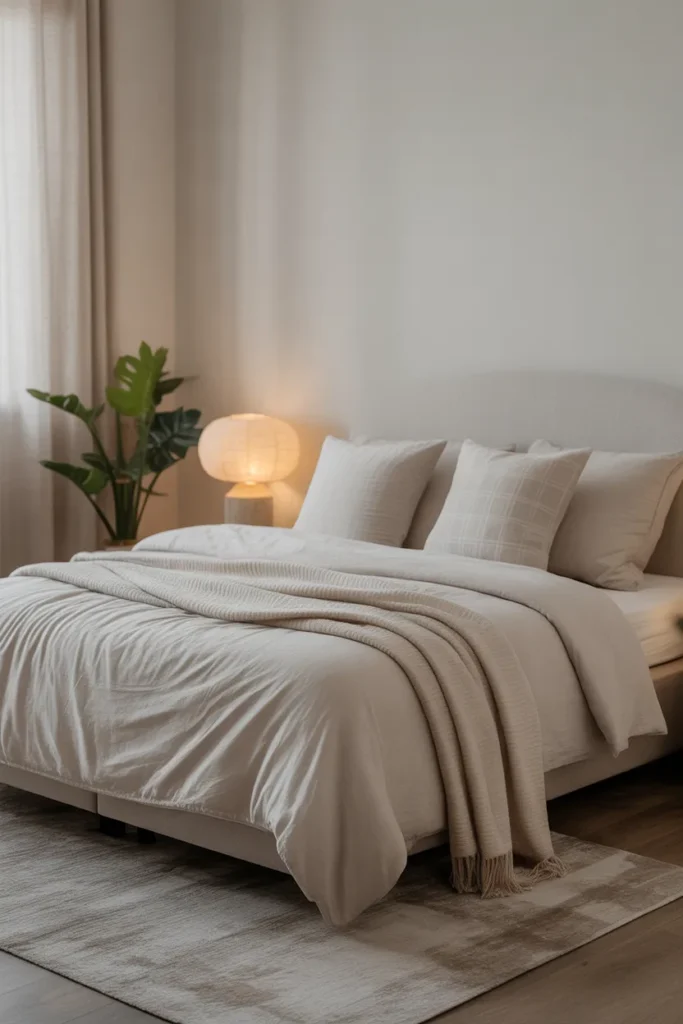
The bed is the heart of the room.
Comfortable bedding with soft textures helps children feel secure at night. Neutral bedding with subtle patterns works well because it feels welcoming without being overstimulating. Extra blankets folded nearby add a sense of care.
Sleep comfort builds trust and routine.
3. A Neutral Foundation That Allows Personalization
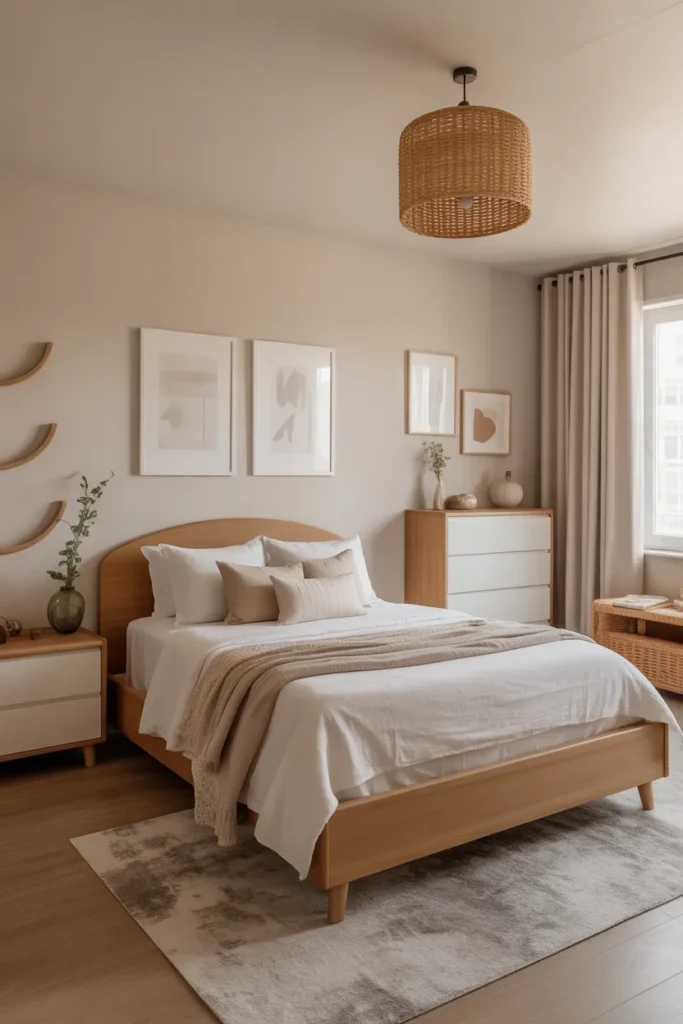
A foster bedroom should feel flexible.
Starting with neutral furniture and decor allows the child to add their own personality over time. In 2026, foster-friendly bedrooms are designed to adapt as the child’s interests change.
This makes the space feel open, not imposed.
4. Storage That Makes Organization Easy
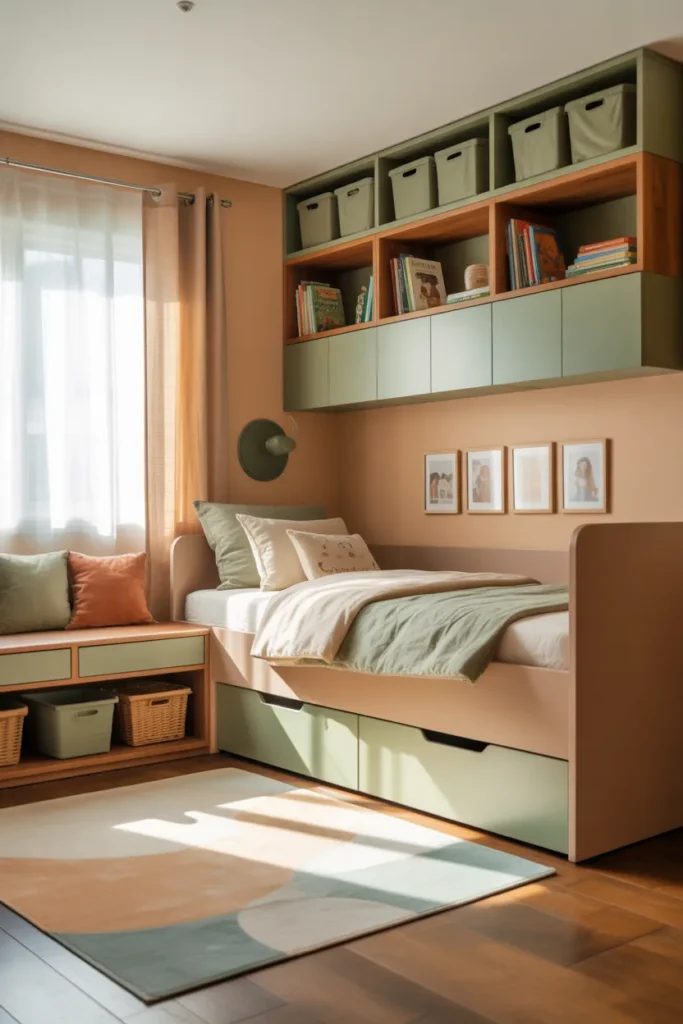
Clear, simple storage reduces stress.
Drawers, shelves, or bins help children keep their belongings tidy without feeling overwhelmed. Easy-to-reach storage encourages independence and helps children feel in control of their space.
Order creates a sense of safety.
5. A Dedicated Space for Personal Belongings
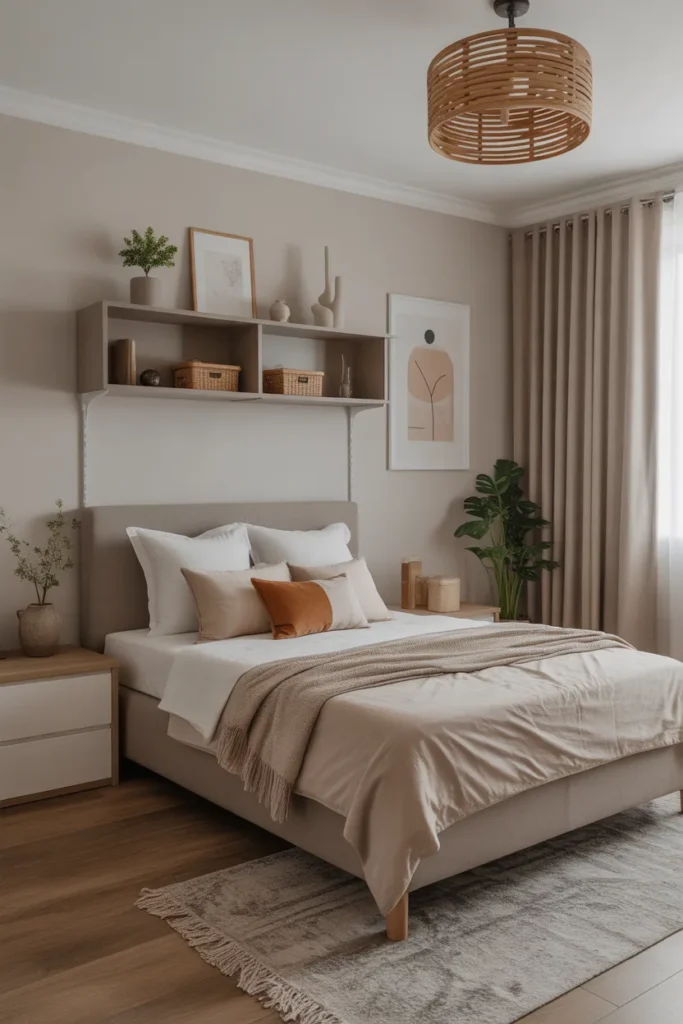
Personal items deserve respect.
A small shelf, drawer, or box just for the child’s belongings helps them feel ownership. This is especially important for foster children who may have limited personal items.
It quietly says, “This is yours.”
6. Soft Lighting That Feels Reassuring
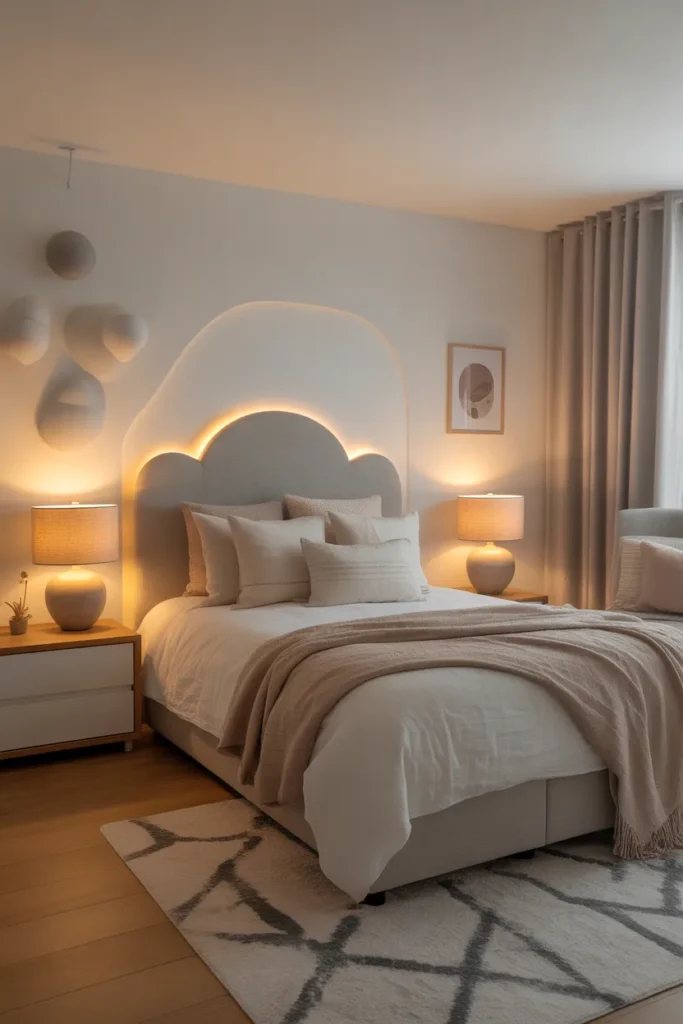
Lighting affects how safe a room feels.
Warm lamps or night lights provide comfort, especially at bedtime. In 2026, foster bedrooms often include layered lighting so the room never feels too dark or too harsh.
Gentle light brings peace.
7. A Cozy Reading or Quiet Corner
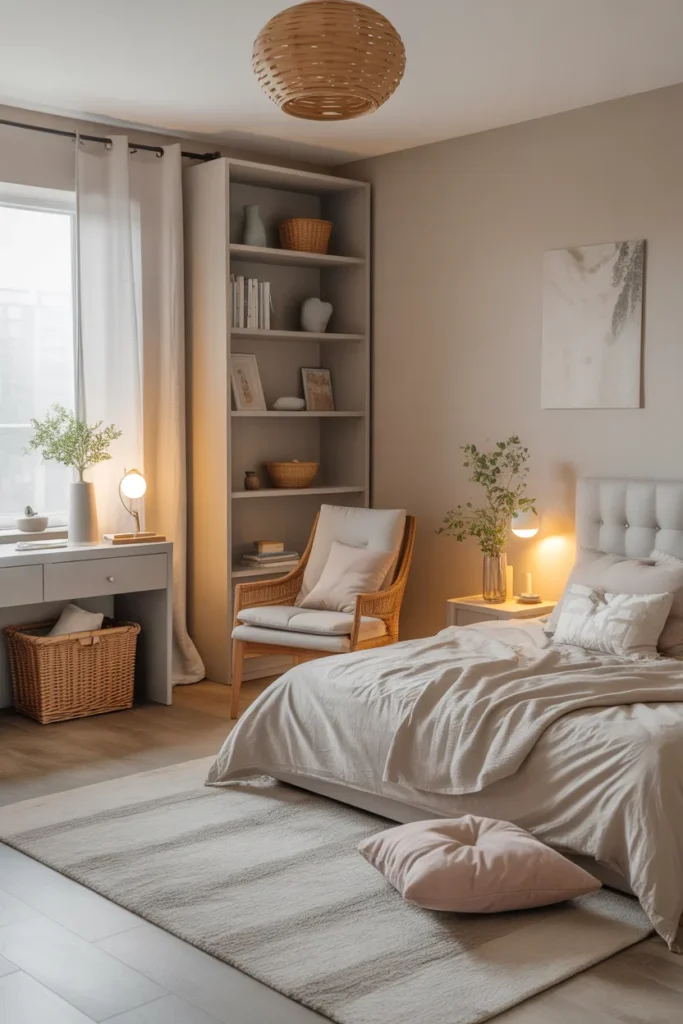
Quiet spaces help with emotional regulation.
A small chair, floor cushion, or corner with pillows gives the child a place to relax, read, or simply sit quietly. This space supports calm moments when emotions feel big.
Every child needs a soft place to land.
8. Age-Appropriate Decor Without Stereotypes
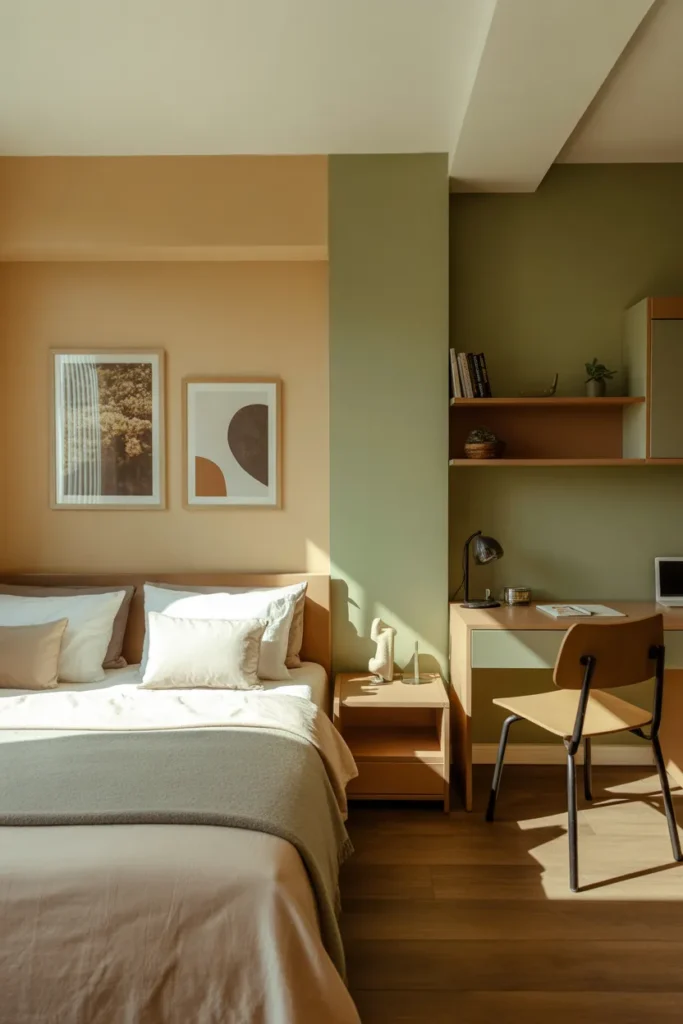
Decor should feel respectful.
Instead of overly themed rooms, modern foster bedrooms use simple, age-appropriate decor that does not assume preferences. In 2026, neutral artwork and gentle wall accents are preferred.
The room feels open, not labeled.
9. A Desk or Table for Creativity and Homework
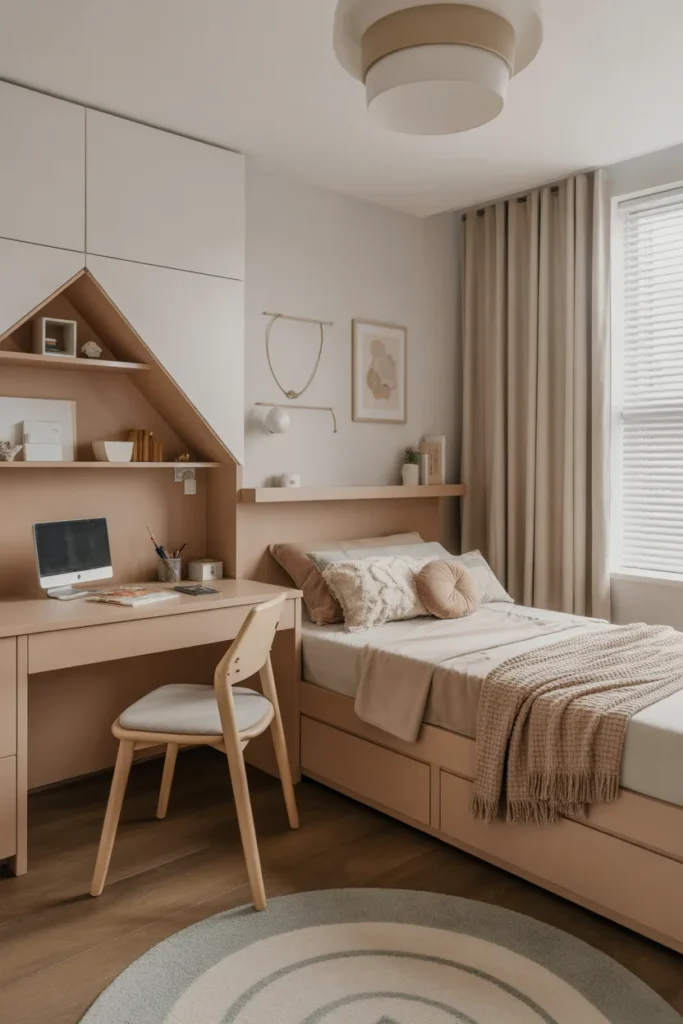
A surface for drawing or studying matters.
A small desk or table supports creativity, schoolwork, and structure. It shows that learning and self-expression are valued in the space.
Routine brings stability.
10. Open Space That Allows the Room to Breathe
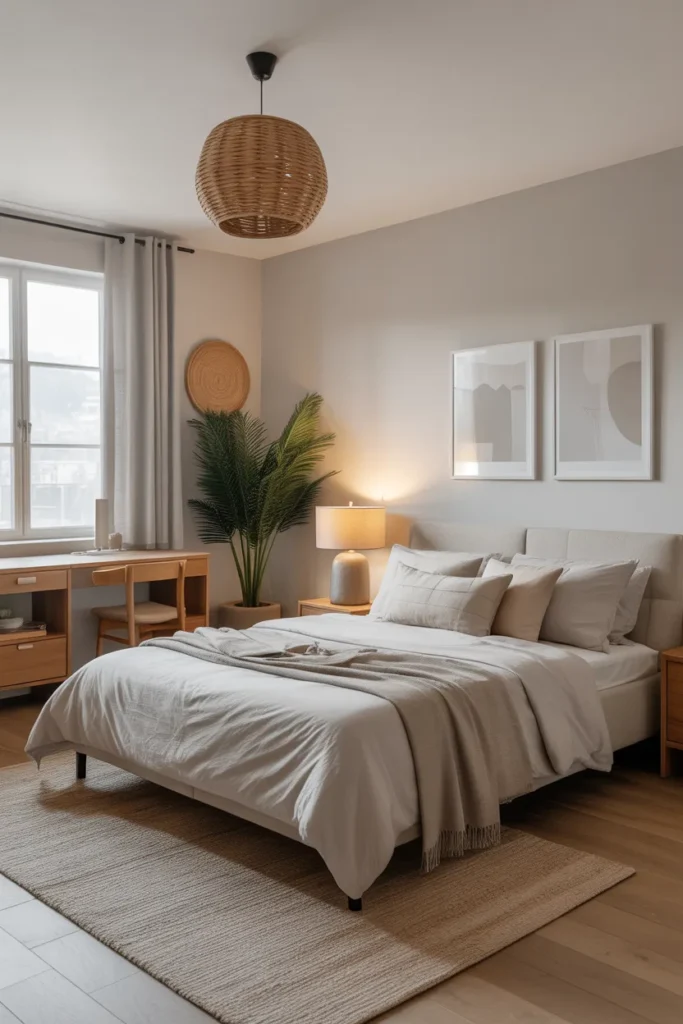
Not every inch needs to be filled.
Leaving open floor space makes the room feel less crowded and more comfortable. In 2026, foster child bedroom setups avoid over-decorating to reduce sensory overload.
Space itself can be calming.
11. Soft Textures That Add Comfort
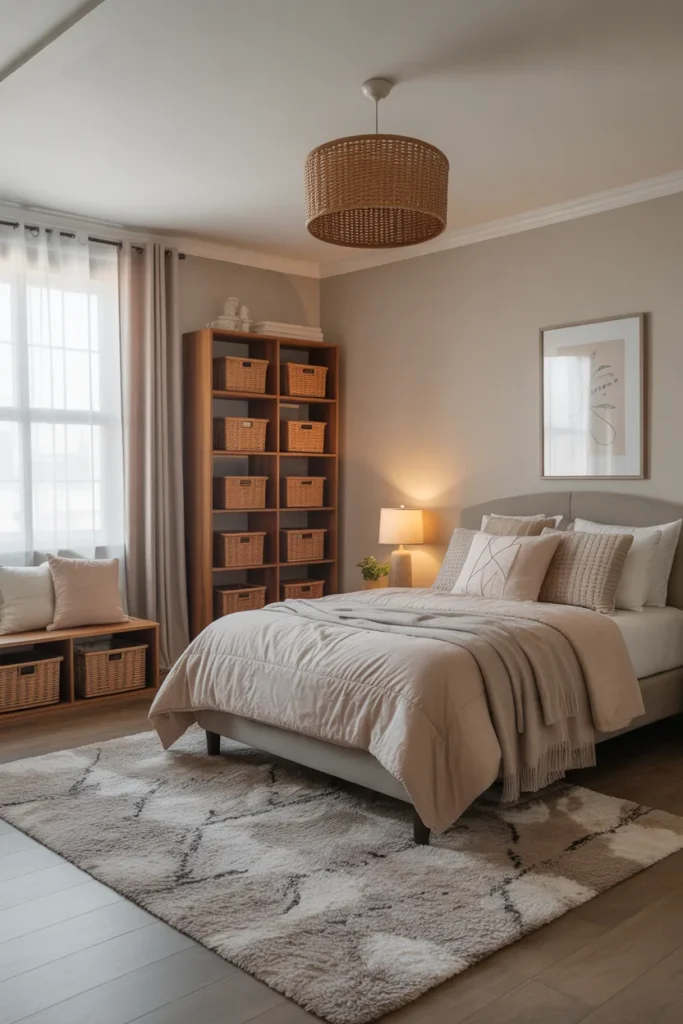
Texture creates emotional warmth.
Rugs, curtains, or fabric bins soften the room and make it feel less clinical. These touches help the space feel lived-in and gentle.
Soft surroundings support calm emotions.
12. Clear Closet Space for Easy Access
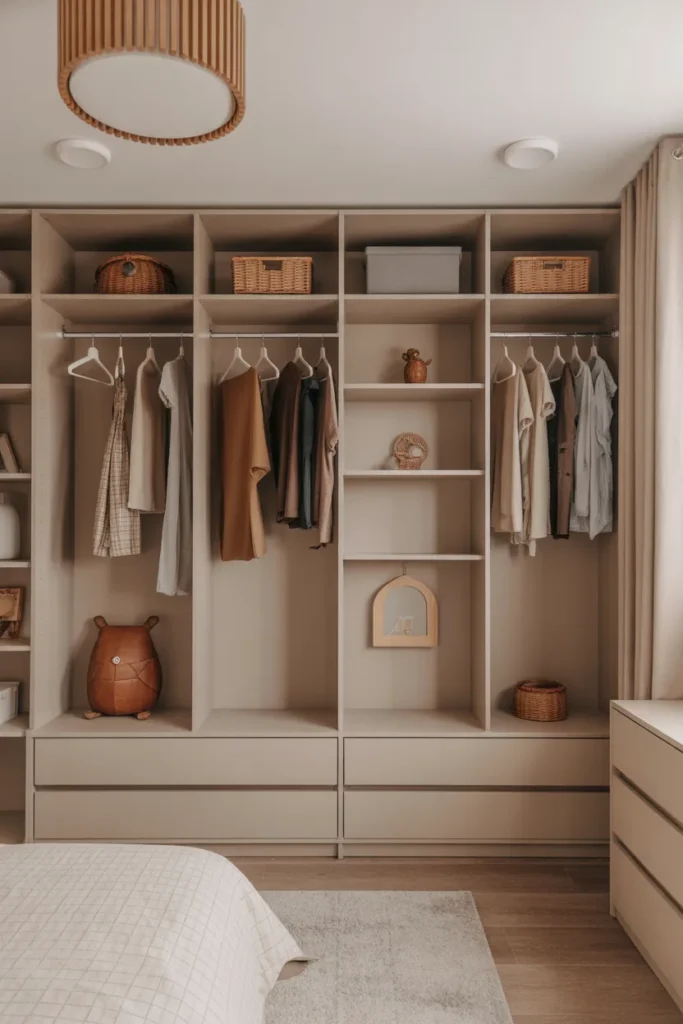
Clothing storage should feel simple.
Hanging space and shelves that are easy to reach help children dress independently. Clear organization reduces frustration and supports daily routines.
Predictability builds confidence.
13. Neutral Wall Decor That Feels Uplifting
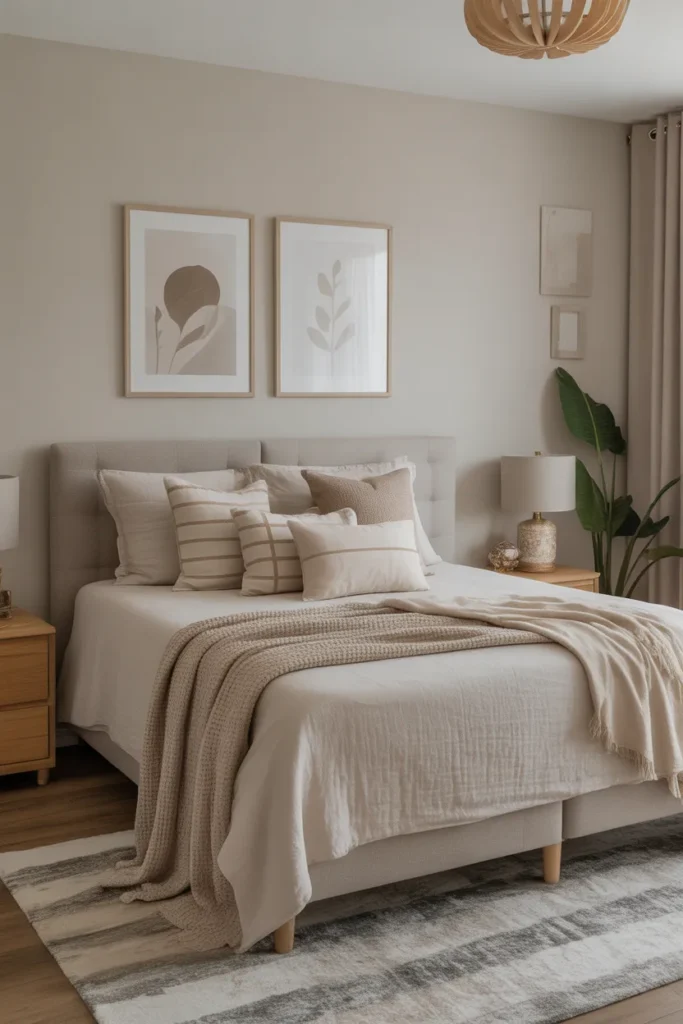
Walls can offer quiet encouragement.
Simple art, nature prints, or soft patterns add interest without pressure. In 2026, foster bedrooms avoid messaging that feels demanding or emotional.
Gentle visuals work best.
14. A Laundry Basket or Hamper of Their Own
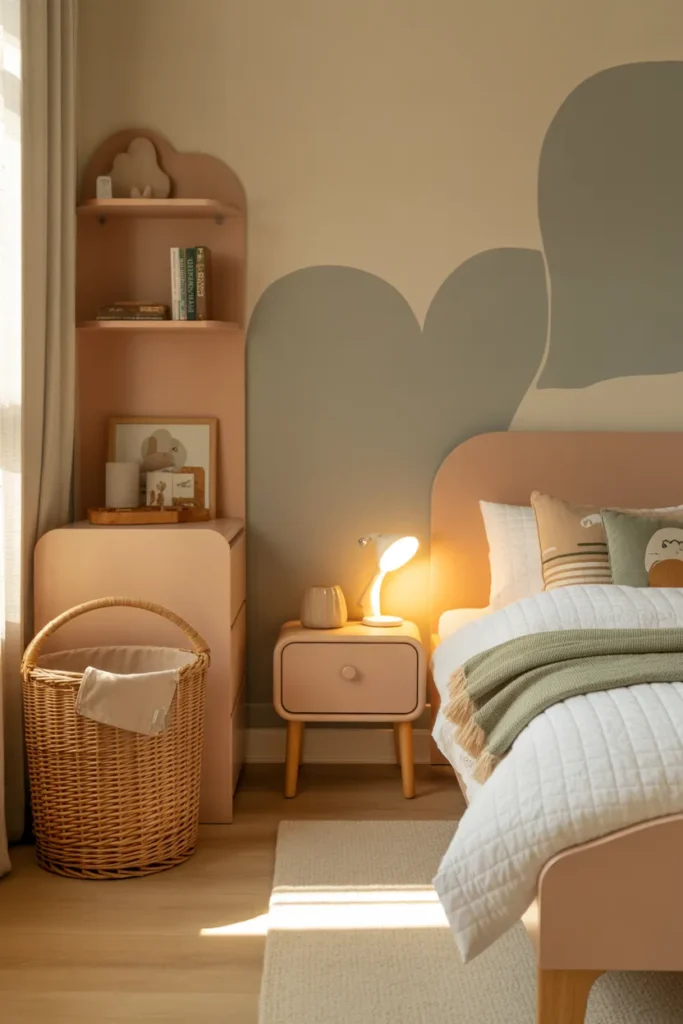
Small details matter.
Having a personal laundry basket helps children feel included in daily household routines. It also supports responsibility in a non-overwhelming way.
Belonging grows through shared habits.
15. Flexibility for Different Ages and Needs
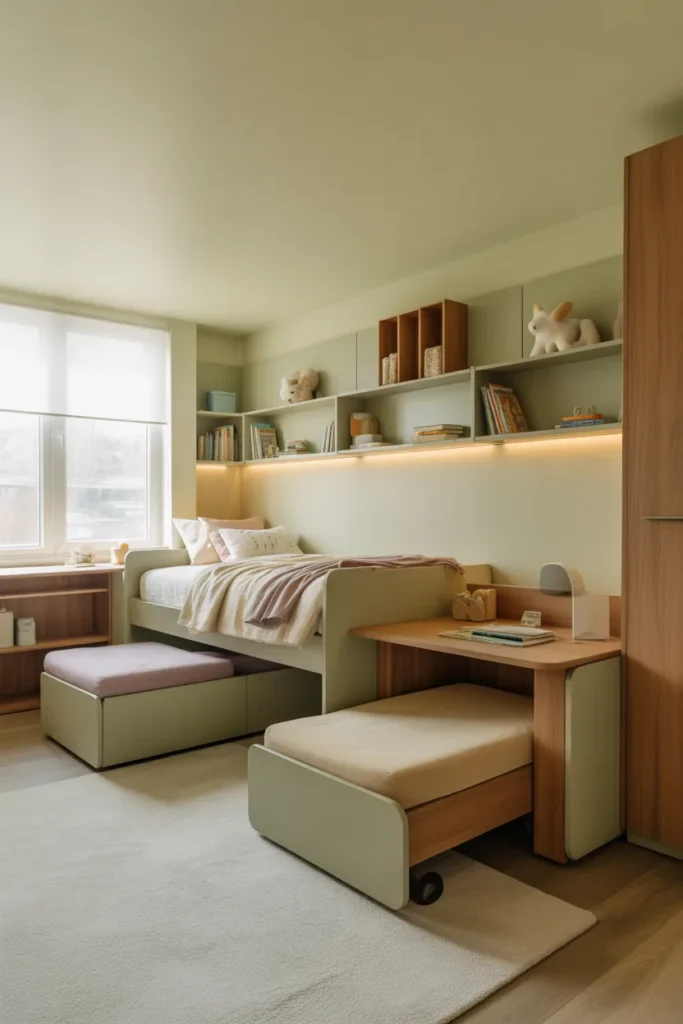
Foster placements can change.
Furniture and layout that work for multiple ages help the room adapt easily. In 2026, flexible design is key in foster child bedroom setups.
The room supports change without disruption.
16. A Warm First Impression That Feels Welcoming
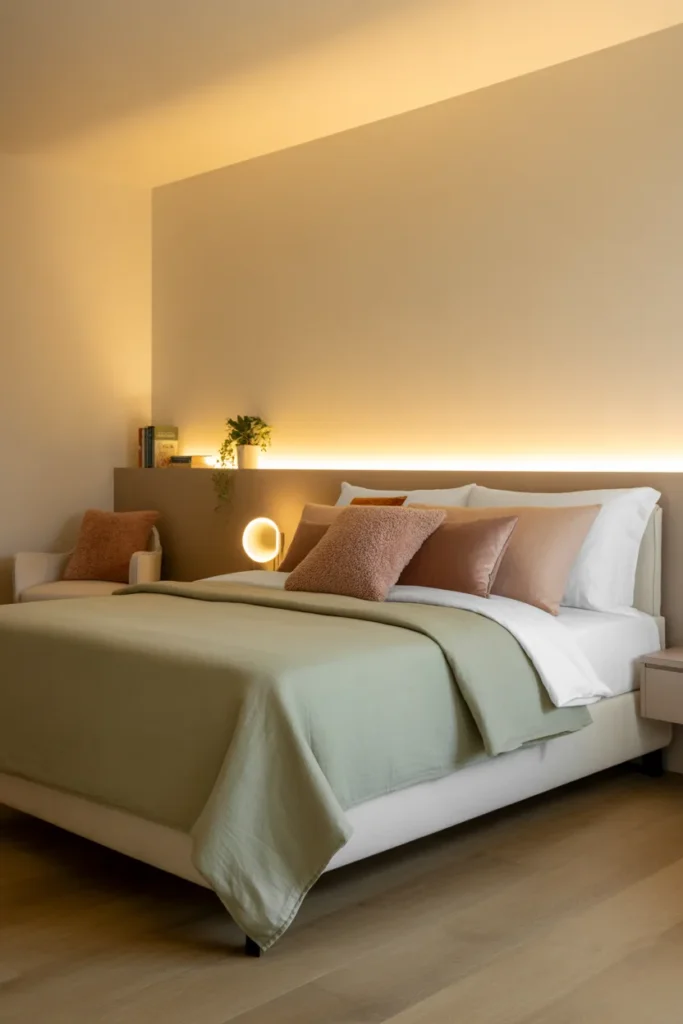
The first moment matters.
A neatly made bed, soft lighting, and a clean, calm space create a positive first impression. When a child enters the room, it should feel safe, respectful, and ready for them.
That feeling stays long after.
Final Thoughts
Inspiring ideas for a foster child bedroom setup are rooted in empathy, simplicity, and care. The most meaningful rooms are not the most decorated ones, but the ones that feel steady, gentle, and welcoming.
In 2026, foster child bedrooms focus on emotional comfort as much as physical needs. With calm colors, thoughtful storage, and flexible design, a bedroom can become a place where a child feels safe enough to rest, grow, and begin to feel at home again.