Home Lighting Guide: How to Create the Perfect Lighting Plan
Lighting is one of the most powerful tools in shaping a home. It can make a space feel warm, inviting, and functional or leave it dull and unwelcoming. After over twenty years of designing interiors, I have learned that creating the perfect lighting plan is not about choosing the most expensive fixtures but about understanding how light interacts with a room, the people who live in it, and the activities that happen there. This guide will walk you through everything you need to know to design a lighting plan that transforms your home.
1. Understanding the Three Layers of Lighting
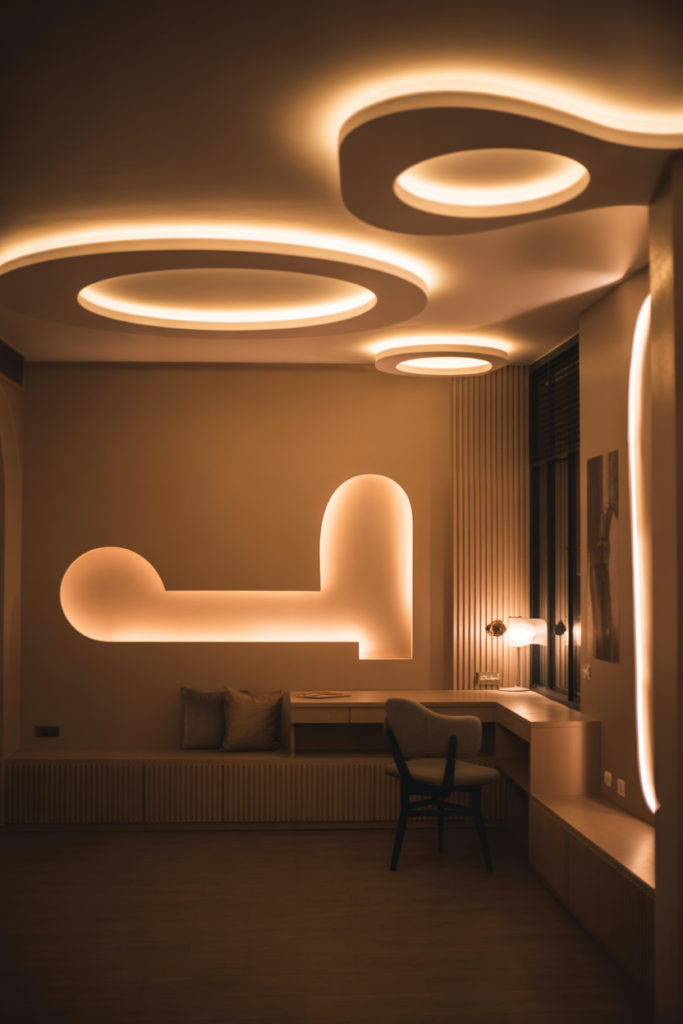
Lighting is most effective when it balances three layers. Ambient lighting creates the overall illumination in a room. It ensures that the space is functional and safe while setting a comfortable brightness level. Task lighting focuses on specific activities such as reading, cooking, or working. It gives clarity to areas where precision is needed. Accent lighting adds depth and interest by highlighting features like artwork, architectural elements, or decorative objects. Combining these layers thoughtfully ensures that a room is flexible, visually appealing, and perfectly lit for any occasion.
2. Considering Natural Light in Your Plan
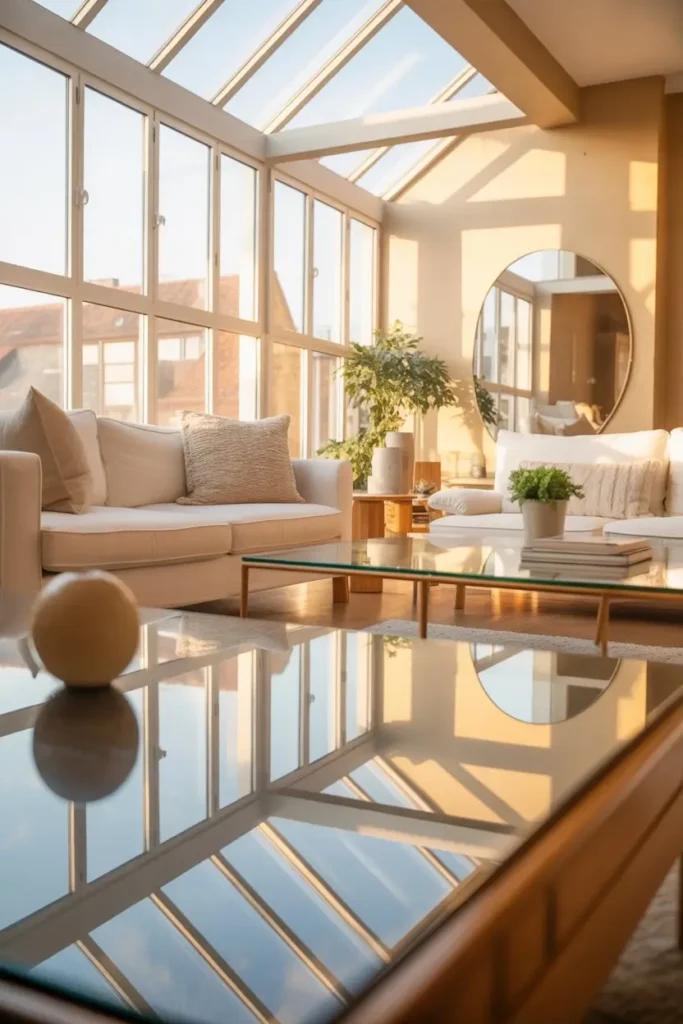
Natural light is often overlooked when creating a lighting plan, yet it is the foundation of good illumination. Observe how sunlight moves through your home at different times of the day and throughout the seasons. Large windows, skylights, or glass doors can bring in light that reduces the need for artificial fixtures during daytime. Reflective surfaces, light-colored walls, and strategically placed mirrors enhance natural light by bouncing it into darker corners. Integrating natural light thoughtfully not only saves energy but also improves mood and supports a healthy living environment.
3. Choosing the Right Color Temperature
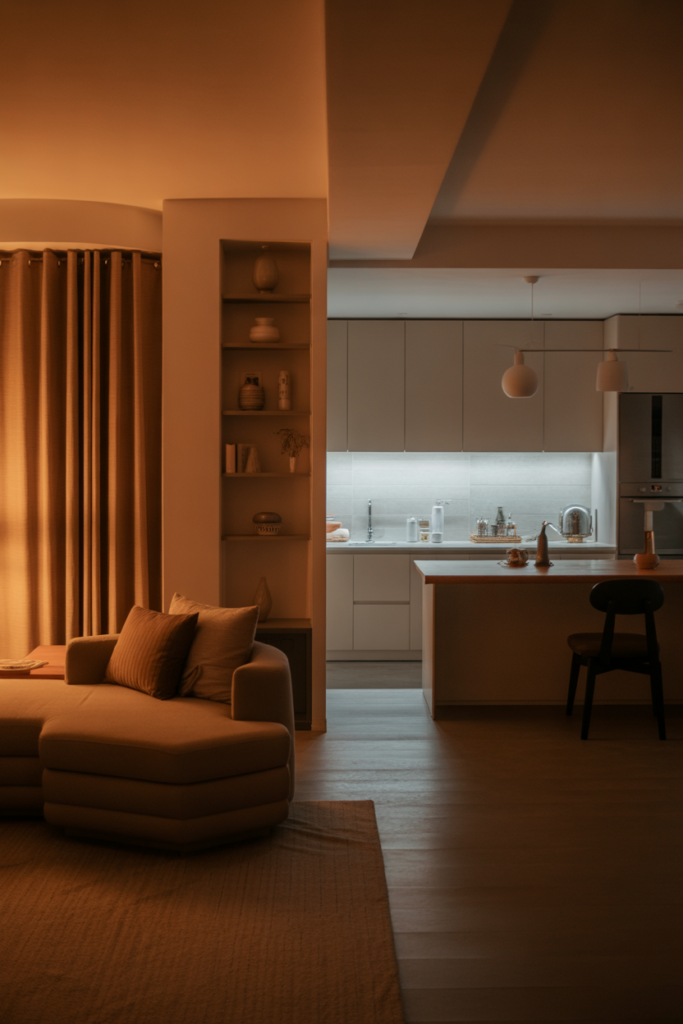
Color temperature determines the feel of a space. Warm light around 2700K to 3000K creates a cozy and relaxing atmosphere, ideal for bedrooms, living rooms, and dining areas. Cooler light, from 4000K to 5000K, feels bright and energizing, which works best for kitchens, bathrooms, and home offices. Consistency matters. Mixing lights with different temperatures in the same space can feel chaotic and disjointed. Select a color temperature that complements your home style and use dimmers where possible to adjust the mood.
4. Layering Light in Every Room
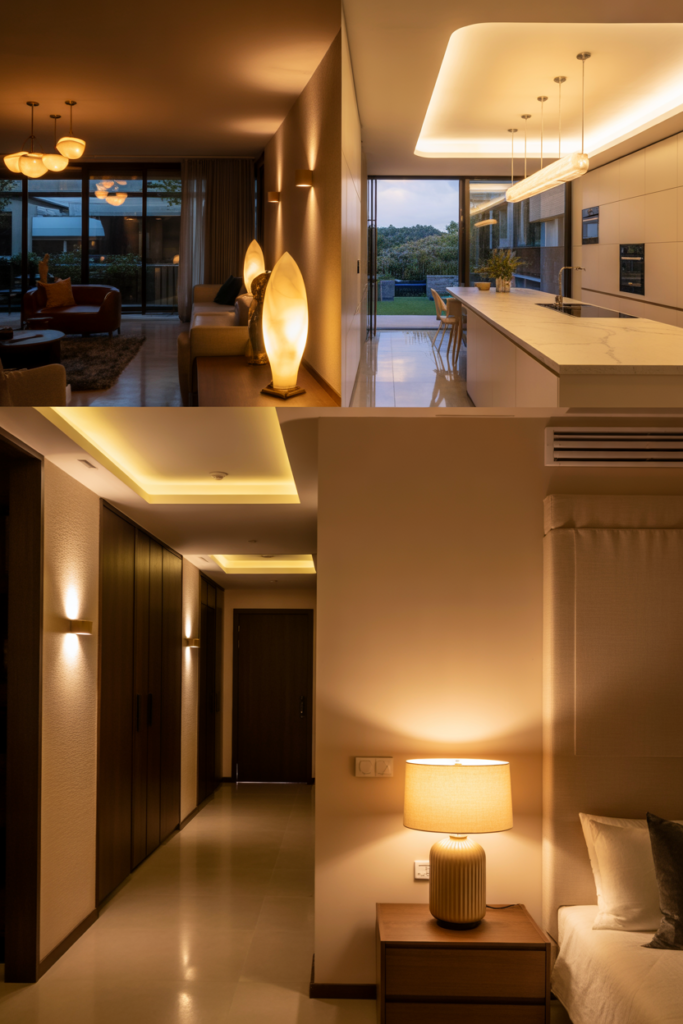
Every room has different needs, and layering light is the key to creating a balanced environment. In living rooms, a combination of ceiling lights, floor lamps, and wall sconces provides flexibility for relaxing, entertaining, or reading. Kitchens need strong task lighting over countertops and islands, with ambient lighting to keep the entire space bright and welcoming. Bedrooms benefit from soft overhead lights paired with bedside lamps for reading. Even hallways and entryways deserve careful layering to make them functional and visually inviting. Layering ensures that each activity is supported while the space retains a warm and cohesive look.
5. Selecting Fixtures That Match Your Space
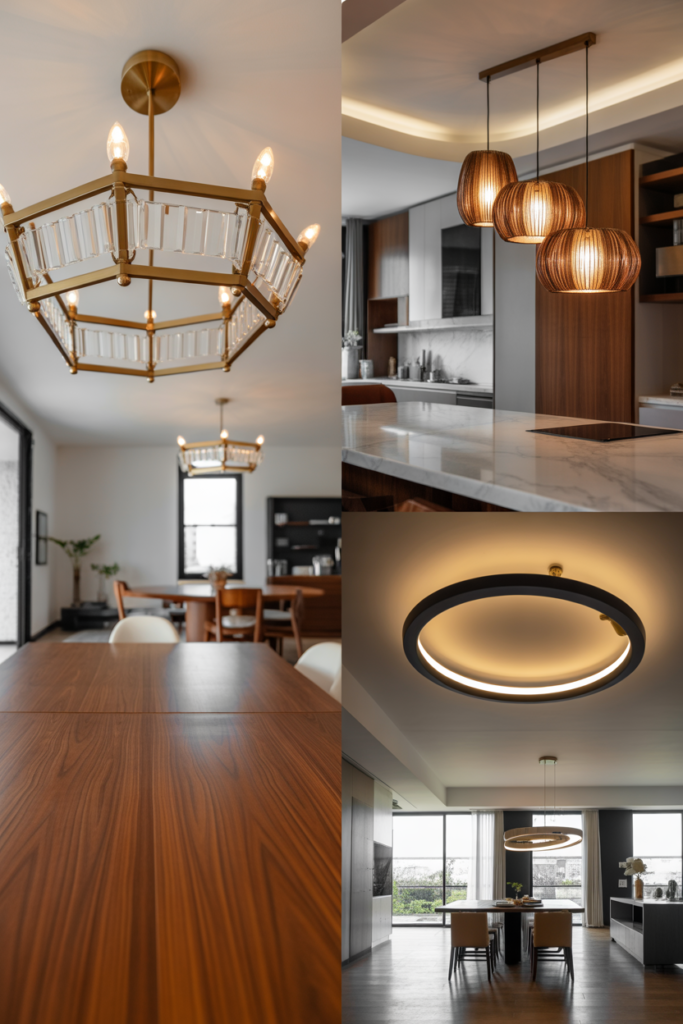
The design of light fixtures impacts both style and function. Chandeliers, pendants, and flush mounts bring character while illuminating spaces effectively. Choose fixtures that fit the scale of your room. A large dining chandelier can overwhelm a small room, while a tiny ceiling light may feel lost in a spacious living room. Materials, finishes, and shapes should complement the room’s decor. Metallic finishes create a modern feel, while natural textures like wood or fabric add warmth and softness. The right fixture enhances your home and reinforces your design vision.
6. Using Dimmer Controls for Flexibility
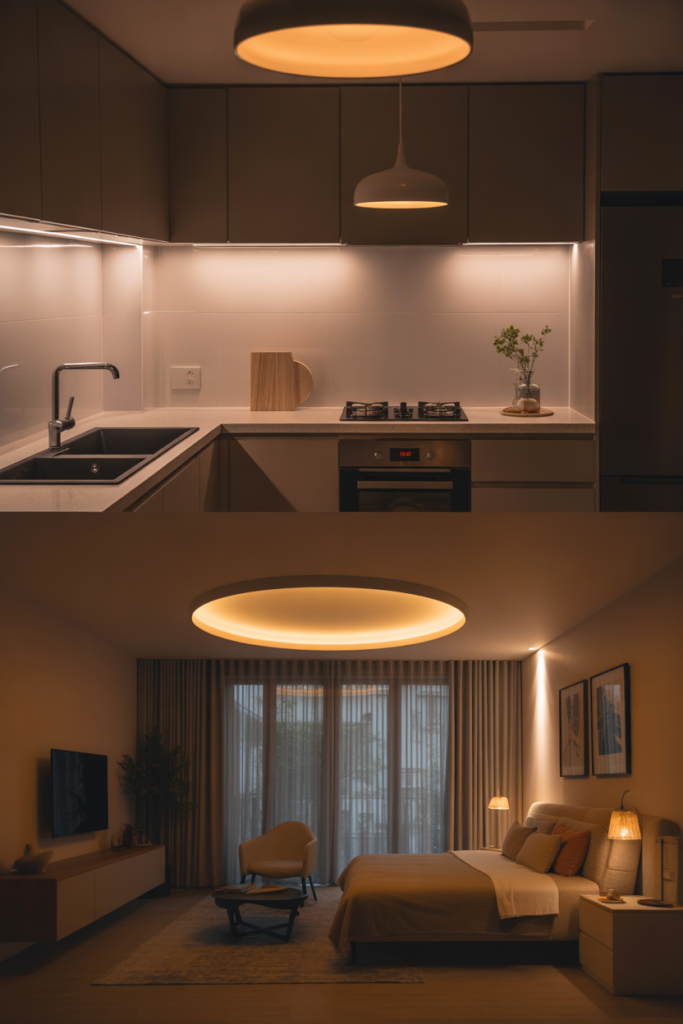
Dimmer switches give you the power to control light intensity and set the mood. A bright kitchen may need high illumination for cooking, but a dimmed setting makes it cozy for evening gatherings. In bedrooms and living rooms, dimmers provide a smooth transition from functional lighting to relaxing ambiance. Installing dimmers is a small adjustment that dramatically increases the versatility of your lighting plan. It allows you to adapt the environment for different activities without changing fixtures.
7. Enhancing Atmosphere with Accent Lighting
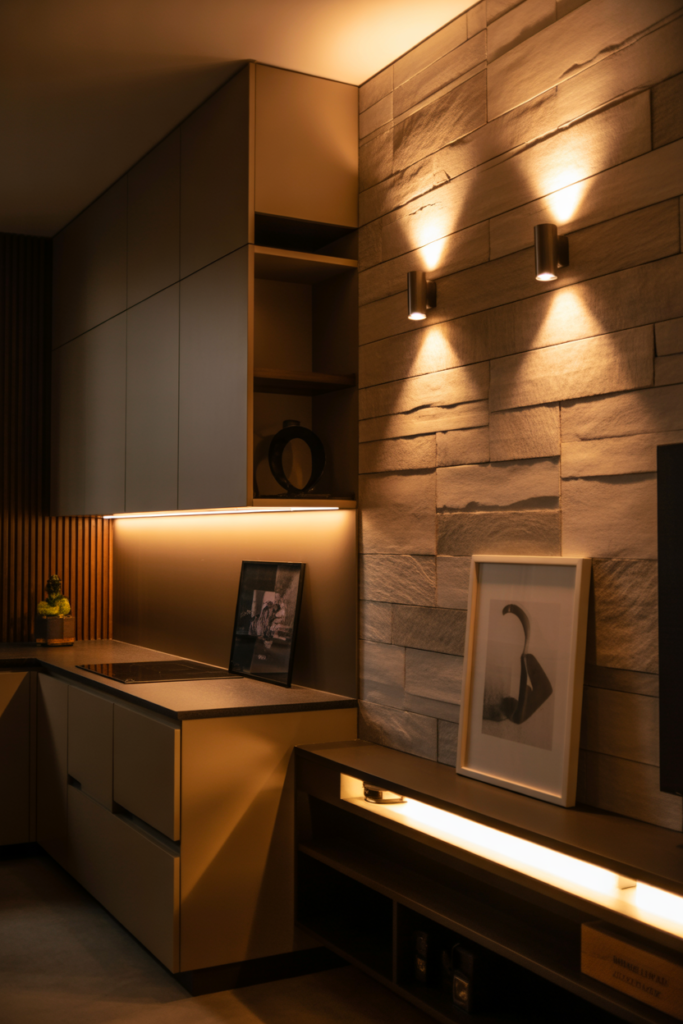
Accent lighting is essential for adding depth and drama. Highlighting artwork, shelves, or textured walls draws attention to architectural details. LED strip lighting under cabinets or behind furniture adds subtle glow without overpowering the room. Spotlights, picture lights, or small wall fixtures focus on features that deserve attention. Accent lighting transforms ordinary spaces into visually dynamic areas, making every corner of your home feel intentional and thoughtfully designed.
8. Prioritizing Energy Efficiency
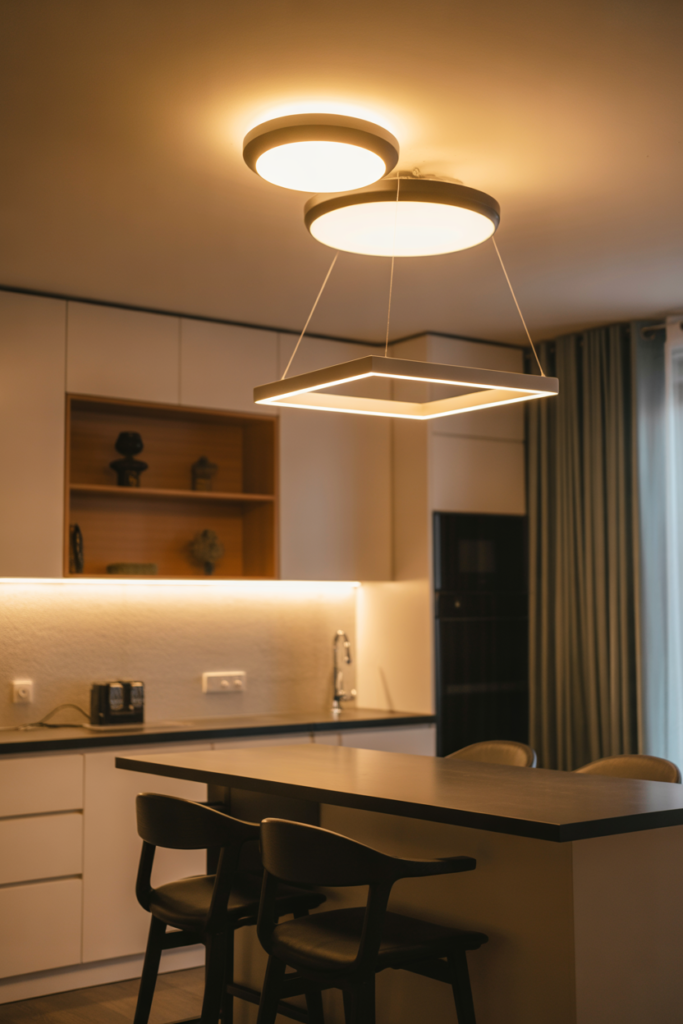
Modern lighting solutions can be beautiful and energy efficient. LED bulbs consume significantly less electricity than traditional incandescent bulbs while lasting longer. They produce less heat and come in a range of color temperatures to suit every room. Smart lighting systems allow you to schedule, dim, or change colors, reducing energy usage without sacrificing comfort. Choosing energy-efficient options benefits the environment and lowers household costs while maintaining a stylish and functional home.
9. Planning for Safety and Functionality
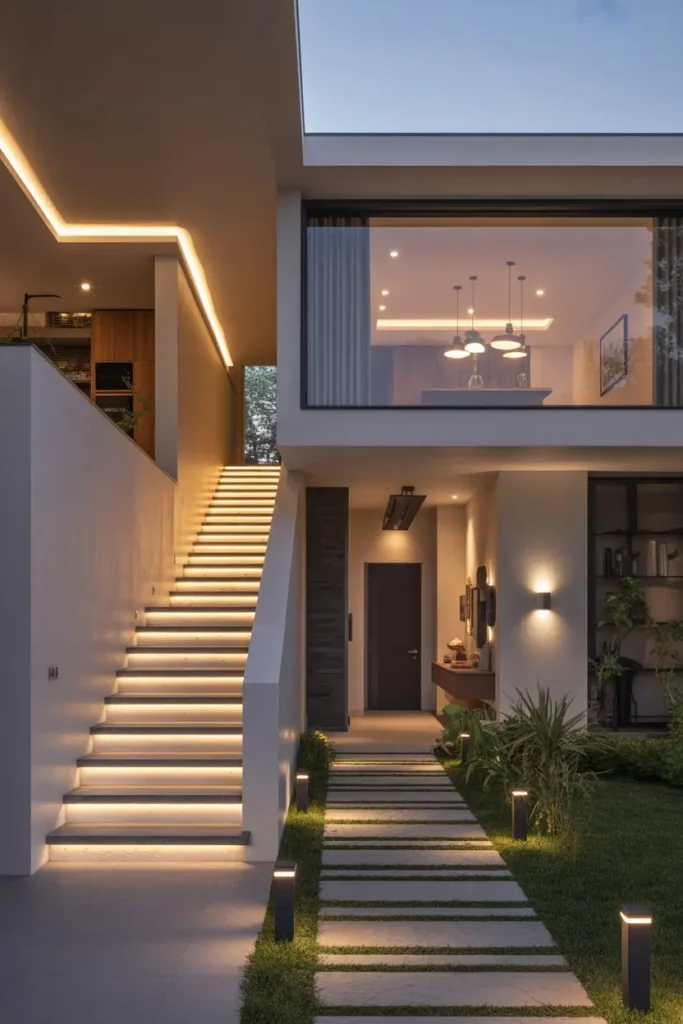
Lighting is not just about aesthetics. Proper illumination reduces accidents and improves functionality. Hallways, staircases, and entrances require adequate light to prevent trips and falls. Kitchens and bathrooms need bright, clear light for tasks that demand precision. Outdoor lighting enhances safety while highlighting pathways and entryways. A well-planned lighting scheme ensures every part of your home is safe to navigate while remaining visually appealing.
10. Integrating Smart Home Lighting
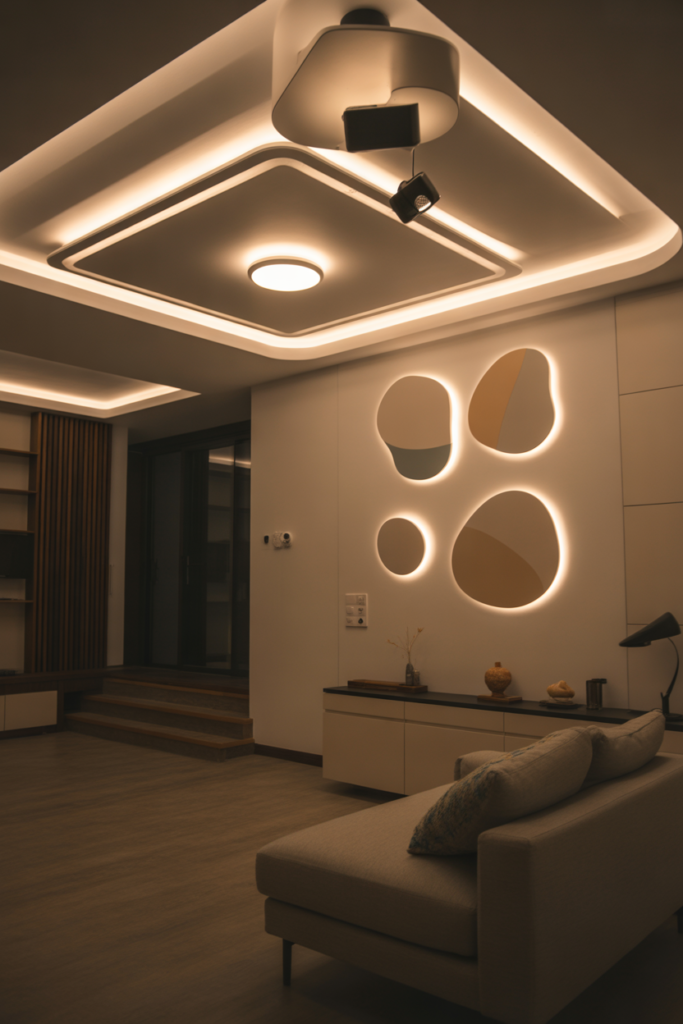
Smart home technology has transformed the way we experience light. Automated systems allow you to control brightness, color, and timing from your phone or voice commands. Motion sensors, timers, and schedules enhance convenience and security. Smart lighting can simulate natural patterns, adjusting intensity throughout the day for health and comfort. By integrating technology, you gain total control over the lighting environment and can adapt it effortlessly for work, relaxation, or entertainment.
11. Highlighting Architectural Features
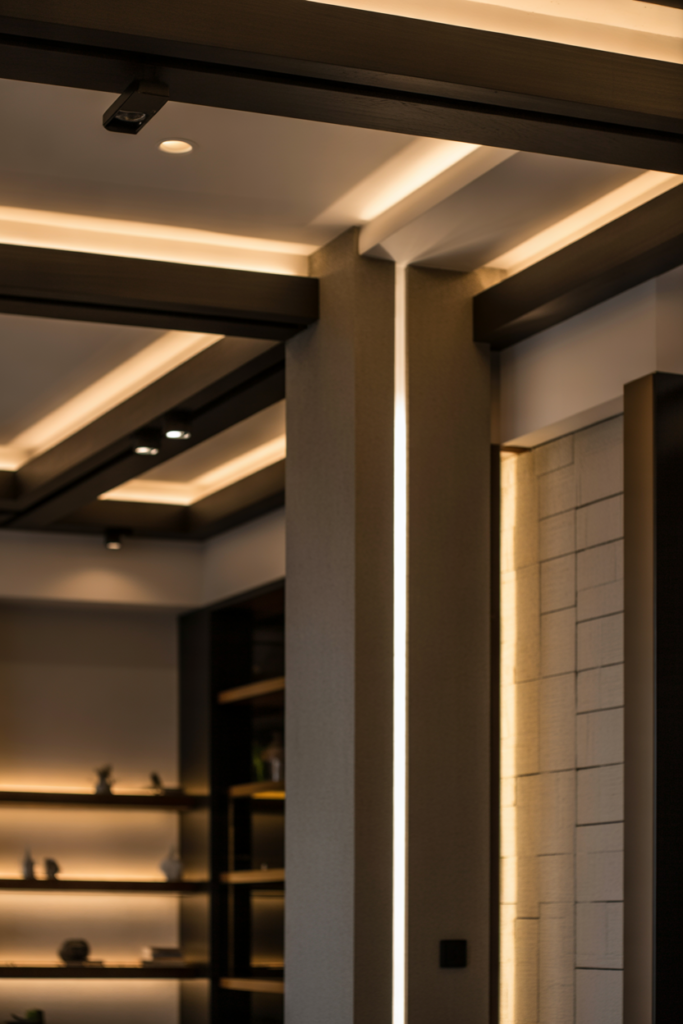
Every home has unique elements that deserve attention. Beams, columns, textured walls, and built-in shelves can be highlighted with strategic lighting. Recessed fixtures or spotlights draw focus without cluttering the space. Highlighting architecture adds depth and creates a sense of craftsmanship. It also elevates the perception of space, making rooms feel larger, more structured, and refined.
12. Creating Zones in Open-Plan Spaces
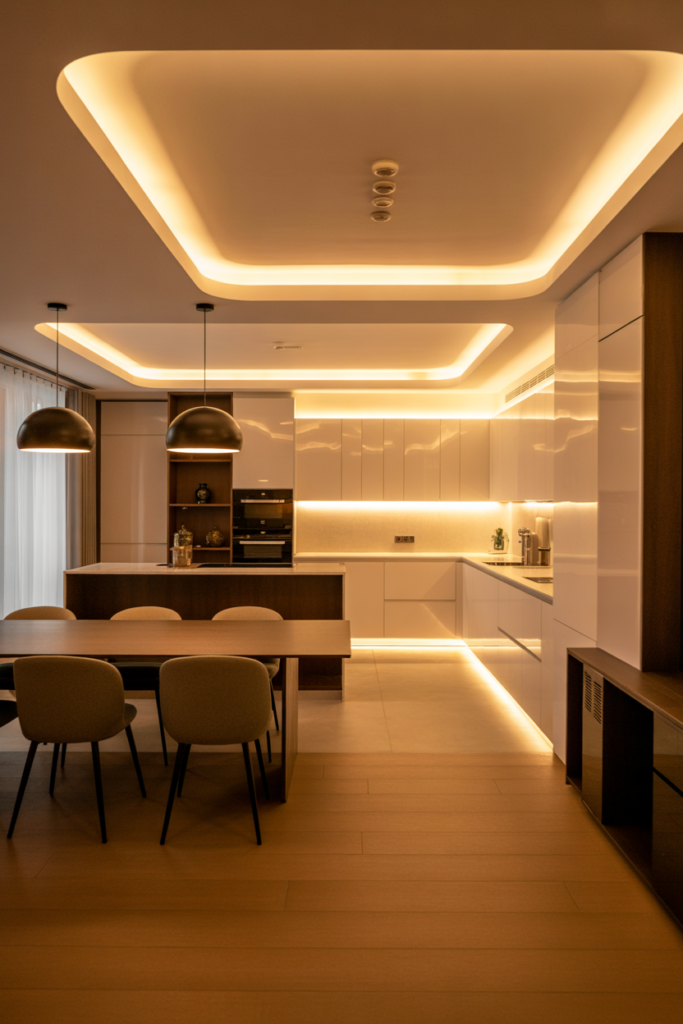
Open-plan layouts require careful lighting to define different areas. Dining, living, and kitchen zones can be separated visually with lighting placement. Pendant lights over the dining table, layered lighting in the living area, and task lighting in the kitchen help create boundaries. This approach ensures each activity has its own atmosphere while keeping the open feel intact. Zoning with light brings order to a flexible space and enhances usability without walls or dividers.
13. Considering Wall and Ceiling Colors
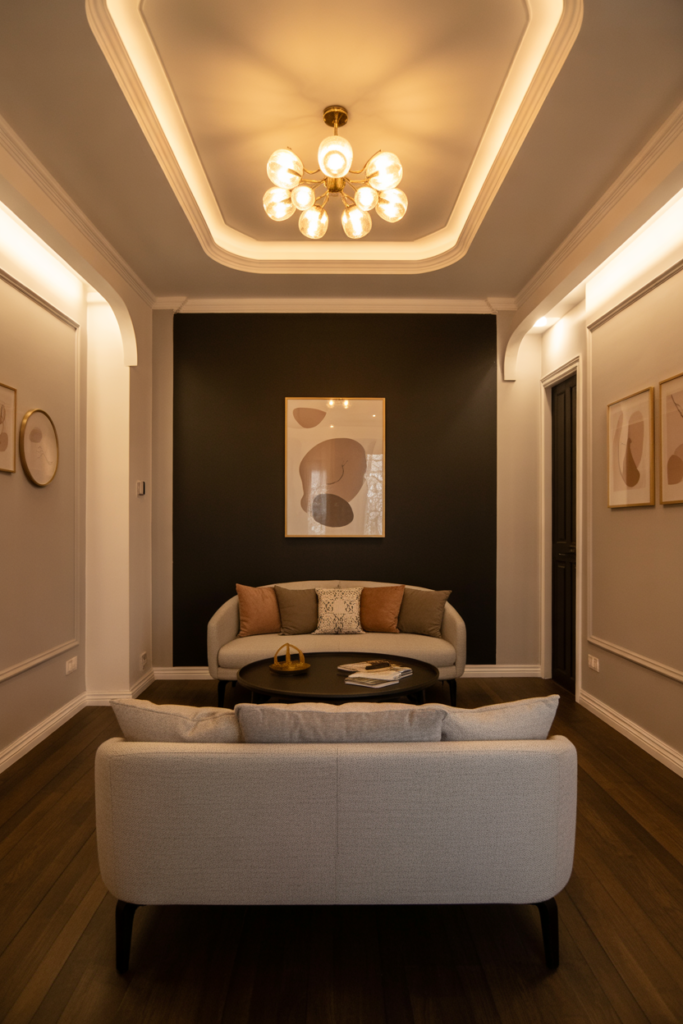
The colors and finishes in a room affect how light behaves. Light walls reflect illumination, making rooms feel brighter, while dark walls absorb light, creating intimacy but requiring additional fixtures. Ceiling height also influences how you distribute light. Low ceilings benefit from flush-mounted or recessed fixtures, while high ceilings allow for dramatic chandeliers or pendant lights. Understanding these interactions allows you to select lighting that complements the room rather than fights it.
14. Outdoor and Landscape Lighting
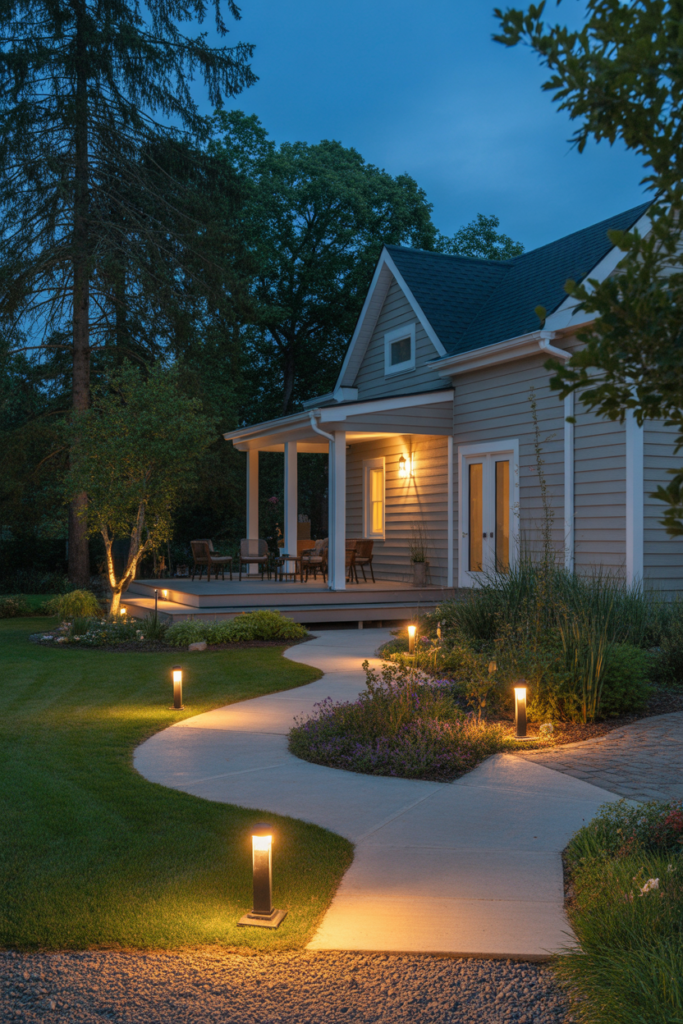
The exterior of a home deserves as much attention as the interior. Well-placed outdoor lighting increases curb appeal and safety. Pathway lights guide visitors safely, while spotlights can accentuate trees, gardens, or water features. Porch and deck lighting extends the use of outdoor spaces into the evening. Outdoor lighting should balance functionality with aesthetics to create a welcoming and secure environment.
15. Adjusting for Seasonal Changes
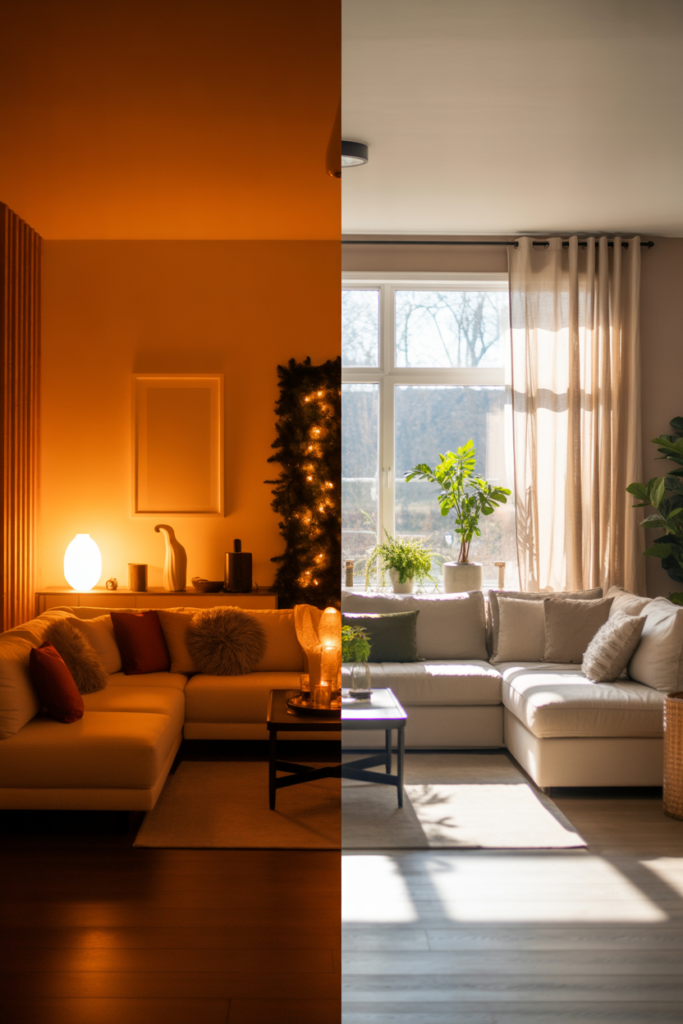
Light changes throughout the year, and your home lighting should adapt. Shorter winter days may require brighter artificial lighting, while long summer days benefit from natural illumination. Seasonal decor and furniture placement can affect how light is absorbed or reflected. Planning for seasonal adjustments ensures your home remains inviting and functional year-round, without constant fixture changes.
16. Choosing Bulbs for Longevity and Quality
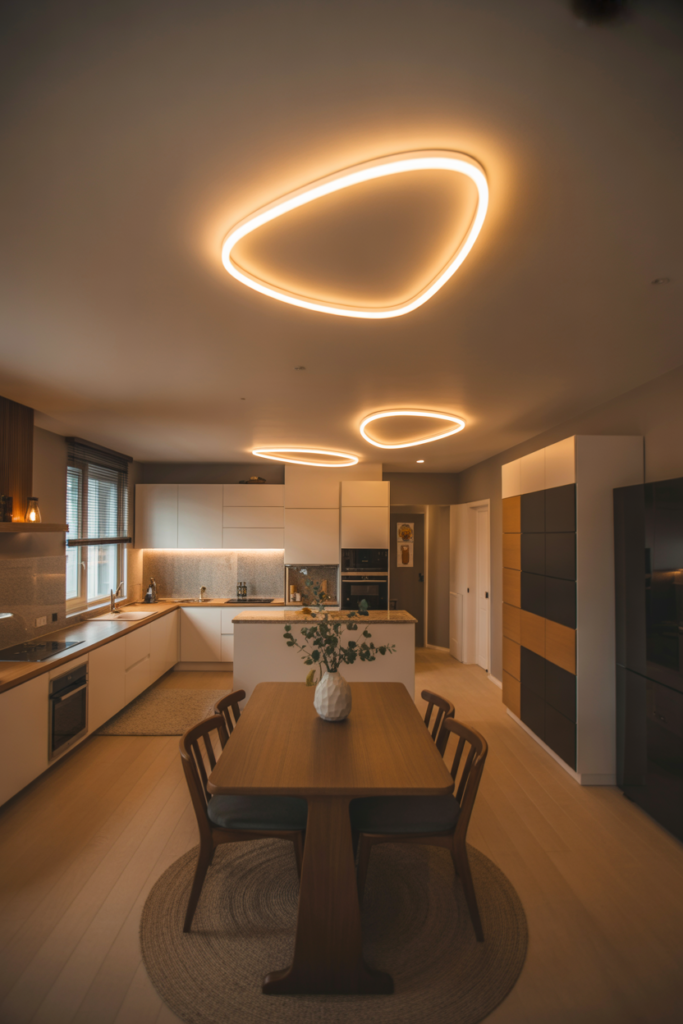
The type of bulb affects both quality and maintenance. LED bulbs are long-lasting, while halogen and CFLs have shorter lifespans. Look for bulbs with consistent color rendering to avoid harsh or unnatural tones. Investing in high-quality bulbs may cost more upfront but reduces replacement frequency and ensures your lighting looks consistent over time. Good bulbs enhance the effectiveness of your lighting plan and maintain the beauty of your home.
FAQ
What is the most important aspect of a home lighting plan? The most important aspect is balancing function and ambiance through layered lighting, combining ambient, task, and accent lights effectively
How can I make a small room feel brighter? Use light-colored walls, mirrors, and ample ambient lighting combined with well-placed task lights to open up the space visually
What color temperature is best for living rooms? Warm light between 2700K and 3000K creates a cozy, inviting atmosphere suitable for living areas
Can smart lighting really improve home comfort? Yes, smart lighting provides control over intensity, color, and timing, allowing spaces to adapt to daily routines and moods
Do I need professional help for lighting design? While DIY planning is possible, consulting a professional ensures optimal placement, fixture selection, and electrical safety
Final Thought
A well-designed lighting plan transforms a house into a home. It enhances comfort, functionality, and style while reflecting your personal taste. By understanding the layers of light, choosing fixtures thoughtfully, incorporating natural light, and planning for future needs, you create spaces that feel intentional, welcoming, and perfectly balanced. Lighting is more than illumination; it is the invisible architect that shapes every room and every moment you spend within it.