How to Make Your Home Look More Expensive (On a Budget)
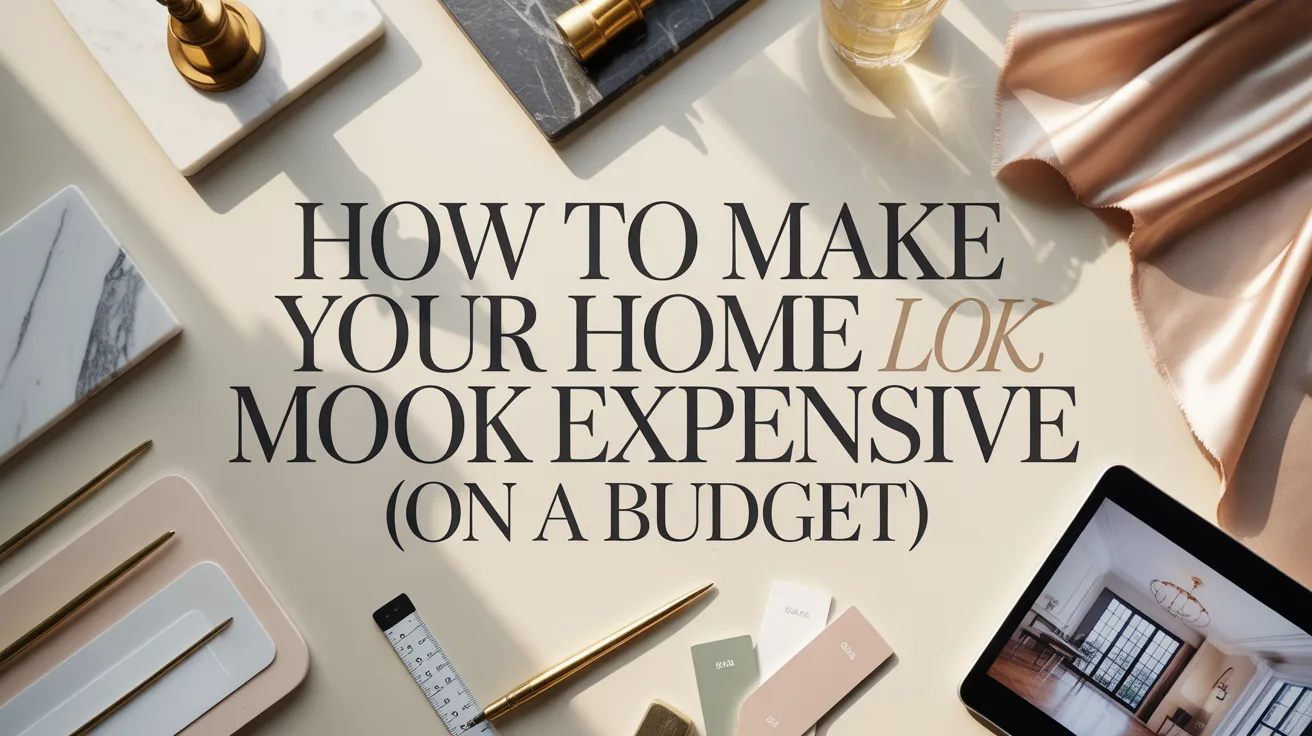
Making your home look expensive is not about spending more money. It is about making smarter choices. Some of the most beautiful homes do not have the biggest budgets. They have balance, calm colors, and thoughtful details that work together.
In 2026, expensive-looking homes are not loud or overdecorated. They feel quiet, intentional, and comfortable. The good news is that you can create this feeling without luxury furniture or designer brands. With the right styling moves, even a simple home can feel polished, elevated, and high-end.
This guide shares practical, budget-friendly ways to make your home look more expensive, explained in a simple and realistic way so you can apply them room by room.
1. Stick to One Calm Color Story
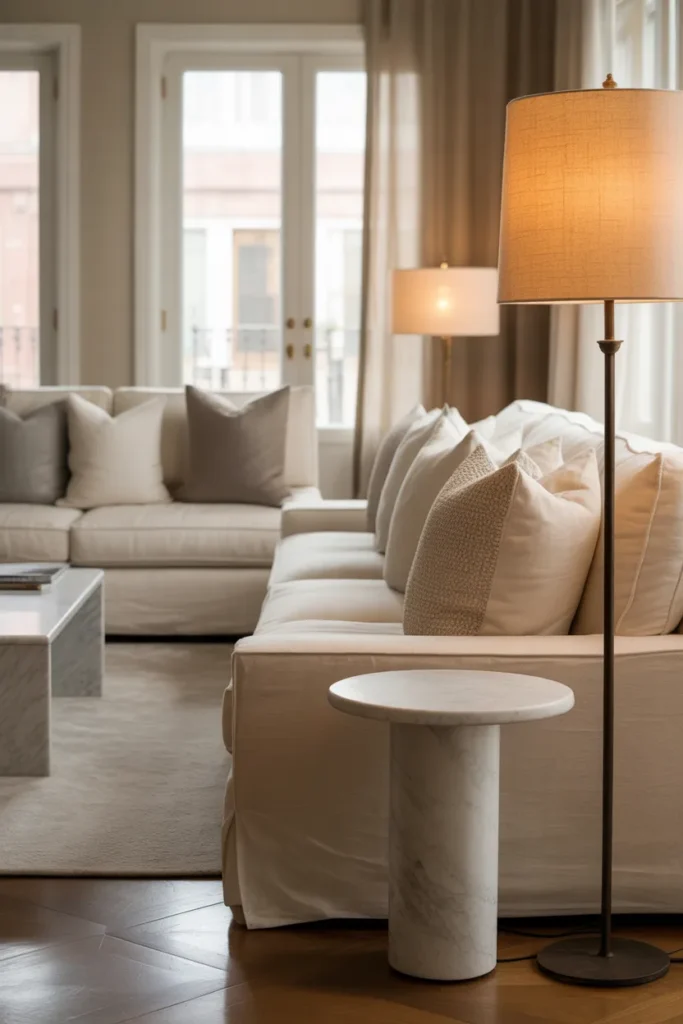
Homes that look expensive usually follow one calm color story.
Too many colors can make a space feel busy and cheap. In 2026, high-end homes often use soft neutrals like warm white, beige, greige, or muted gray. This does not mean your home has to be boring. It means the colors flow gently from room to room, making the space feel intentional and well-designed.
When everything works together, your home instantly feels more polished.
2. Upgrade Your Lighting, Not Your Furniture
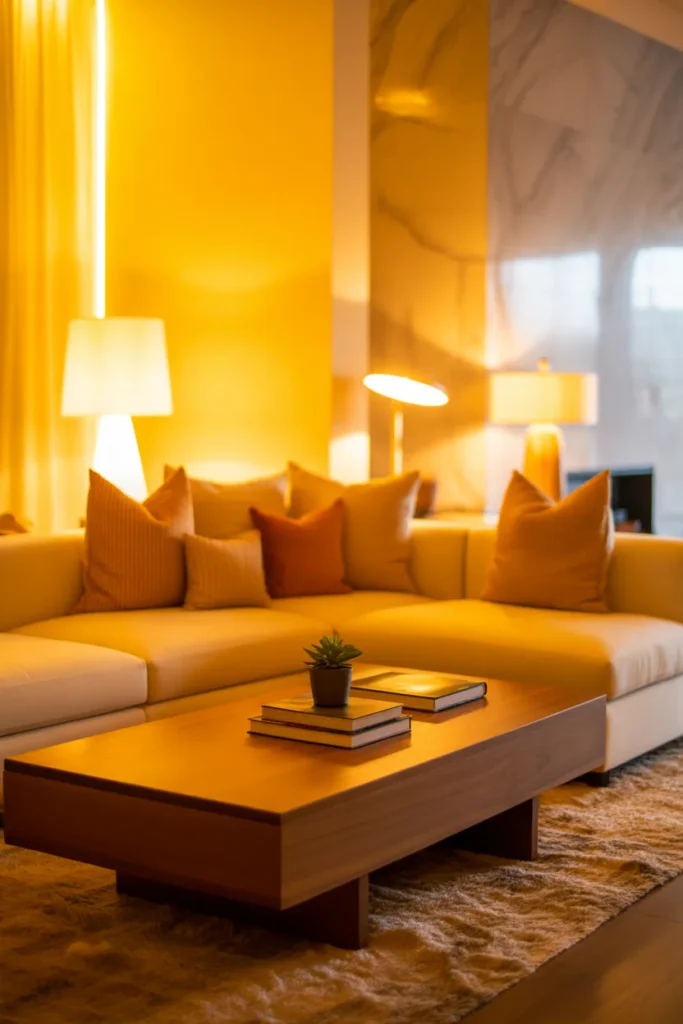
Lighting changes everything.
Even basic furniture can look expensive under the right light. Warm lighting makes rooms feel cozy and rich, while harsh white lighting can make a home feel cold and unfinished. Switching to warm bulbs is one of the cheapest upgrades with the biggest impact.
In 2026, layered lighting makes homes feel high-end. When light fills corners instead of just the ceiling, the room feels deeper and more luxurious.
3. Declutter Until the Room Can Breathe
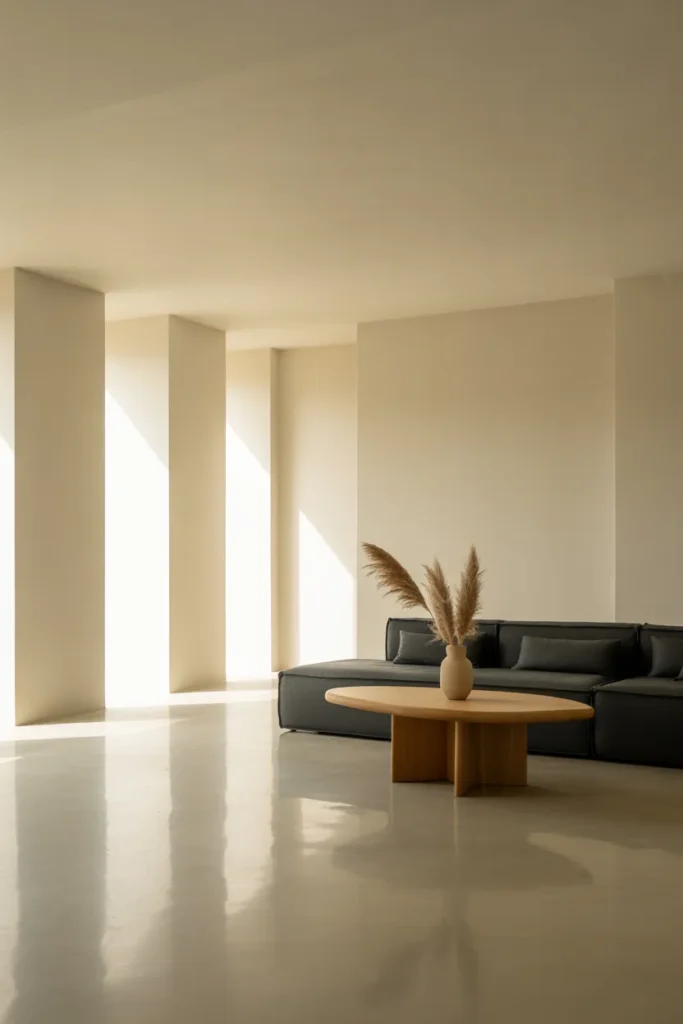
Expensive homes are never crowded.
Clutter makes even beautiful items look messy. When you remove extra decor, the pieces you keep stand out more. This creates a clean, calm feeling that instantly reads as expensive.
Open surfaces, clear walkways, and balanced spacing make a home feel intentional instead of rushed.
4. Use Curtains to Add Height and Drama
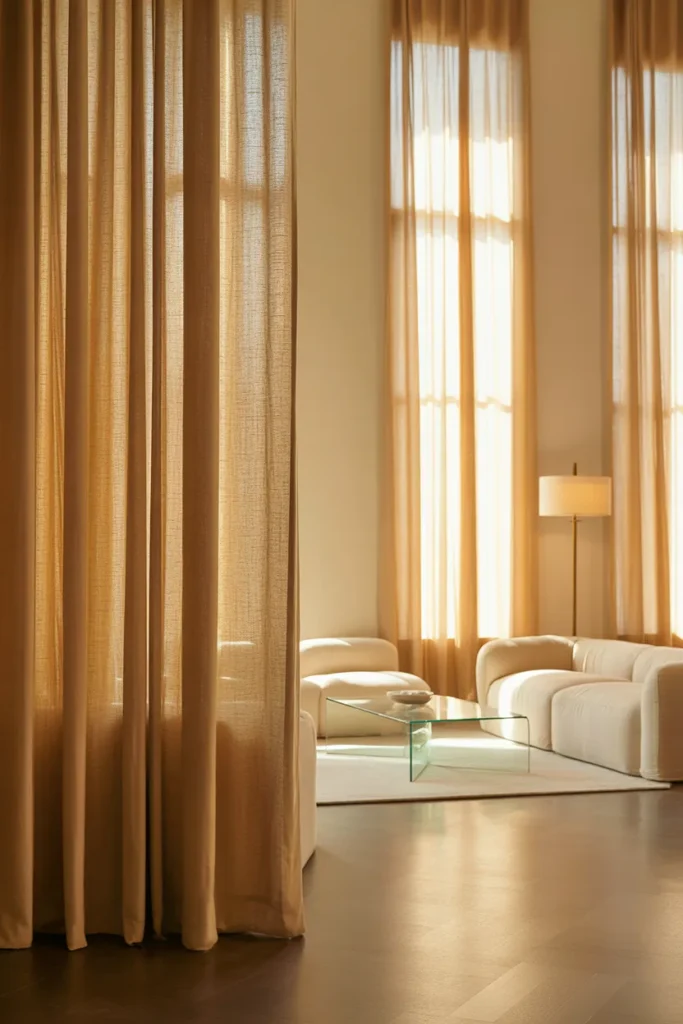
Curtains are a secret weapon for making a home look expensive.
Hanging curtains close to the ceiling makes walls feel taller and rooms feel larger. Floor-length curtains add softness and elegance, even if they are budget-friendly.
In 2026, simple curtain panels in neutral colors create a hotel-like feeling without high cost.
5. Choose Fewer Decor Pieces, But Bigger Ones
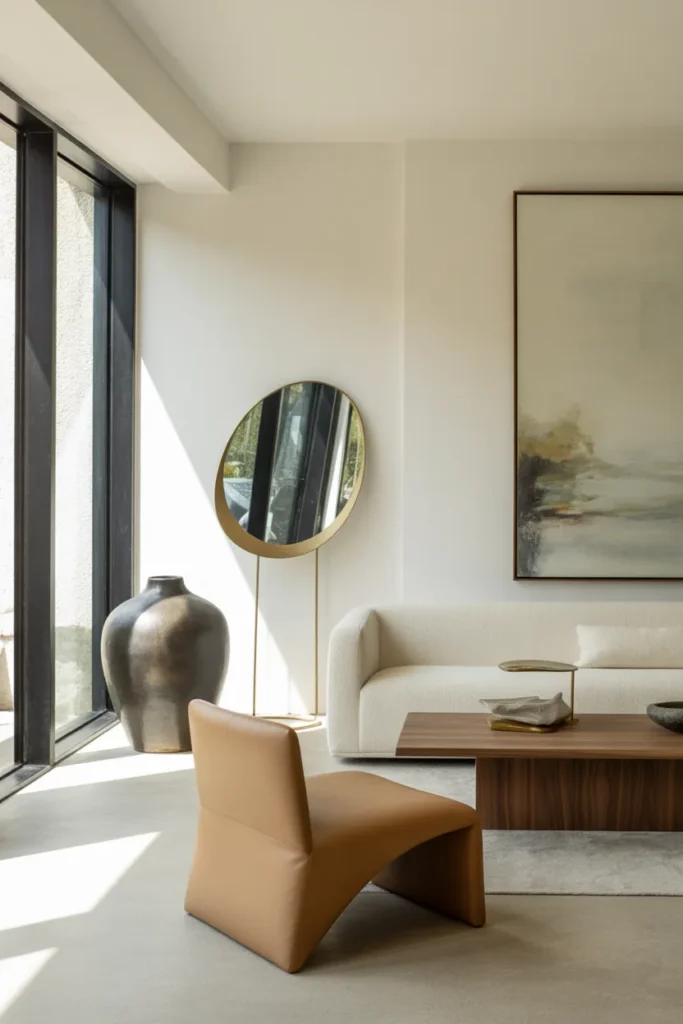
Small decor scattered everywhere can cheapen a space.
Larger statement pieces feel more intentional. A single oversized vase, artwork, or mirror makes a stronger impact than many tiny accessories. This approach helps the room feel styled instead of cluttered.
Expensive homes focus on presence, not quantity.
6. Add Texture Instead of More Color
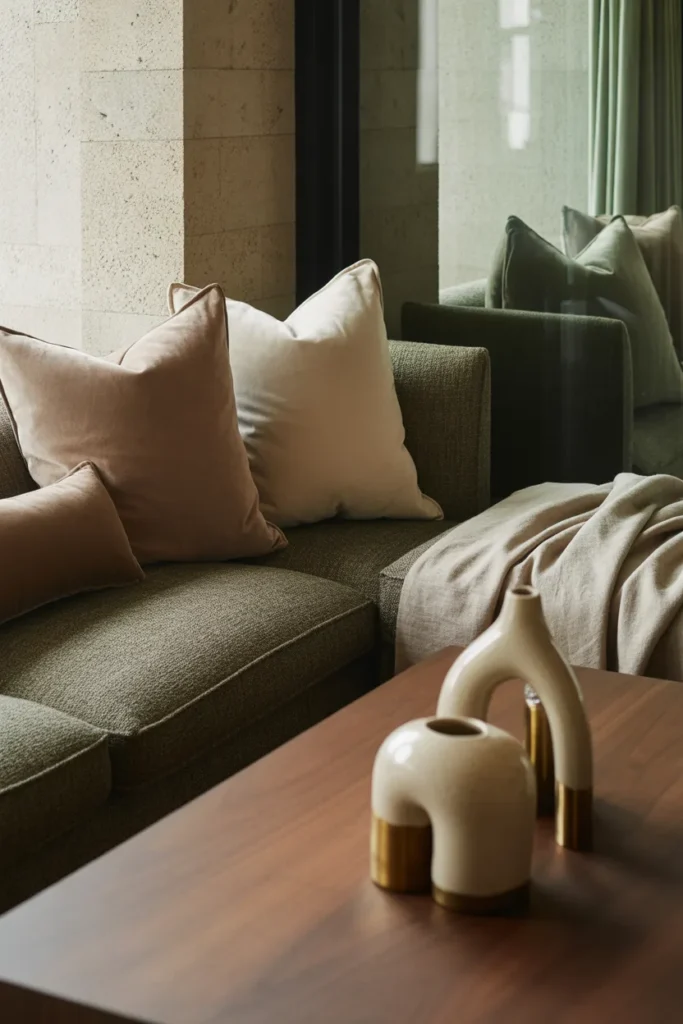
Texture makes a home feel rich.
Mixing materials like wood, linen, ceramic, glass, and metal adds depth without adding noise. In 2026, texture is more important than bold color.
Even simple spaces feel expensive when soft fabrics, natural finishes, and layered materials are used thoughtfully.
7. Make Your Sofa Look Styled, Not Bare
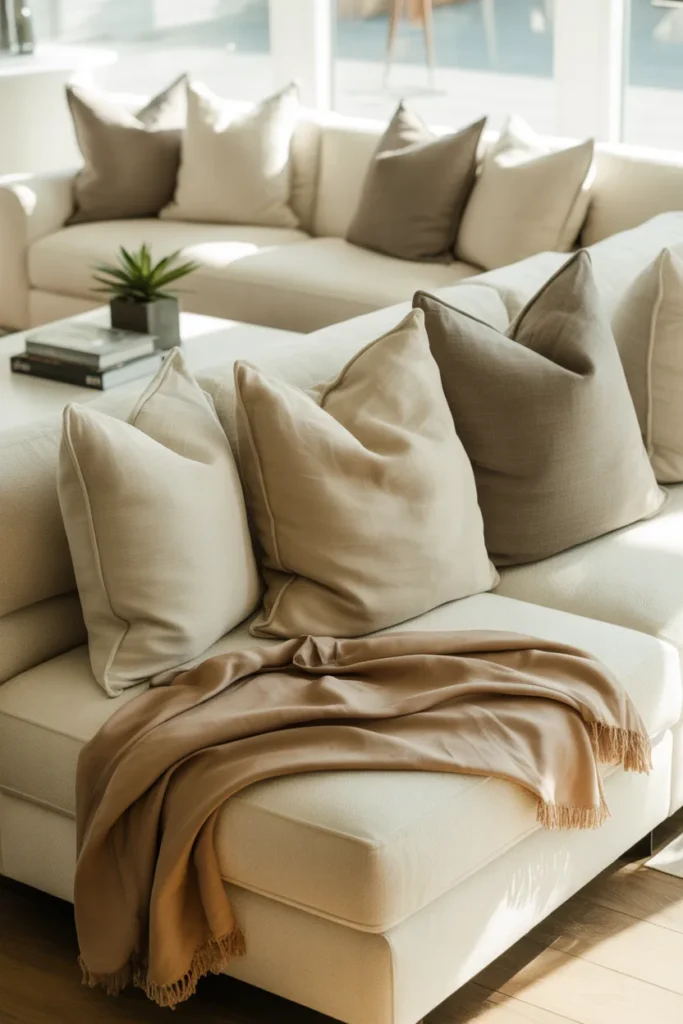
A bare sofa can make a living room feel unfinished.
Well-placed pillows and a throw can instantly elevate the look. The key is restraint. Choose pillows that match your color story and vary the texture slightly.
Expensive homes do not overdo it. They keep things soft, balanced, and comfortable.
8. Replace Small Hardware for a Big Upgrade
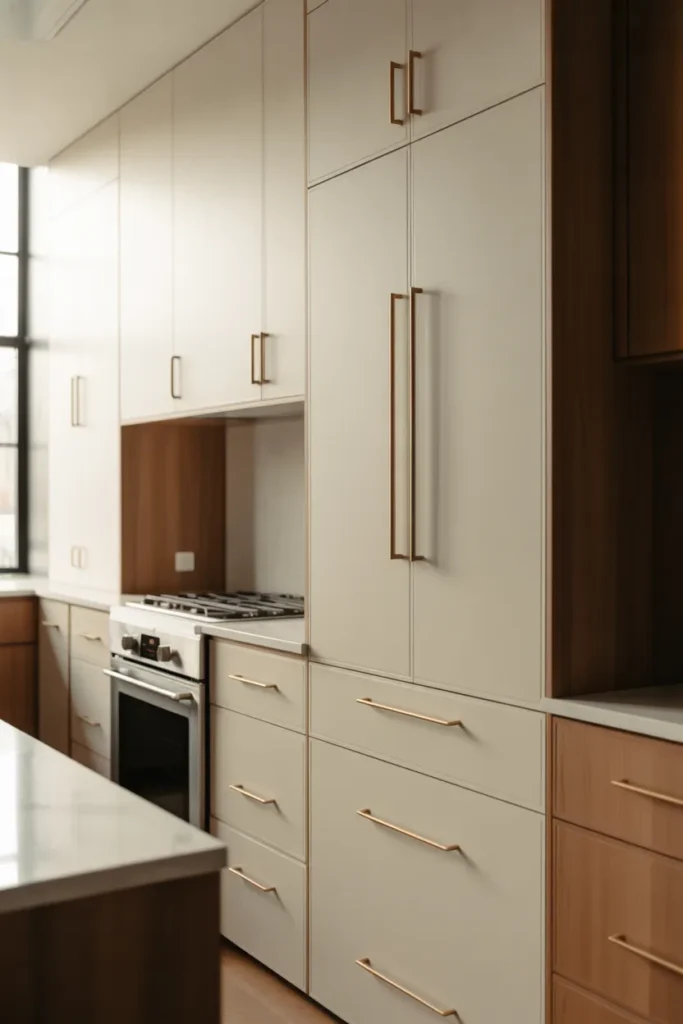
Hardware is a tiny detail that makes a huge difference.
Cabinet handles, drawer pulls, and door knobs are often overlooked. Swapping them for simple, modern designs can make kitchens and bathrooms feel brand new.
In 2026, matte black, brushed brass, and soft bronze finishes make spaces feel custom and upscale.
9. Use Mirrors to Multiply Light
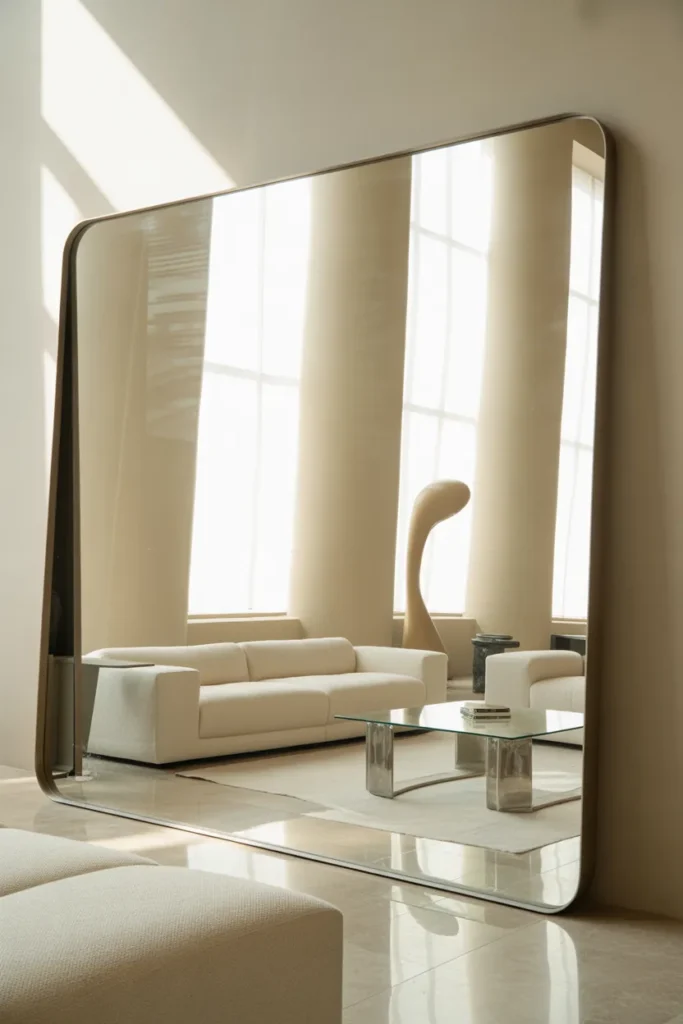
Mirrors add instant elegance.
They reflect light, open up the room, and make spaces feel brighter and larger. A well-placed mirror can make a small or dark room feel airy and expensive.
Simple frames work best. The goal is quiet luxury, not decoration overload.
10. Style Surfaces Like a Designer Would
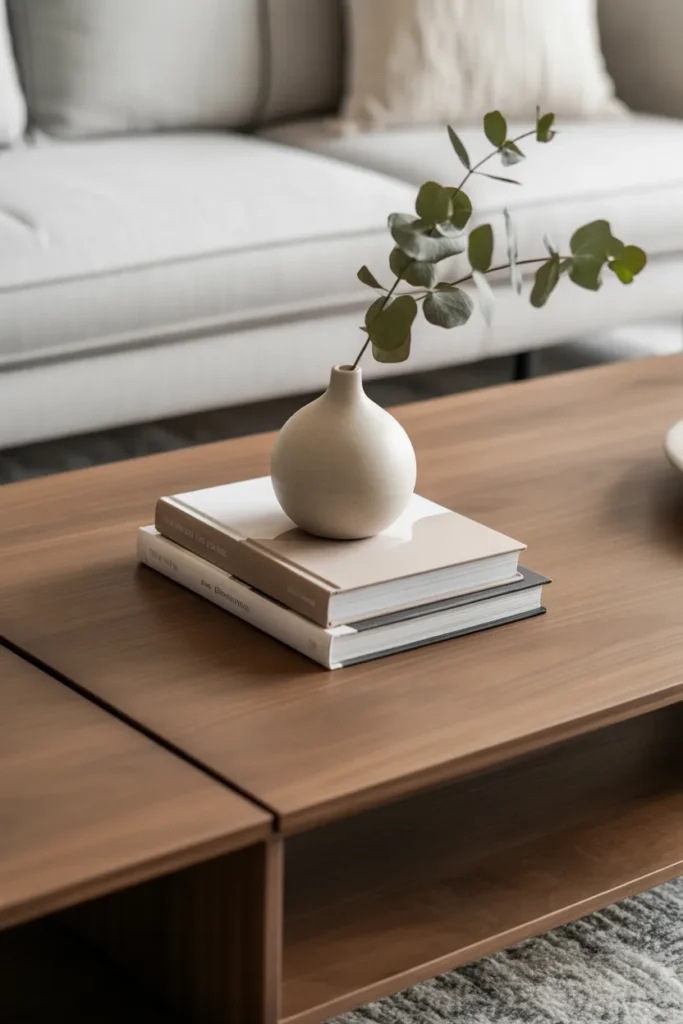
Coffee tables, consoles, and shelves should look styled, not stuffed.
Grouping items in odd numbers and leaving space around them helps the eye rest. A small stack of books, a simple object, and a natural element like greenery creates balance.
Expensive homes always leave room for breathing space.
11. Add Greenery for a Lived-In Look
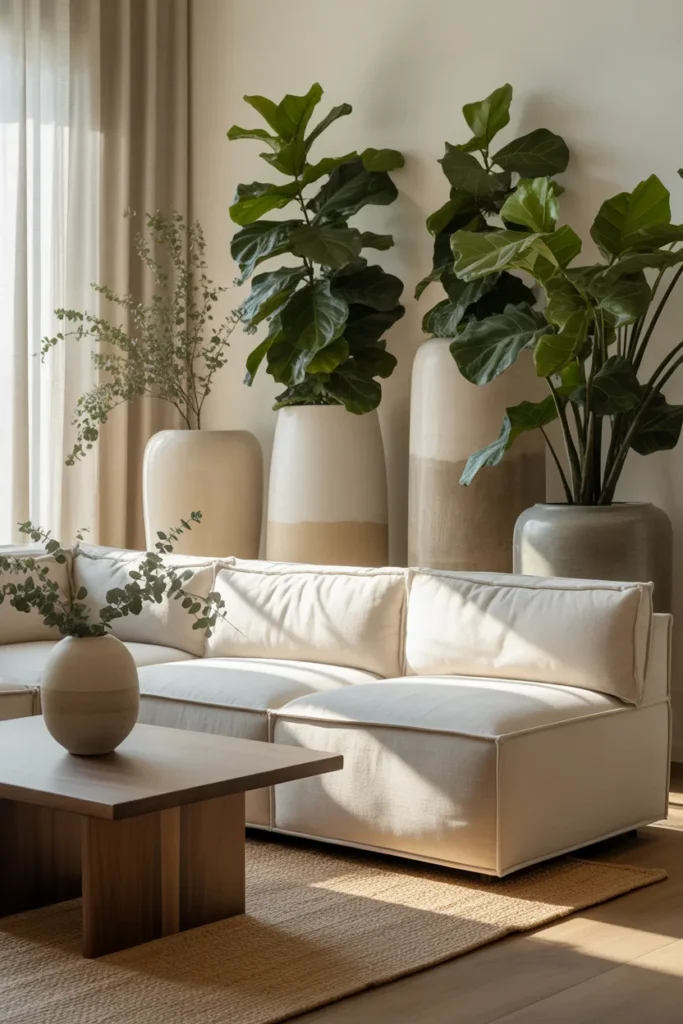
Plants make any home feel alive.
Even faux greenery can work if it looks realistic and is styled simply. In 2026, oversized plants and soft branches in neutral vases are popular in high-end homes.
Greenery softens the space and adds a sense of care and warmth.
12. Upgrade Bedding for a Hotel Feel
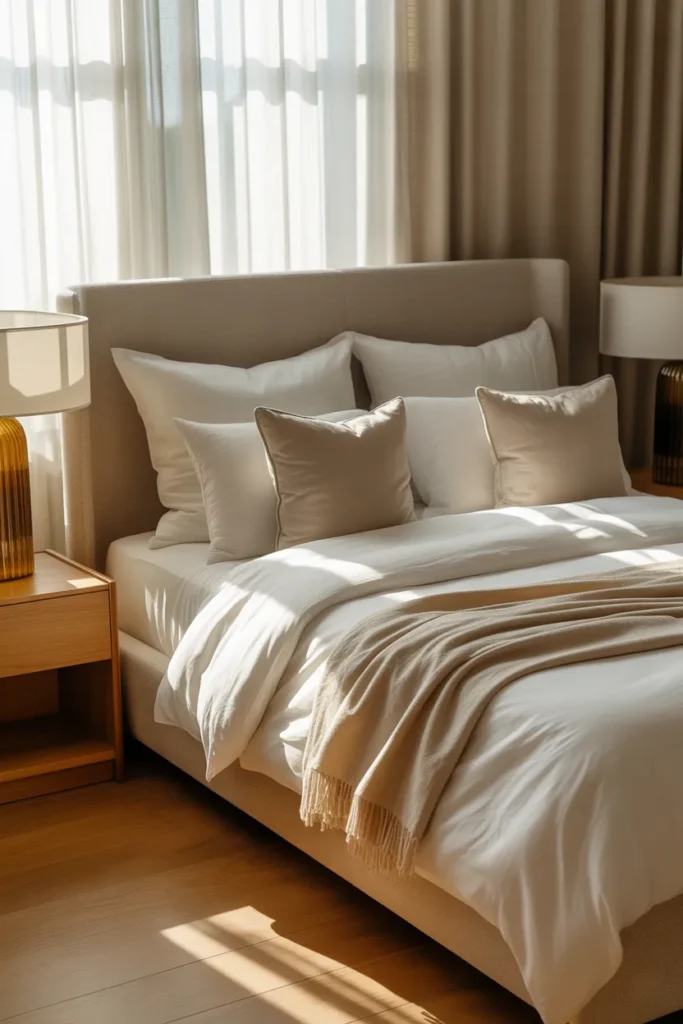
Bedrooms often look expensive because they feel calm.
Crisp bedding in soft neutral tones instantly elevates the room. You do not need luxury brands. Simple, clean layers and well-fitted sheets do the job.
When a bed looks inviting and tidy, the whole room feels more expensive.
13. Keep Floors Clear and Rugs Right-Sized
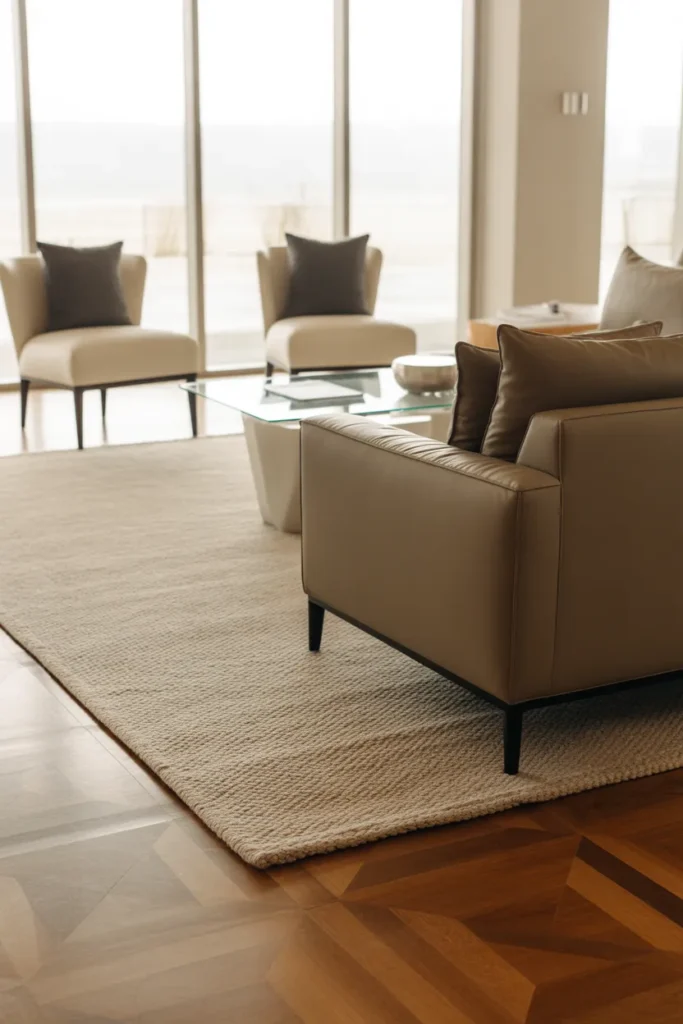
Visible floor space makes a home feel larger and more refined.
Rugs that are too small break up the room and make it feel awkward. In 2026, larger rugs that anchor furniture make rooms feel grounded and intentional.
A good rug placement can change the entire mood of a space.
14. Use Art That Feels Thoughtful, Not Random
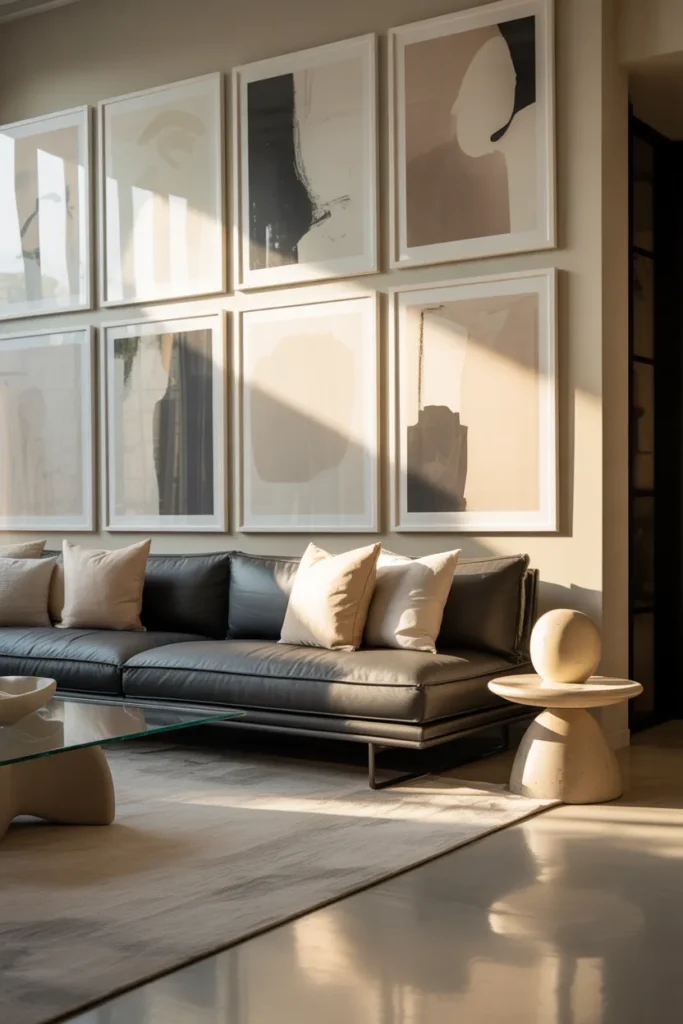
Art does not need to be expensive to feel high-end.
Simple prints, neutral tones, or abstract designs work well when framed cleanly. Oversized art or a balanced gallery arrangement looks more intentional than random frames scattered across the wall.
Art should support the room, not overwhelm it.
15. Repeat Materials Throughout the Home
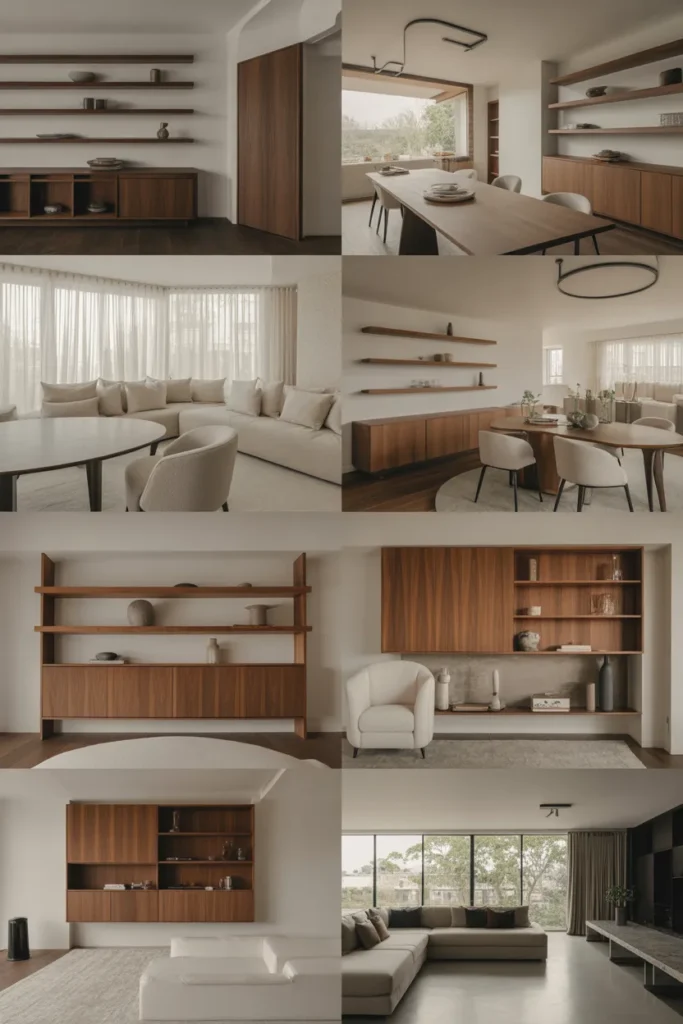
Repetition creates harmony.
When the same finishes or colors appear in different rooms, the home feels connected. Wood tones, metal finishes, or fabric textures repeated subtly make the space feel designed as a whole.
This is one of the strongest signs of an expensive-looking home.
16. Keep Entry Spaces Clean and Welcoming
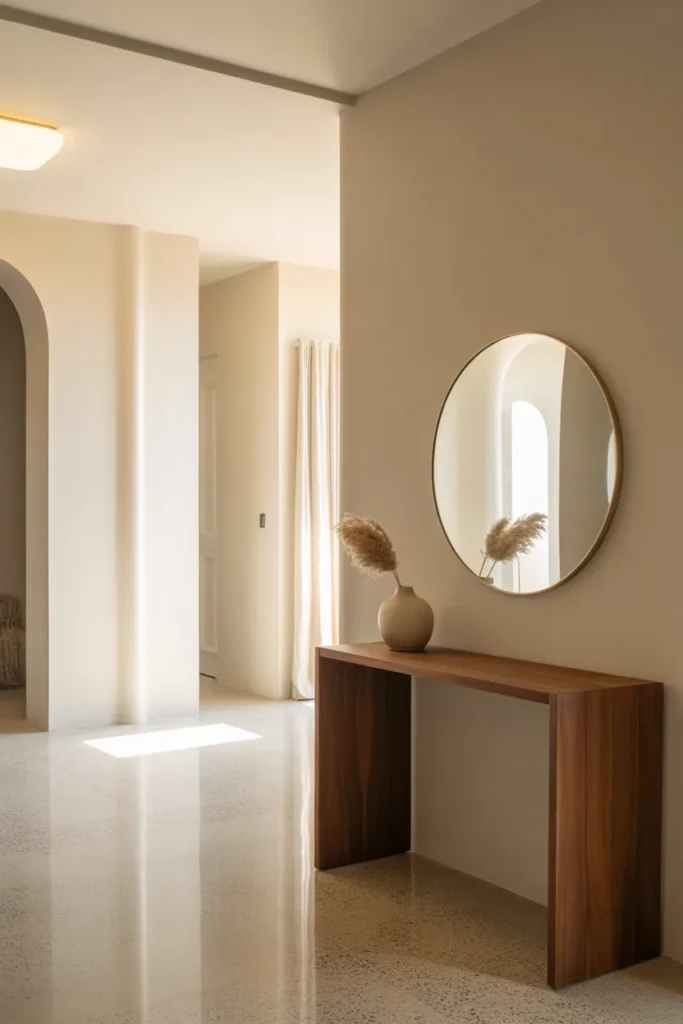
The first impression matters.
A clean entry with simple decor sets the tone for the entire home. A mirror, a small table, and soft lighting create a welcoming and elevated feel.
In 2026, entryways are calm, functional, and clutter-free.
Final Thoughts
Making your home look more expensive is about intention, not money. When you focus on light, space, texture, and calm design choices, your home naturally feels more polished.
Small changes add up. When each detail works together, your home tells a quiet story of care, balance, and comfort. That is what truly makes a home feel expensive, even on a budget.